People of Fort Duffield
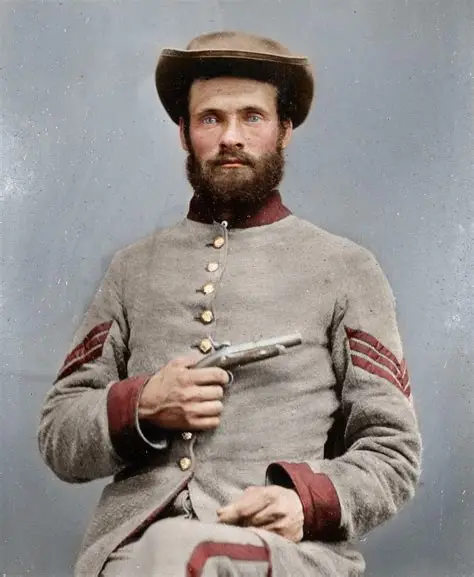
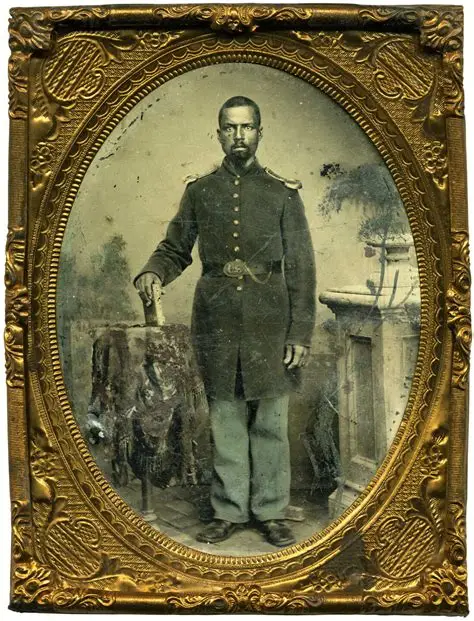
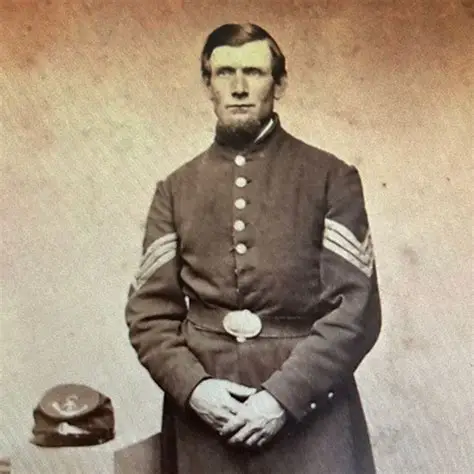
The story of Fort Duffield is told through the lives of the soldiers, officers, engineers, nurses,
chaplains, civilians, and leaders who shaped its brief but important role in the Civil War.
These are the faces connected to the hill above West Point, Kentucky.
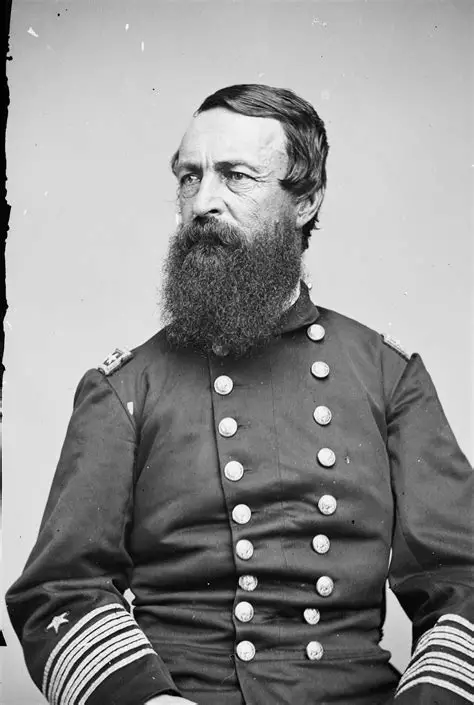
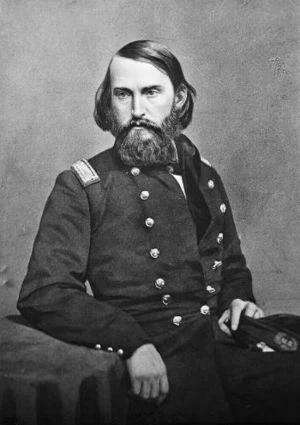
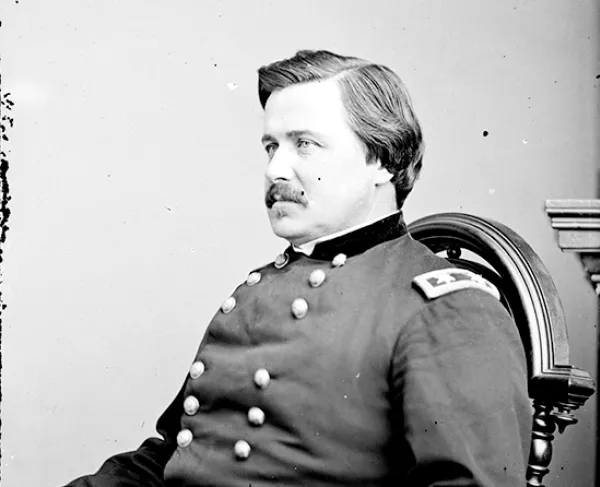
Commanders & Engineers
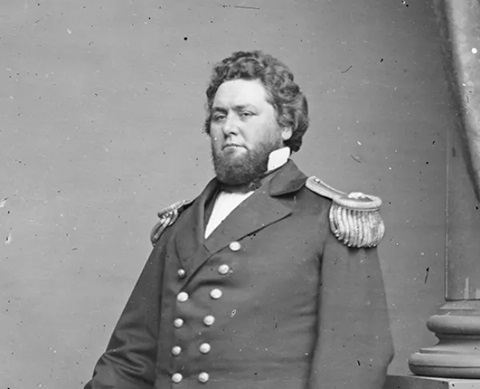
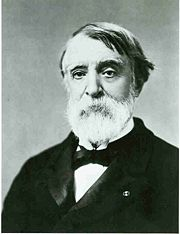
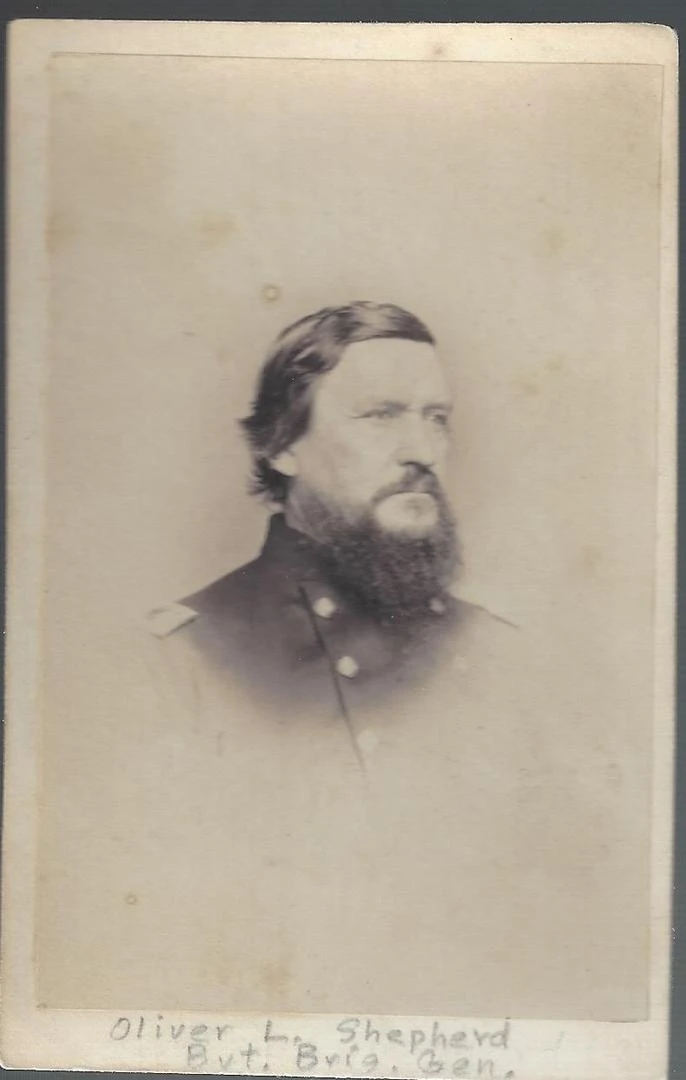
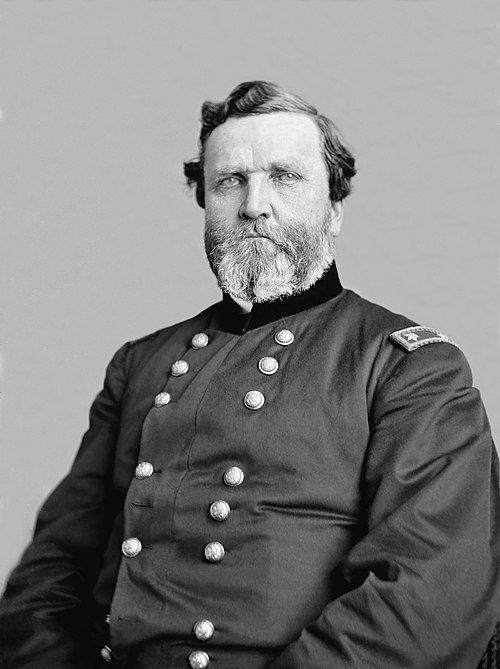
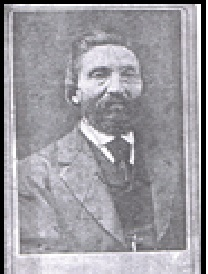
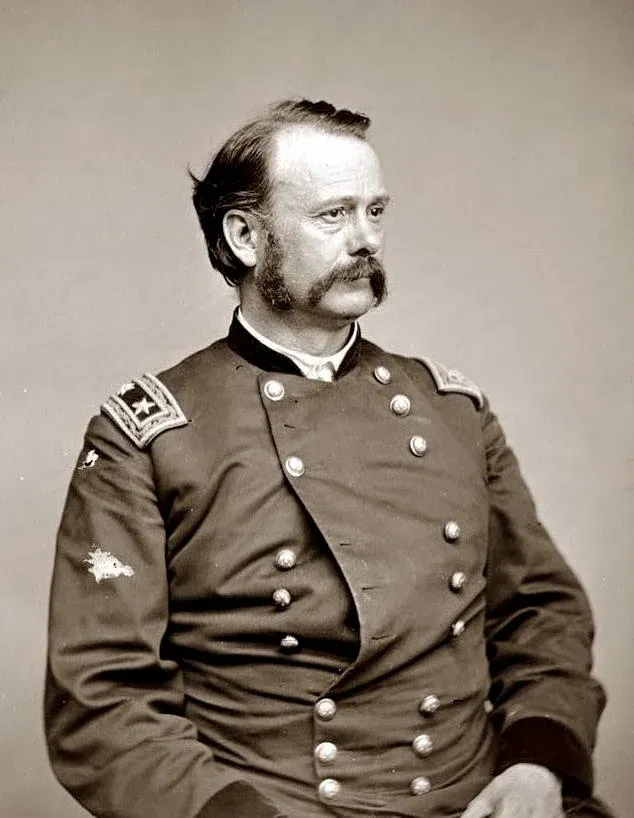
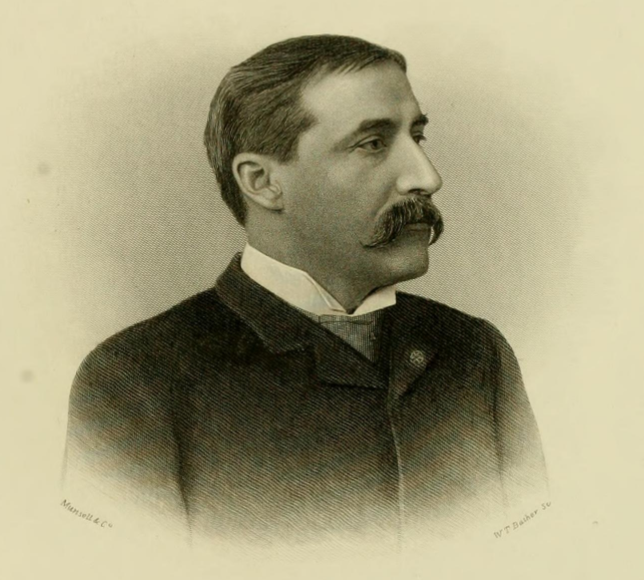
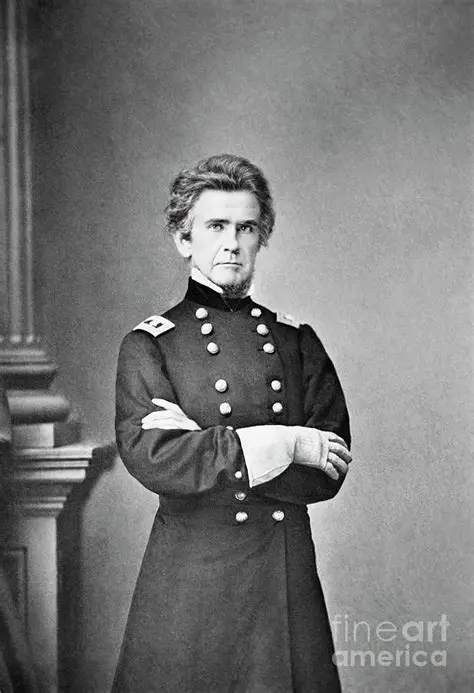
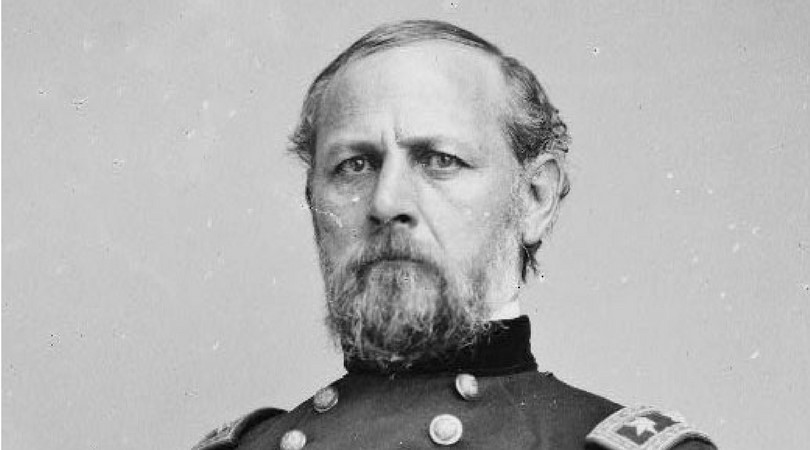
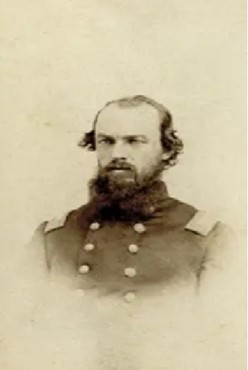
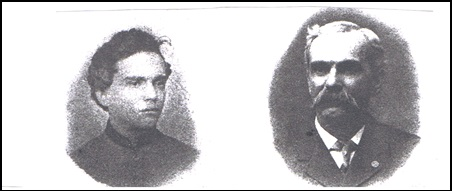
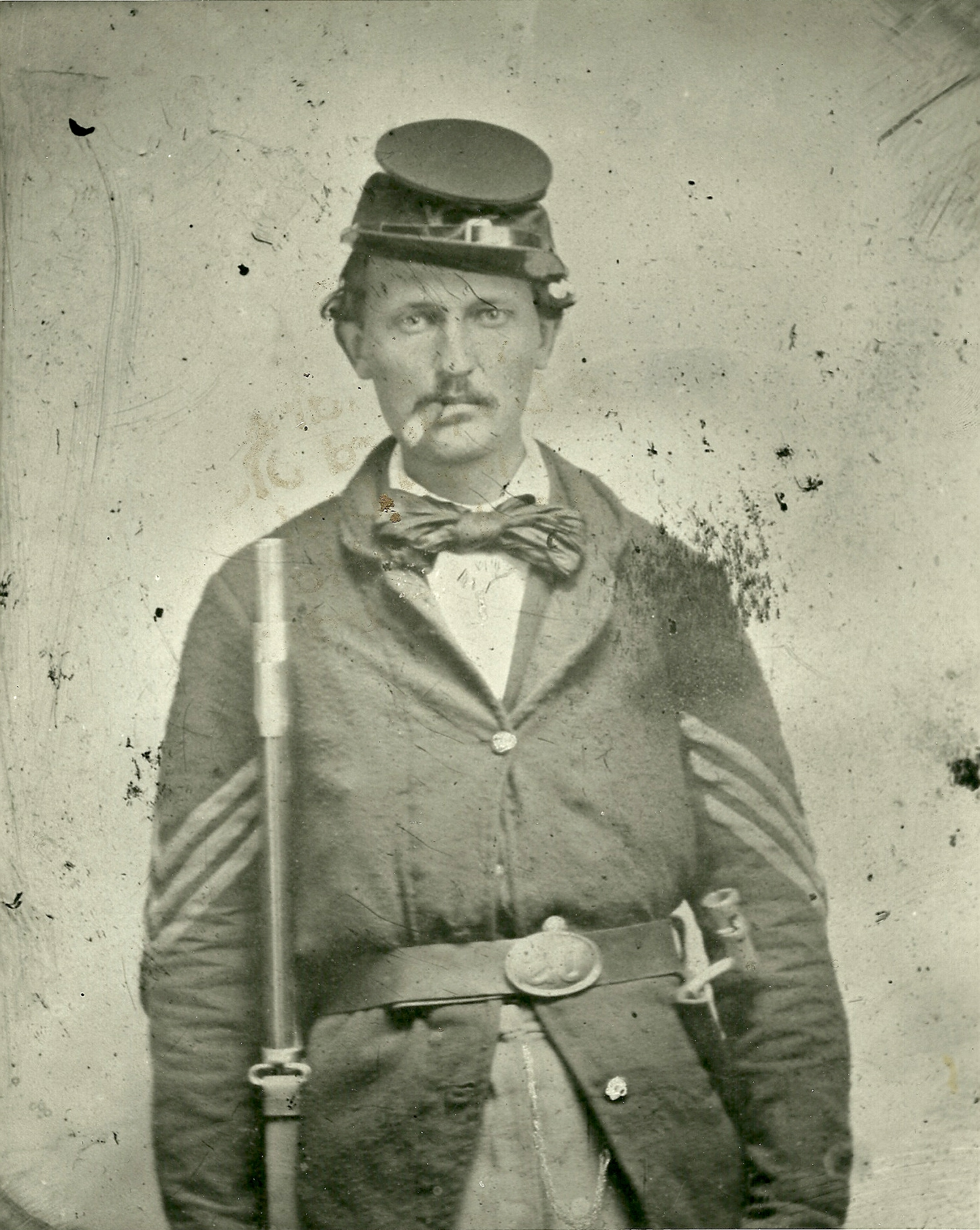
9th Michigan Infantry & Fort Duffield Garrison
Soldiers’ Life & Camp Layout
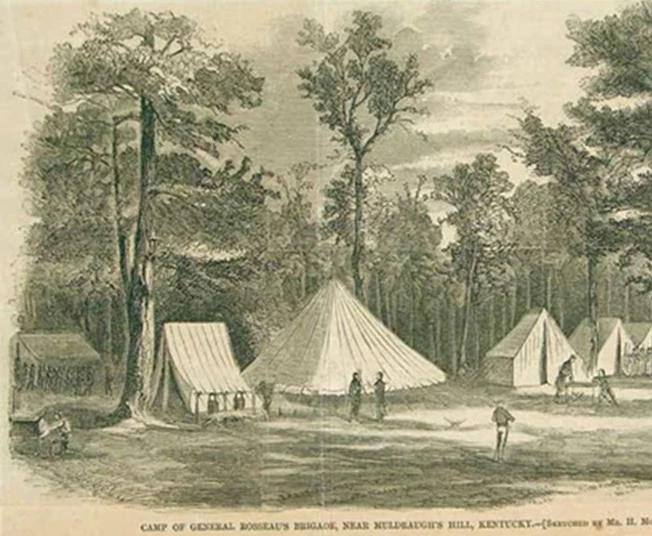

Gen. Lovell Rousseau’s brigade camp on Muldraugh Hill shows the typical layout of a Union encampment — tents arranged
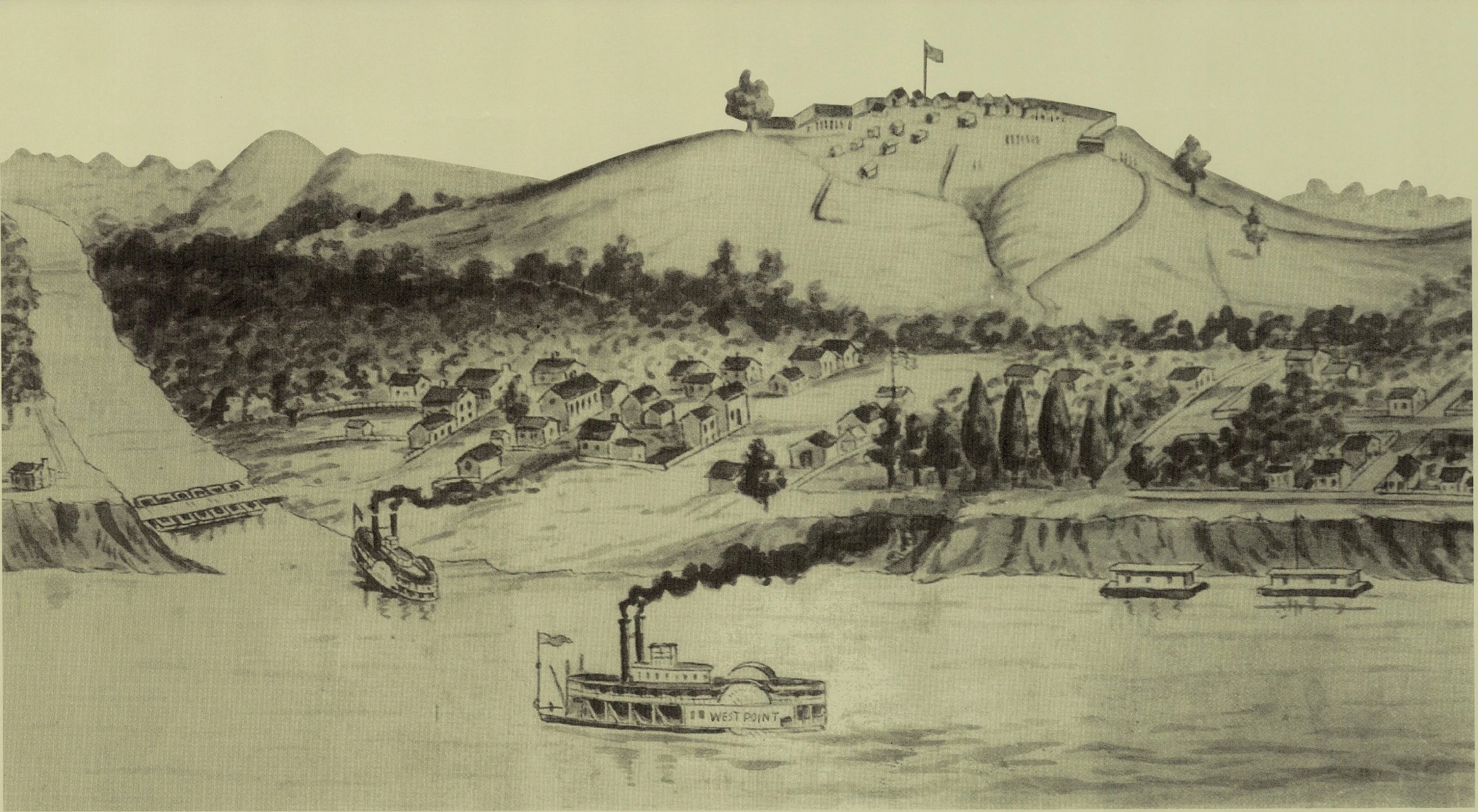
by company, supply stacks, cook areas, and parade grounds. Kelly’s sketch of Fort Duffield, drawn from across the river,
provides a rare contemporary view of the fort’s appearance during the war. The additional sketch offers another soldier’s
perspective of the fort’s profile and defensive posture above West Point.
Medical Personnel
Civilians & Local Residents

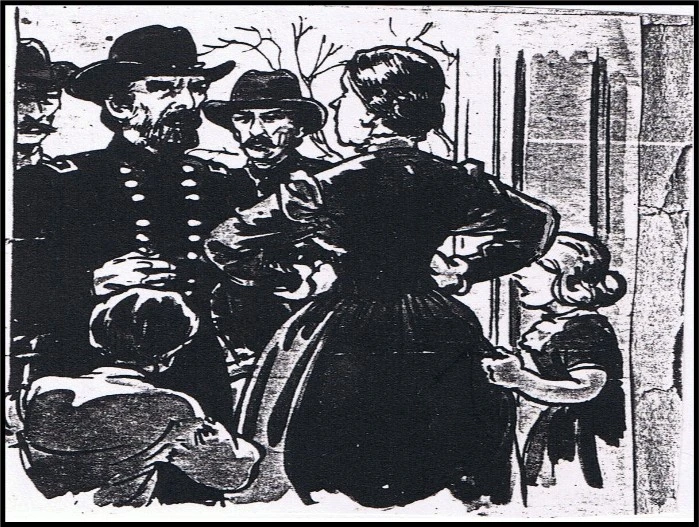
Mrs. Ann Eliza McCoy operated the Young’s Tavern House in West Point. When General Don Carlos Buell arrived in late 1861,
exhausted and short-tempered, he demanded food and fresh horses “damn double quick.” Mrs. McCoy famously replied that she
would provide the meal, but she did not know how “damn double quick” it would be. Local tradition holds this was the only
curse word she ever uttered in her 93 years.
Years after the war, Buell returned to West Point and personally apologized to Mrs. McCoy for his behavior — a moment
remembered by the community as one of the most humanizing stories of the conflict, and a reminder of the hardships,
logistics failures, and strained relationships that marked soldier life around Fort Duffield.
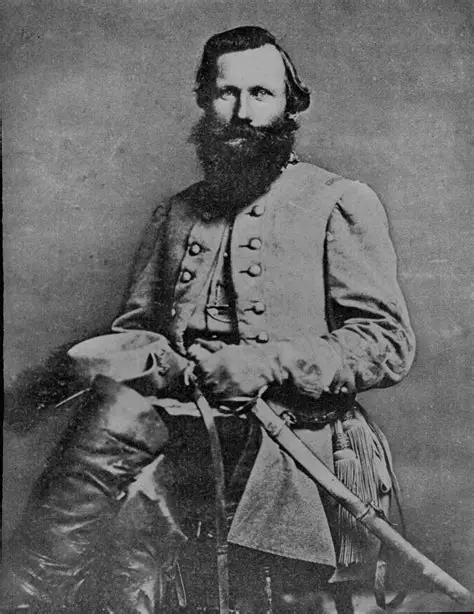
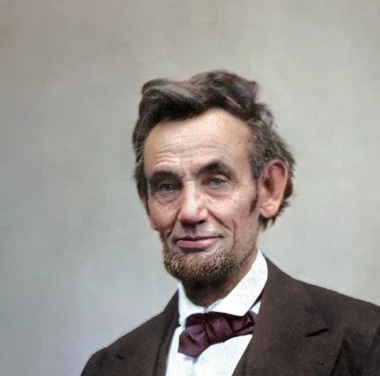
National Figures Connected to the Region
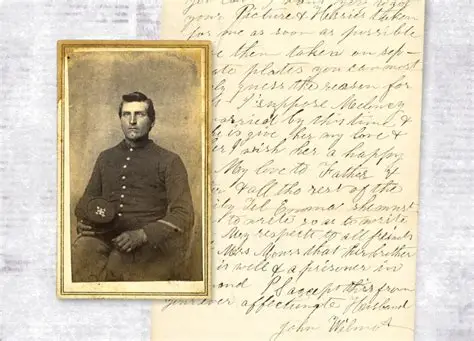
Soldiers Whose Letters & Diaries Tell the Story