Origins of the Modern Restoration
The modern restoration movement began not with a formal committee or a government initiative, but with curiosity, local memory, and a rediscovery that revealed how much history lay hidden on Fort Hill. Between 1990 and 1992, a small group of residents, business owners, and history enthusiasts transformed Fort Duffield from an overgrown relic into a community mission.
This page explores the early spark — the conversations, discoveries, and first organized efforts that laid the foundation for the full resurrection of Fort Duffield.
The Spark: Local Stories & Curiosity
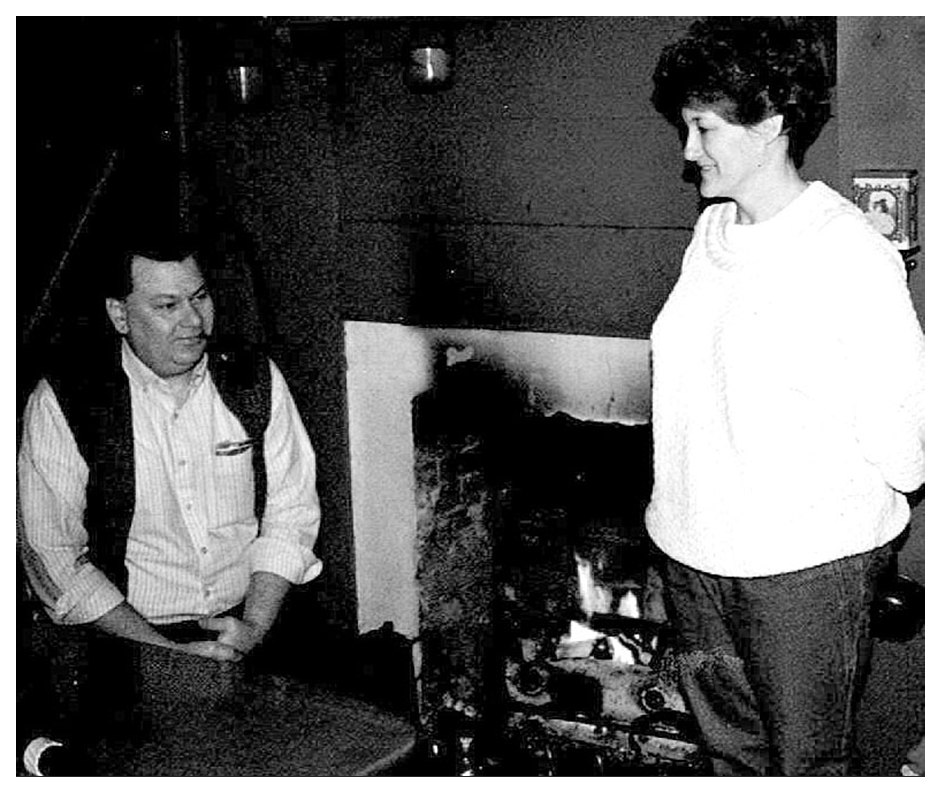
The earliest seeds of restoration were planted through conversations at Ditto House Bed & Breakfast. Cookie and Carol Goldsmith shared stories of an old Civil War cemetery on Fort Hill with visitors, including tour operator Rube Yelvington. Their enthusiasm — and Cookie’s warnings about snakes — stirred interest in exploring the forgotten hill.
Early Explorations on Fort Hill
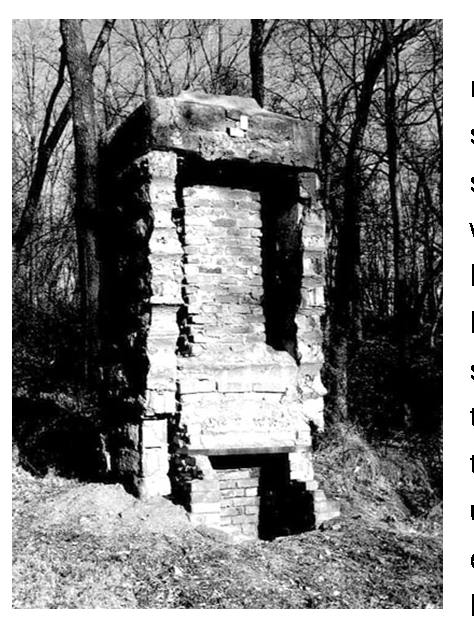
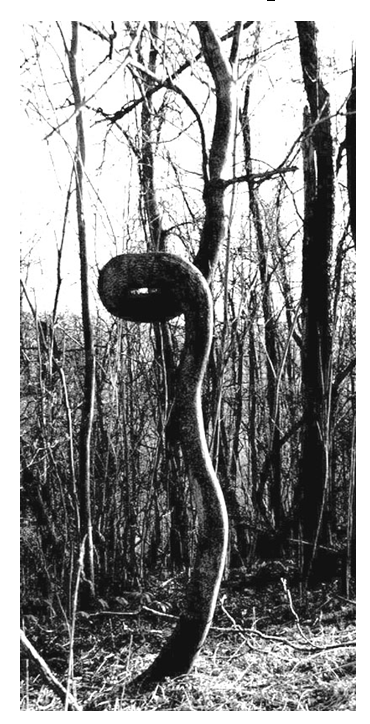
Before any organized effort existed, individuals began exploring the hill. They found remnants of a CETA cabin, unusual trees, and traces of old trails. These discoveries confirmed that Fort Hill held more than just forgotten earthworks — it held layers of history waiting to be uncovered.
The Merchants Association Steps In
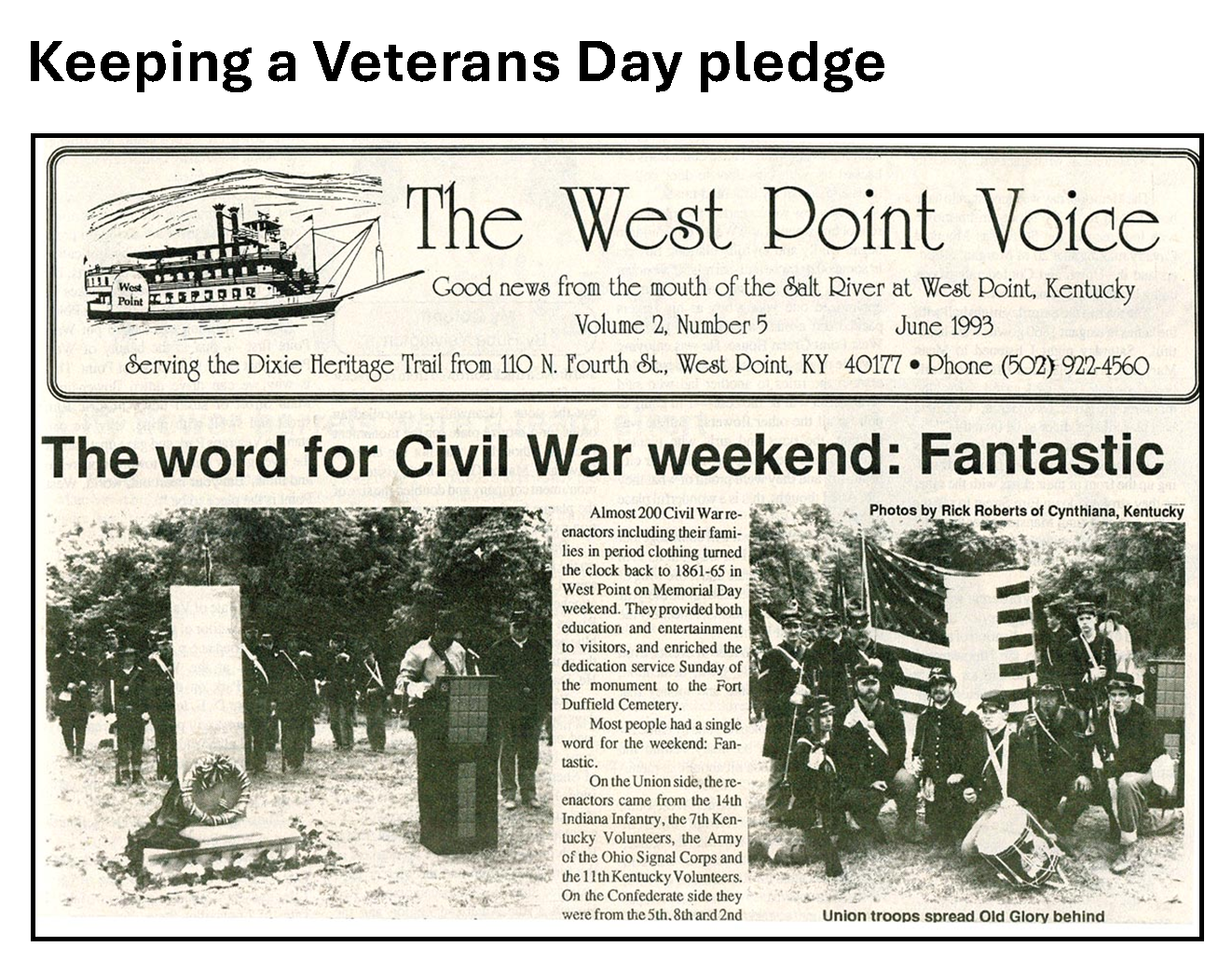
In May 1992, the newly formed West Point Merchants Association met to discuss ways to attract visitors. The idea of restoring the Civil War cemetery emerged as a way to honor forgotten soldiers and bring attention to West Point’s heritage. This meeting marked the first organized commitment to restoring Fort Duffield.
Locating the Cemetery
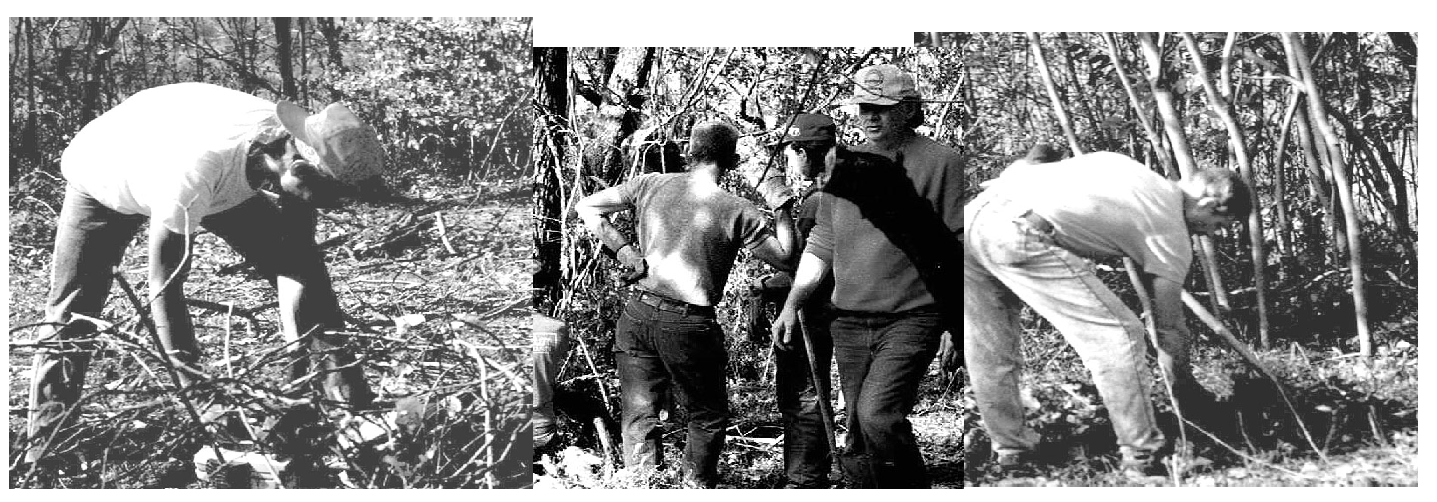
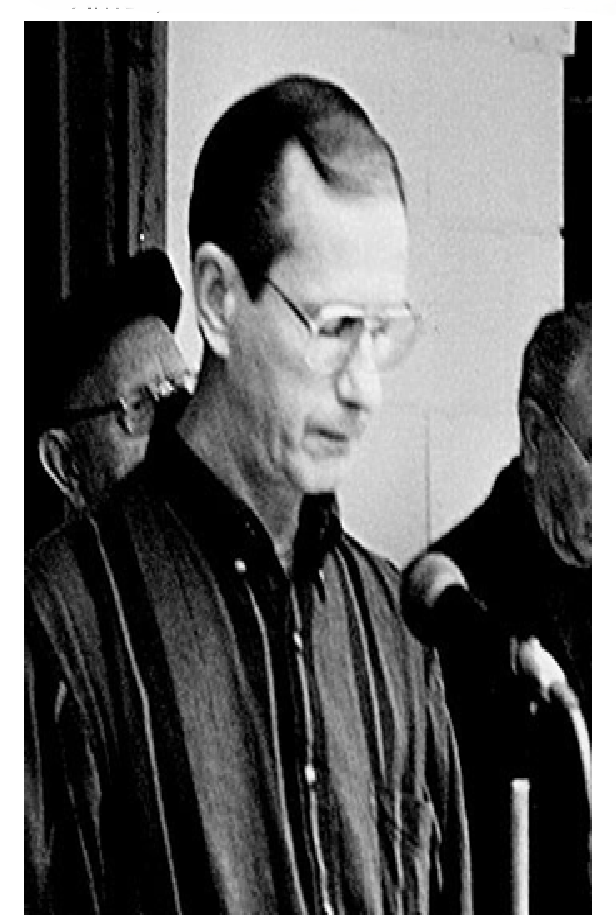
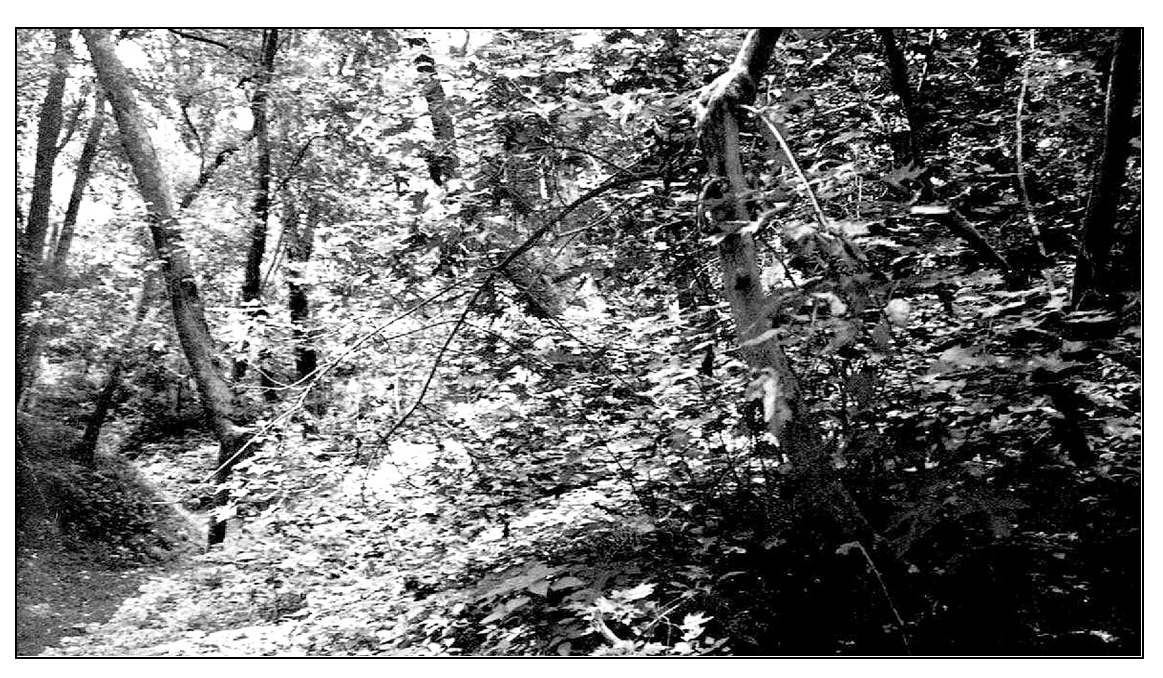
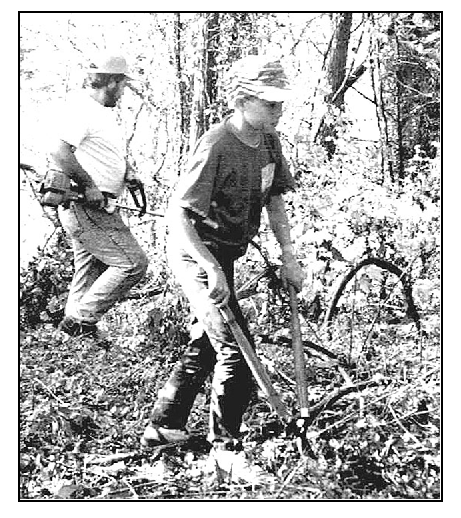
Historian Richard Briggs recalled an old photograph showing fieldstone grave markers. Using this memory, he helped identify the cemetery’s location. Volunteers tied ribbons to trees, marked suspected grave sites, and began clearing brush to reveal the forgotten burial ground.
Community Momentum Builds
As word spread, more volunteers joined the effort. Local businesses donated tools, equipment, and labor. The Jennings brothers brought chain saws and machinery. The community’s enthusiasm transformed the project from a small idea into a full restoration movement.