The story of Fort Duffield is the story of the men who built it, defended it, and endured one of the harshest winters of the Civil War atop the ridge above West Point. Their labor and sacrifice shaped the fort and the legacy it carries today.
Quick Links
Foundational Figures
Colonel William W. Duffield — The Fort’s Namesake
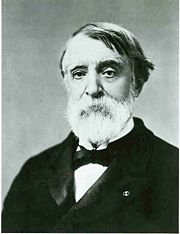
Colonel William Ward Duffield commanded the 9th Michigan Infantry, the regiment responsible for constructing Fort Duffield during the winter of 1861–62.
The soldiers named the fort in his honor — a tribute to a commander they respected for fairness, competence, and steady leadership.
Duffield later rose to brigadier general, but Fort Duffield remains the most enduring symbol of his early Civil War service.
Abraham Lincoln — 16th President of the United States
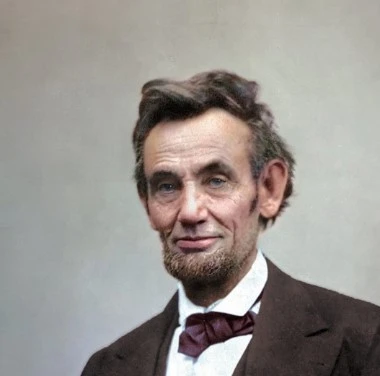
Abraham Lincoln’s wartime decisions shaped the Western Theater and directly influenced the deployment of the 9th Michigan Infantry to West Point.
Although Lincoln never visited Fort Duffield, his policies defined the lives of the soldiers who built and defended it.
Union Commanders Connected to Fort Duffield
Major General William “Bull” Nelson
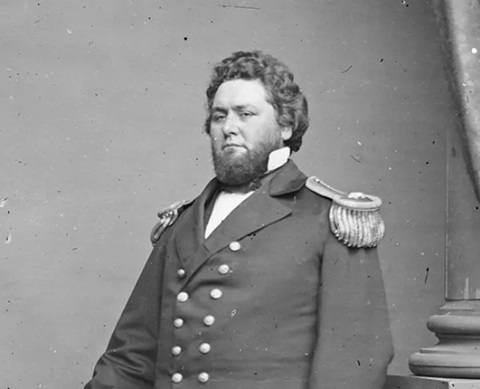
Nelson’s actions in 1861 shaped the military conditions that made Fort Duffield necessary.
More About Major General William “Bull” Nelson
Panel 1 — The Man
Nelson was personally selected by Lincoln to secure Kentucky’s loyalty.
Panel 2 — Connection to Fort Duffield
His early‑war defensive priorities helped justify the fort’s construction.
Panel 3 — Where He Operated
- Ohio River Landing
- Camp Blair
- Supply depots
- Road network toward Muldraugh Hill
Panel 4 — Timeline
- Summer–Fall 1861: Organizes Home Guards
- Nov 1861: Fort Duffield ordered
- Dec 1861–Feb 1862: Buell HQ at West Point
- Feb 1862: Nelson’s division embarks
Major General Don Carlos Buell
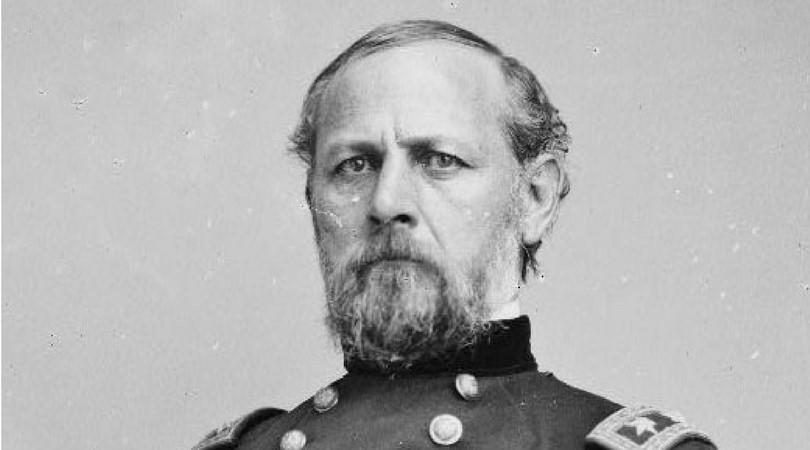
Buell established his headquarters in West Point during the winter of 1861–62.
His logistical priorities directly influenced Fort Duffield’s construction.
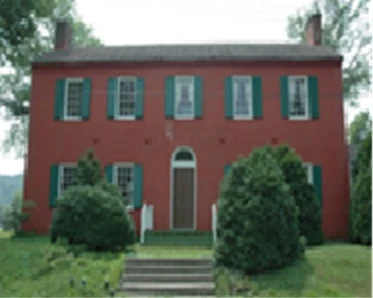
Ann Eliza (Elizabeth) McCoy — Young’s Tavern House
Her tavern became a gathering place for soldiers and officers during Buell’s headquarters period.
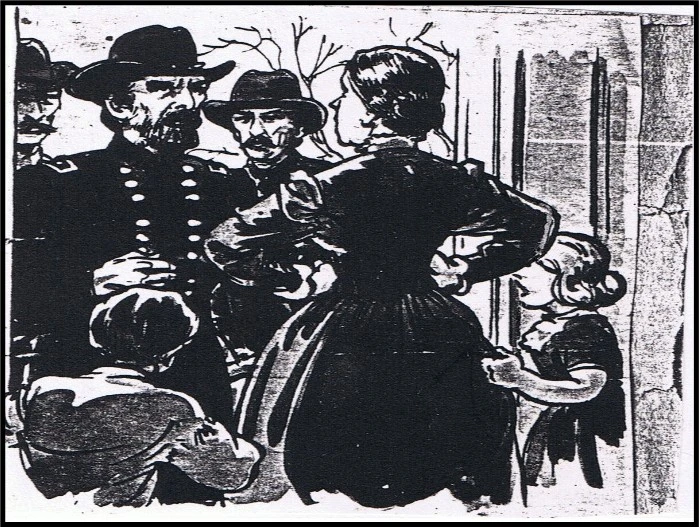
“I want fresh horses and food for 75 men and I want it damn double quick.”
“You will have your meal — but I don’t know how damn double quick it will be.”
General William Tecumseh Sherman — Department of the Cumberland
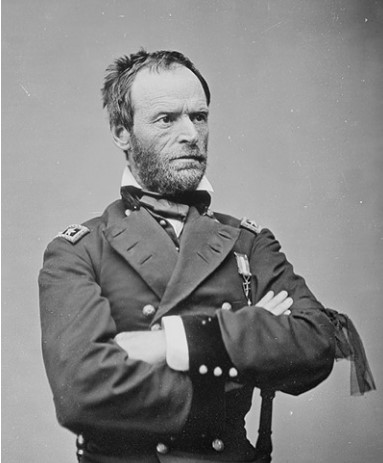
Sherman warned early that the Salt–Ohio junction was a strategic choke point.
Major General George H. Thomas — “The Rock of Chickamauga”
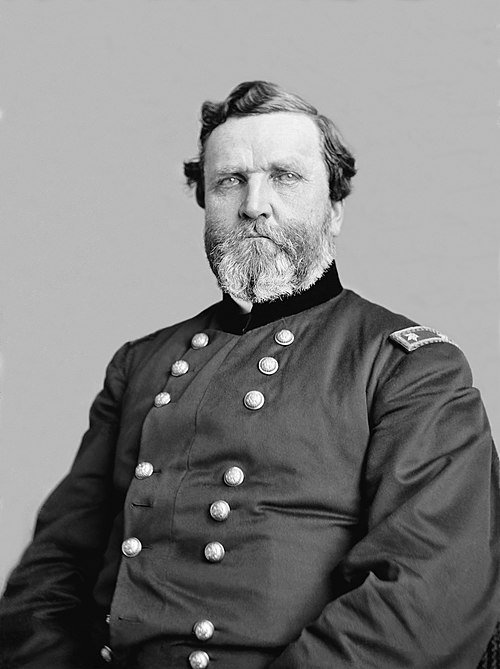
Thomas inspected the 9th Michigan Infantry during the winter of 1861–62 and personally commended the regiment that built Fort Duffield.
Major General Jeremiah T. Boyle — Union Commander in Kentucky
Boyle emphasized securing the Salt–Ohio junction — the same ground Fort Duffield defended.
Major General Ormsby M. Mitchel — Astronomer, Engineer, Commander
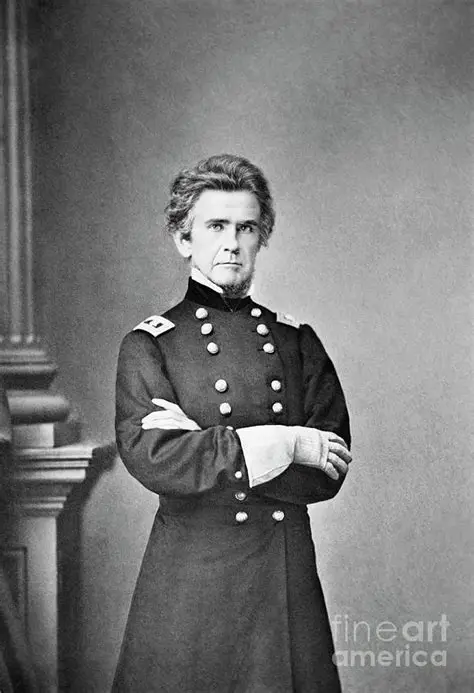
Mitchel’s strategic priorities shaped the environment in which Fort Duffield was built.
Brigadier General Alexander McDowell McCook — Union Division Commander
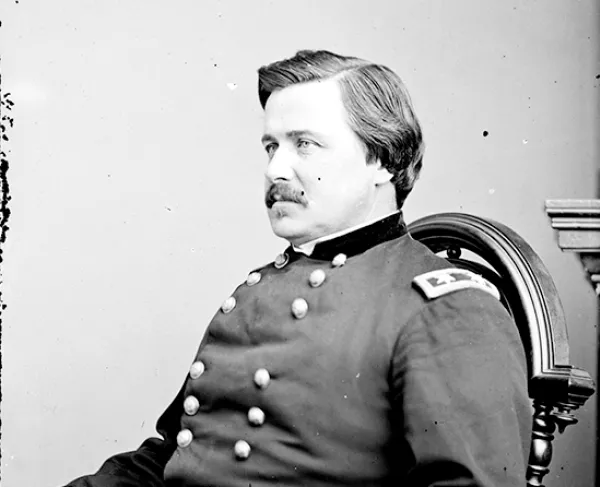
McCook’s forces operated within the same defensive corridor that made Fort Duffield essential.
Brigadier General Lovell H. Rousseau — Kentucky Union Leader
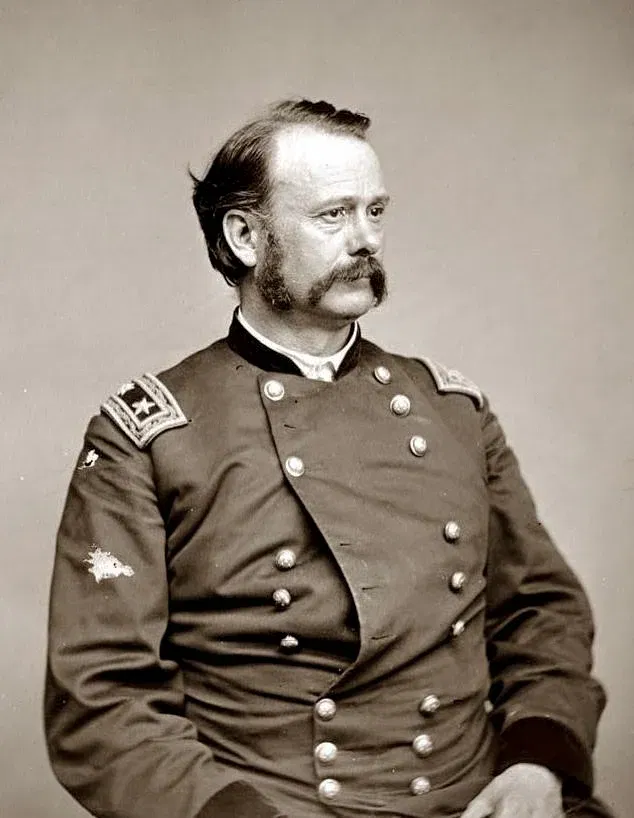
Rousseau’s troops operated along the Ohio River and the Louisville–Nashville corridor — the same routes Fort Duffield protected.
Colonel John T. Croxton — Rising Kentucky Officer
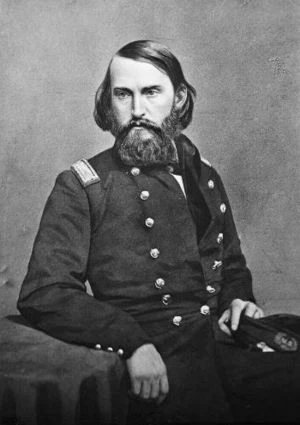
Croxton’s early service placed him within the defensive network that included Fort Duffield.
Lieutenant Colonel Oliver L. Shepherd — Regular Army Professional
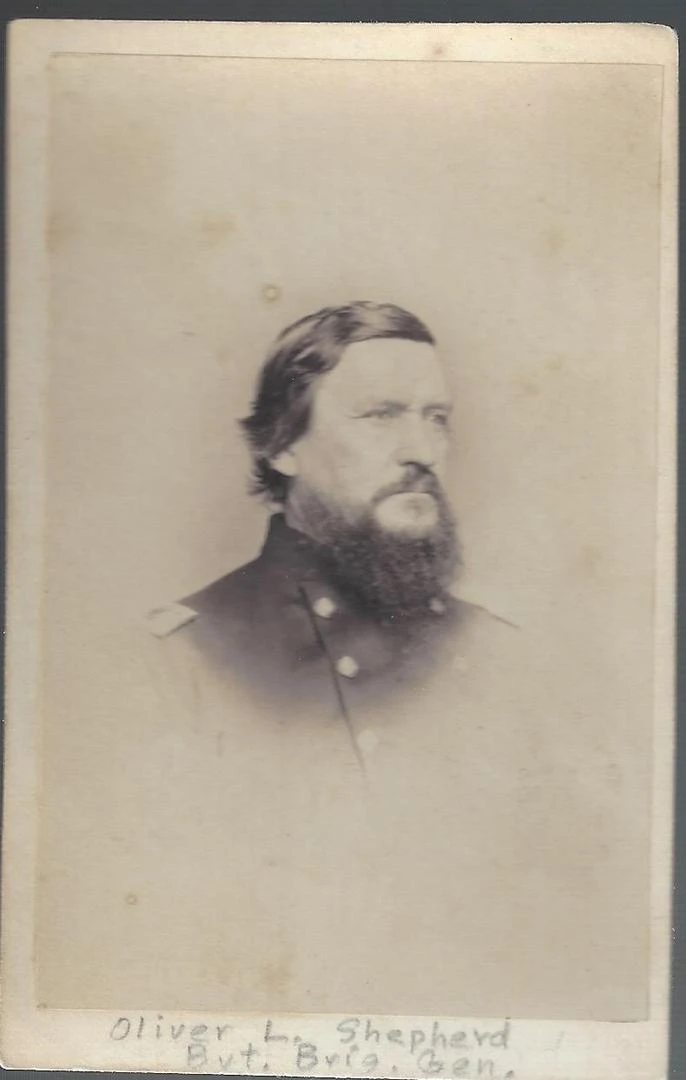
Shepherd’s regiment operated in the same strategic district as West Point, reinforcing the need for strong defensive positions like Fort Duffield.
Fort Duffield Command & Regimental Leadership
Colonel Charles V. DeLand — Commander, 9th Michigan Infantry
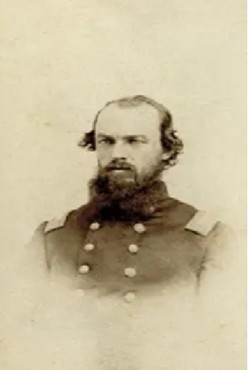
Colonel Charles Victor DeLand commanded Company C of the 9th Michigan Infantry, the regiment responsible for constructing Fort Duffield.
His letters remain an invaluable primary source for understanding the fort’s creation.
Lt. Col. Daniel M. “Dorus” Fox — 9th Michigan Infantry
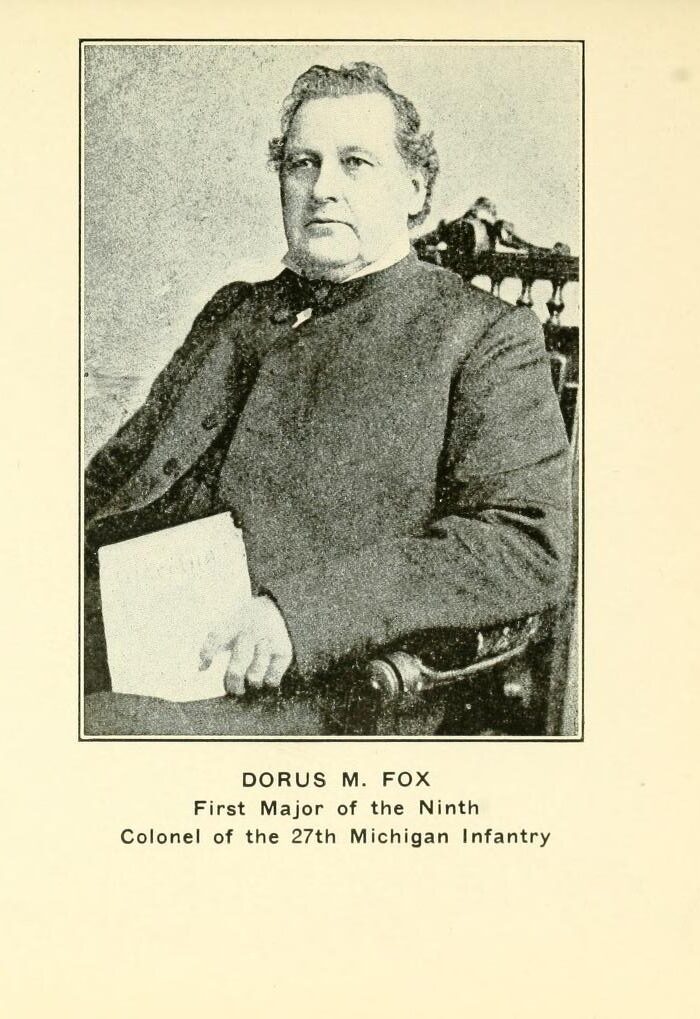
Lt. Col. Daniel M. “Dorus” Fox served as second‑in‑command of the
9th Michigan Infantry during the construction and early occupation of Fort Duffield in
the winter of 1861–62. Initially regarded as a capable and steady officer, Fox played a
key role in organizing labor details, managing daily operations, and supporting Colonel
William Duffield during the fort’s earliest months.
The Salt River Bridge
Fox’s most impressive achievement was the rapid construction of the military bridge
over Salt River in early March 1862. Acting on urgent orders, Fox secured lumber,
organized work crews, and oversaw the building of a 650‑foot span in
just two and a half days. The bridge became a vital artery for the
Army of the Ohio, allowing General Buell’s 40,000‑man force to cross Salt River during
the race to reach Louisville ahead of Confederate General Braxton Bragg.
The Winter Collapse
The brutal winter of 1861–62 took a severe toll on Fox. Disease, freezing weather,
inadequate shelter, and constant labor overwhelmed the regiment. Men died daily, and
Fox himself became sick, exhausted, and emotionally strained. In a rare surviving
memorandum, Fox admitted his breaking point:
“I am unable to perform the duties of my office. The suffering of the men is great,
and I am myself sick and worn down. I respectfully request to be relieved from command.”
The Sick‑Men Scandal
In January 1862, Fox refused to move sick men to Louisville despite orders from
brigade surgeons. Six men died in one day. Chaplain John Lozier reported that Fox
threatened medical officers, ordered guards to remove surgeons from camp, and lost
control of the regiment.
Removal from Command
General John Turchin arrived at camp, entered Fox’s tent, took his sword, and
relieved him of command on the spot. Soldiers reportedly cheered. Fox left West Point
soon afterward and later resigned his commission.
Legacy
Fox’s legacy at Fort Duffield is a mixture of logistical brilliance and tragic
collapse. His Salt River Bridge stands as one of the most impressive engineering feats
connected to the fort, while his memorandum remains one of the most honest and painful
firsthand accounts of the suffering endured during the winter of 1861–62.
Adjutant Henry M. Duffield — Administrative Officer, 9th Michigan Infantry
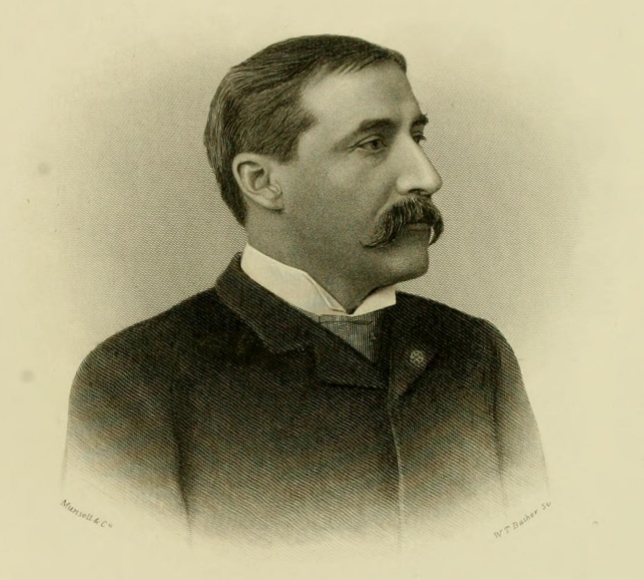
Henry Martin Duffield served as adjutant of the 9th Michigan Infantry — the regiment that built Fort Duffield in late 1861.
Major George W. Barth
Commanding Officer, Company H, 28th Kentucky Infantry (Union)
Major George W. Barth commanded Company H of the 28th Kentucky Infantry, one of the local Union units assigned to garrison and safeguard Fort Duffield.
Major Barth Biography
A Local Officer with Local Responsibilities
Barth’s command was unusual in that he lived so close to the fort he oversaw. His family farm stood only three miles from Fort Duffield, on Pendleton Road near the Jefferson–Bullitt County line — an area later remembered as the site of the one‑room Barth School. His proximity meant he balanced military duty with concern for his family, who lived in a region increasingly threatened by guerrilla activity.
Decommissioning Fort Duffield
In early 1863, as Union strategy shifted southward, Major Barth was the officer who formally decommissioned Fort Duffield. He supervised the withdrawal of Company H, secured government property, and oversaw the abandonment of the post.
Guerrilla Threats and Emergency Leave
After the garrison departed, irregular Confederate bands intensified their harassment of Union‑leaning families. Barth’s own household was threatened and intimidated, prompting him to request emergency leave so he could move his wife and children to Louisville for their safety.
Robert H. Hendershot — “Little Drummer Boy of the Rappahannock”
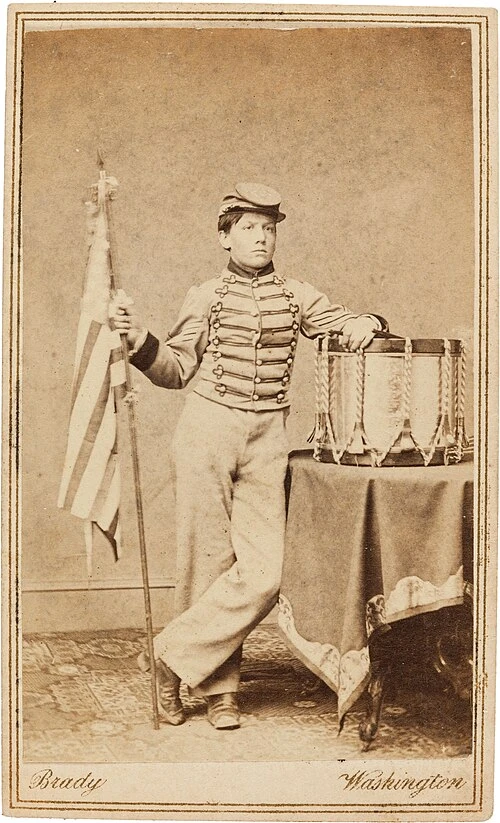
Robert Henry Hendershot, later celebrated as the
“Little Drummer Boy of the Rappahannock,” was one of the most remarkable
figures ever connected to Fort Duffield. At only eleven years and eight months old,
he attached himself to the 9th Michigan Infantry, determined to become a soldier despite being
repeatedly sent home for his age.
Hendershot followed the regiment from Michigan to Kentucky, hiding in a locomotive toolbox,
slipping past officers, and finally attaching himself to Company B under Capt. Rounds.
It was at Fort Duffield that he was officially mustered into the United States Army,
making him one of the youngest soldiers ever enrolled during the Civil War.
A Bad Day for Pigs
One of the most memorable incidents recorded in the
Historical Sketch of the Ninth Michigan Infantry occurred while Hendershot was running
an errand from the fort down into West Point. Passing the farm of a local Unionist—whose
property was strictly off‑limits—Hendershot spotted a large hog along the roadside. Believing
fresh pork would be a welcome treat for the hungry men on the hill, he used five rounds
from his Colt revolver to dispatch the animal.
He informed Sgt. Higgins and Sgt. Hunley of Company C, who helped dress the hog and carry it
back to camp. When the farmer complained, Col. Duffield confined Hendershot to the guardhouse
for a week, scolding the sergeants more harshly than the boy.
Not long afterward, a nighttime alarm swept through the camp when a sentry fired at movement
in the brush. The regiment formed for action—only to discover at daylight that the “enemy”
was another unfortunate pig wandering through the undergrowth. The two pig incidents became
some of the most retold stories of the regiment’s winter at Fort Duffield.
Later Fame
After being discharged for his age, Hendershot enlisted again in the 8th Michigan Infantry
and later earned national fame for his daring actions during the crossing of the
Rappahannock River at Fredericksburg. His bravery made him a celebrated wartime
figure, and he remained a well‑known musician for the rest of his life.