Resurrection of Fort Duffield
Discovery on Fort Hill
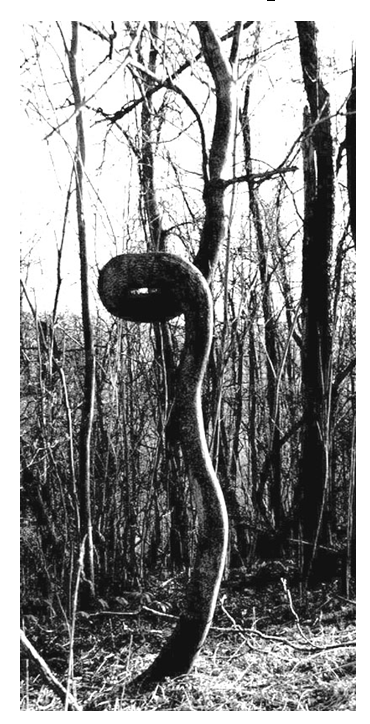
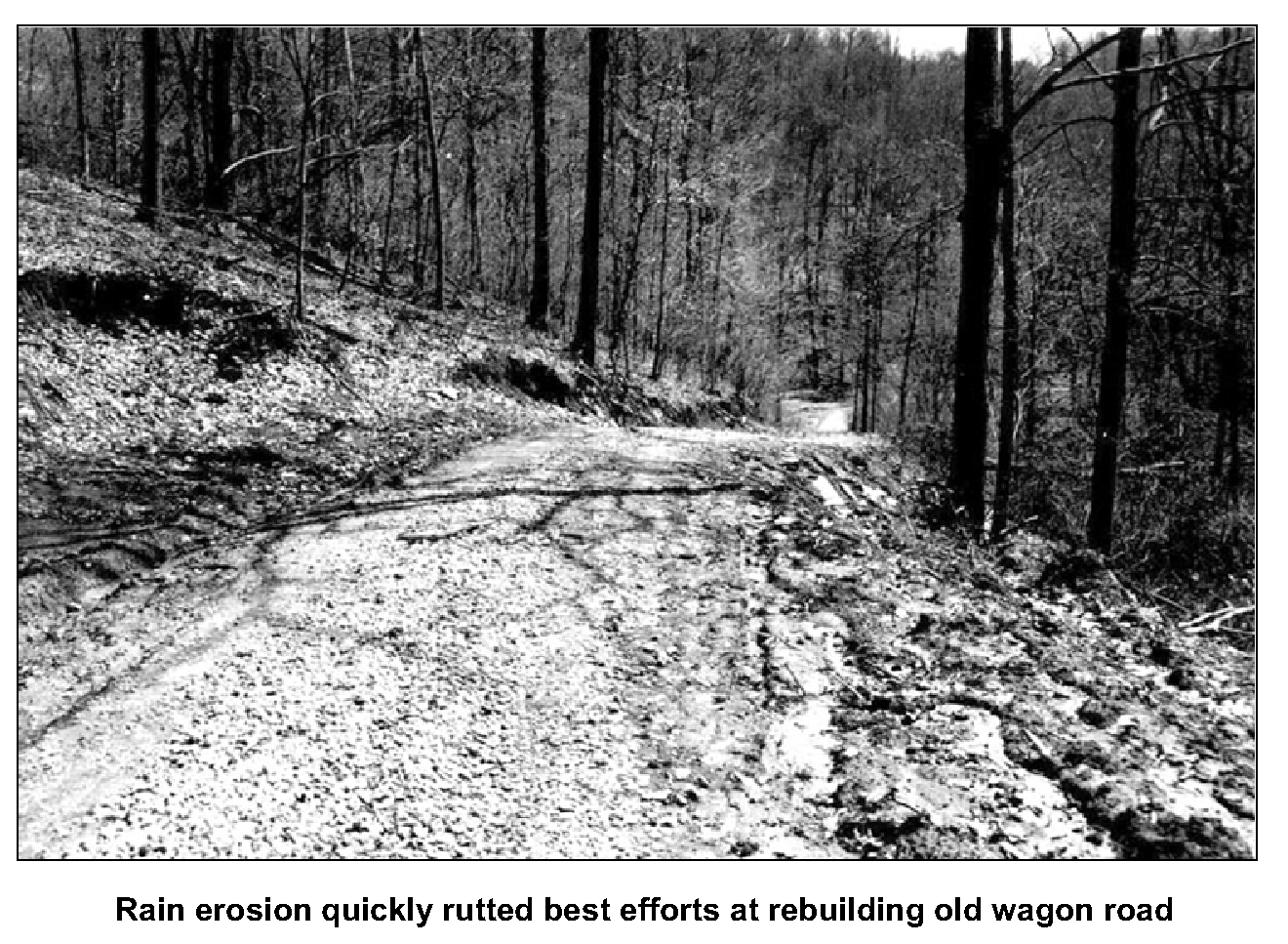
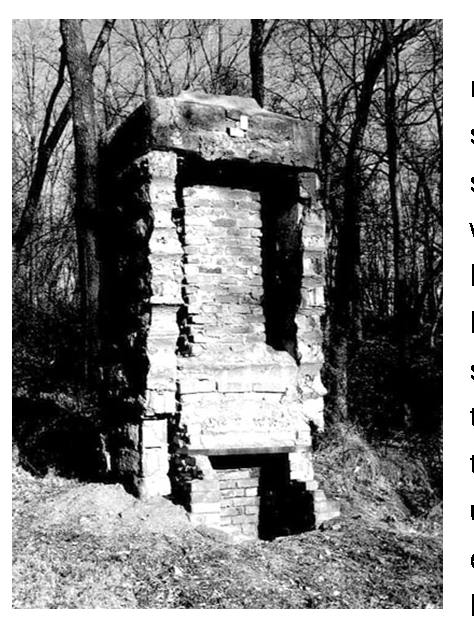
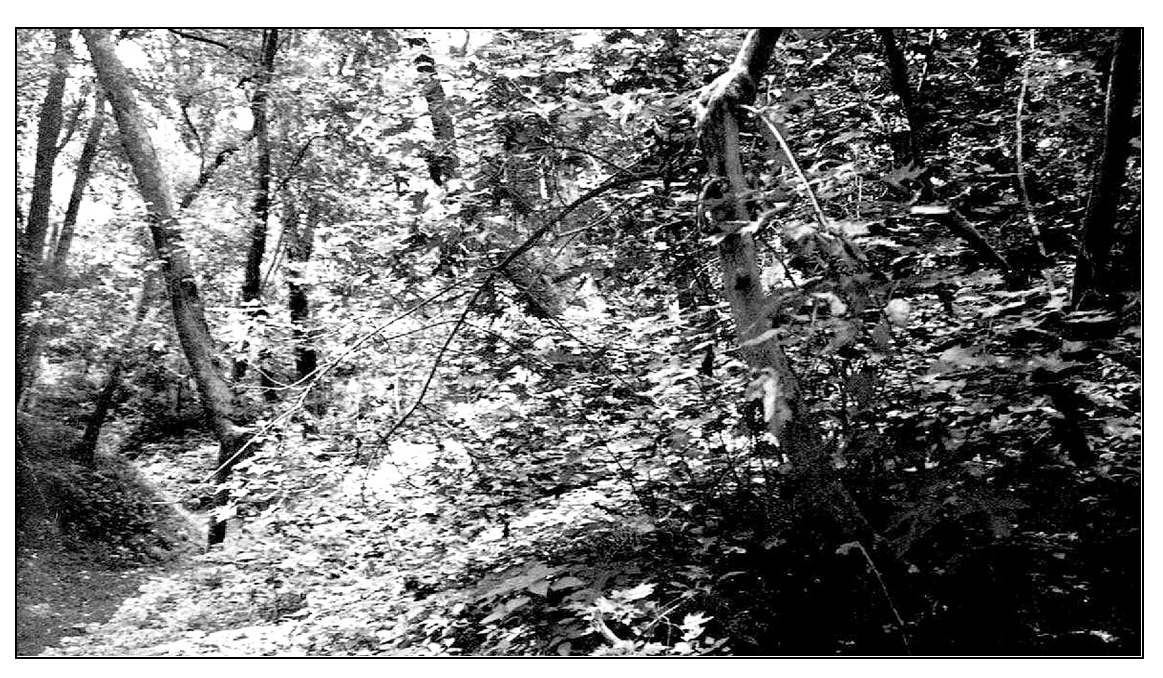
In 1990, tour operator Rube Yelvington climbed Fort Hill wearing dress shoes instead of boots, following what he thought was an old trail. He encountered remnants of a CETA-built cabin, a strange “Indian tree,” and finally a rutted roadway that led him into an active shooting range used by local police and gun clubs. That walk revealed how forgotten Fort Duffield’s cemetery and earthworks had become—and how much potential the hill still held.
From Curiosity to Commitment
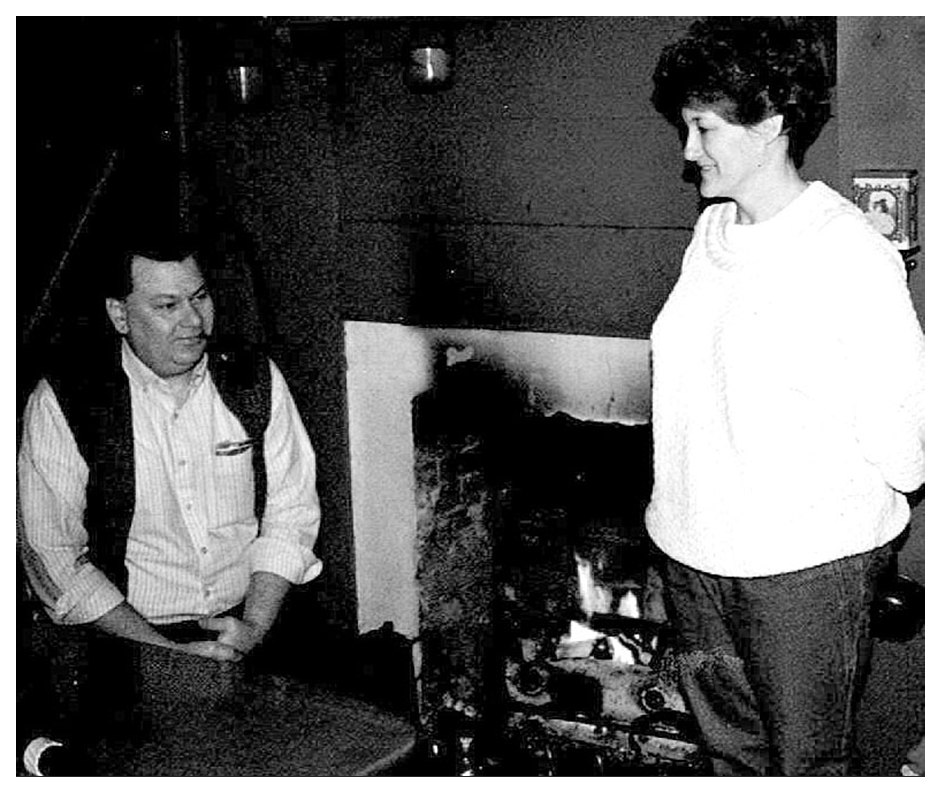
Yelvington’s experience, combined with stories from Cookie and Carol Goldsmith at Ditto House and Hazel Roberts at Young’s Inn, helped spark local interest. In May 1992, the newly formed West Point Merchants Association met to discuss ways to attract visitors. Someone mentioned the old Union cemetery on Fort Hill; someone else suggested that restoring it for Veterans Day would draw media attention and honor forgotten soldiers. That idea became the seed of the Fort Duffield preservation movement.
Clearing the Cemetery
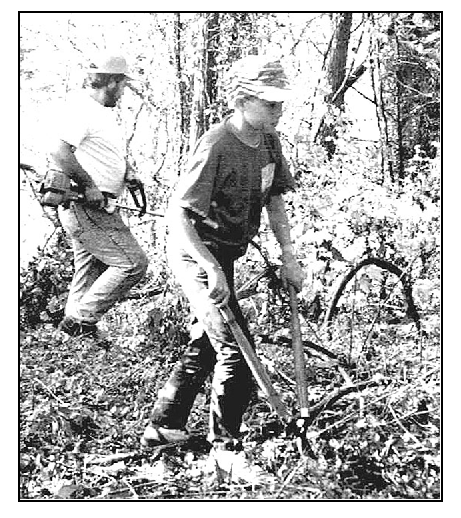
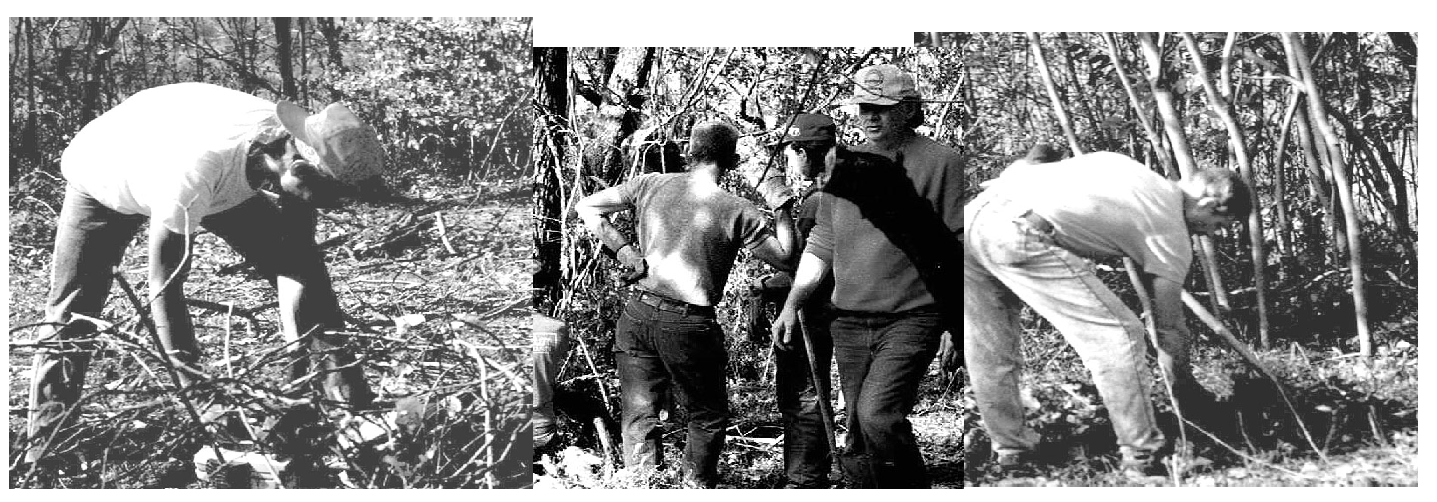
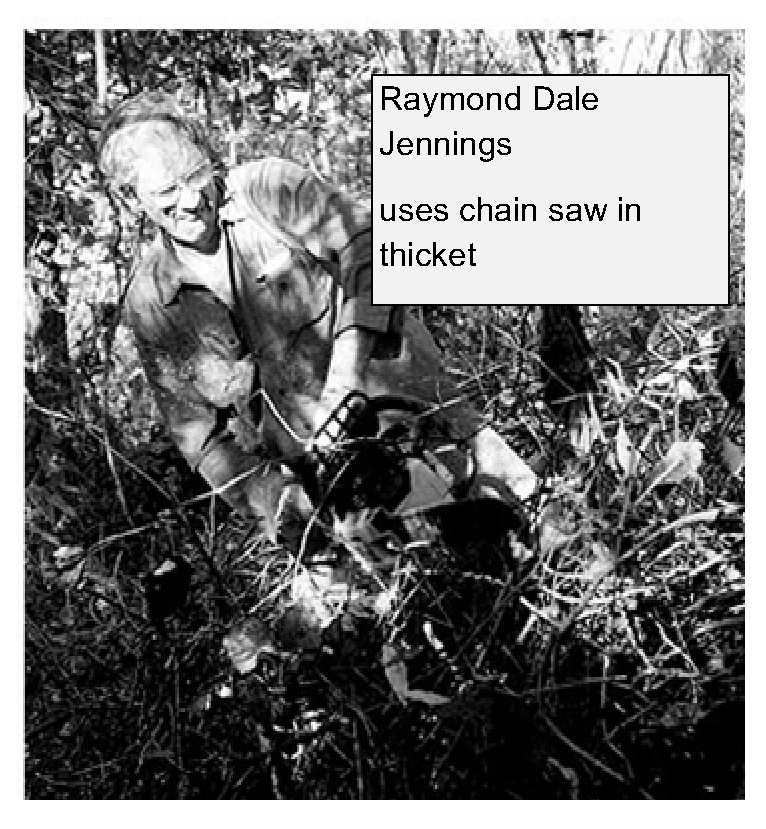
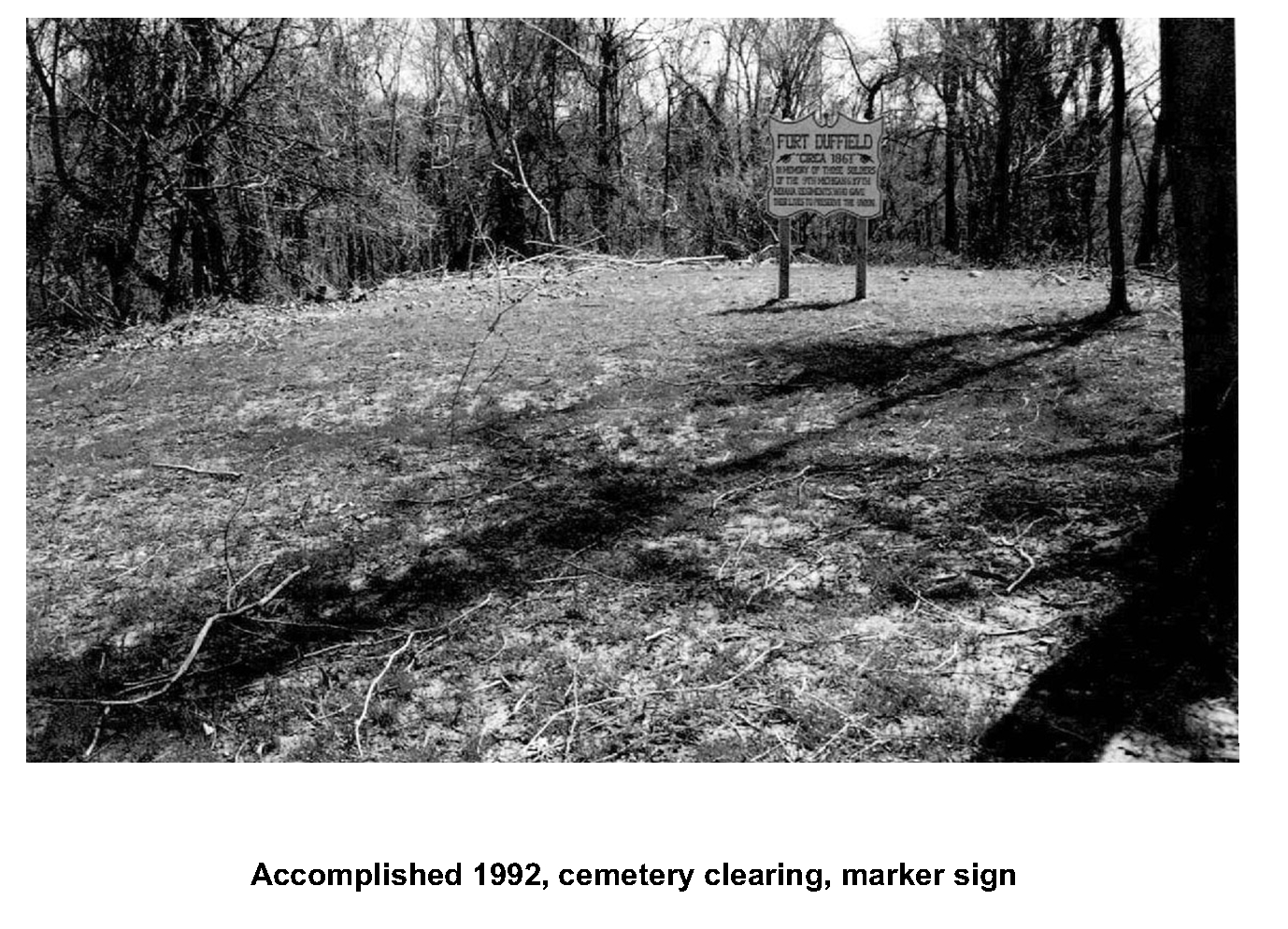
Historian Richard Briggs helped locate the cemetery site, recalling an old photograph of fieldstone markers. Volunteers answered the call: chain saws, brush cutters, scythes, axes, and rakes attacked decades of growth. Thick brush and trees hid the graves; slowly, the stones and berms emerged. The work was exhausting, but it transformed Fort Hill from a forgotten thicket into a place of memory.
Road, Access, and First Sign
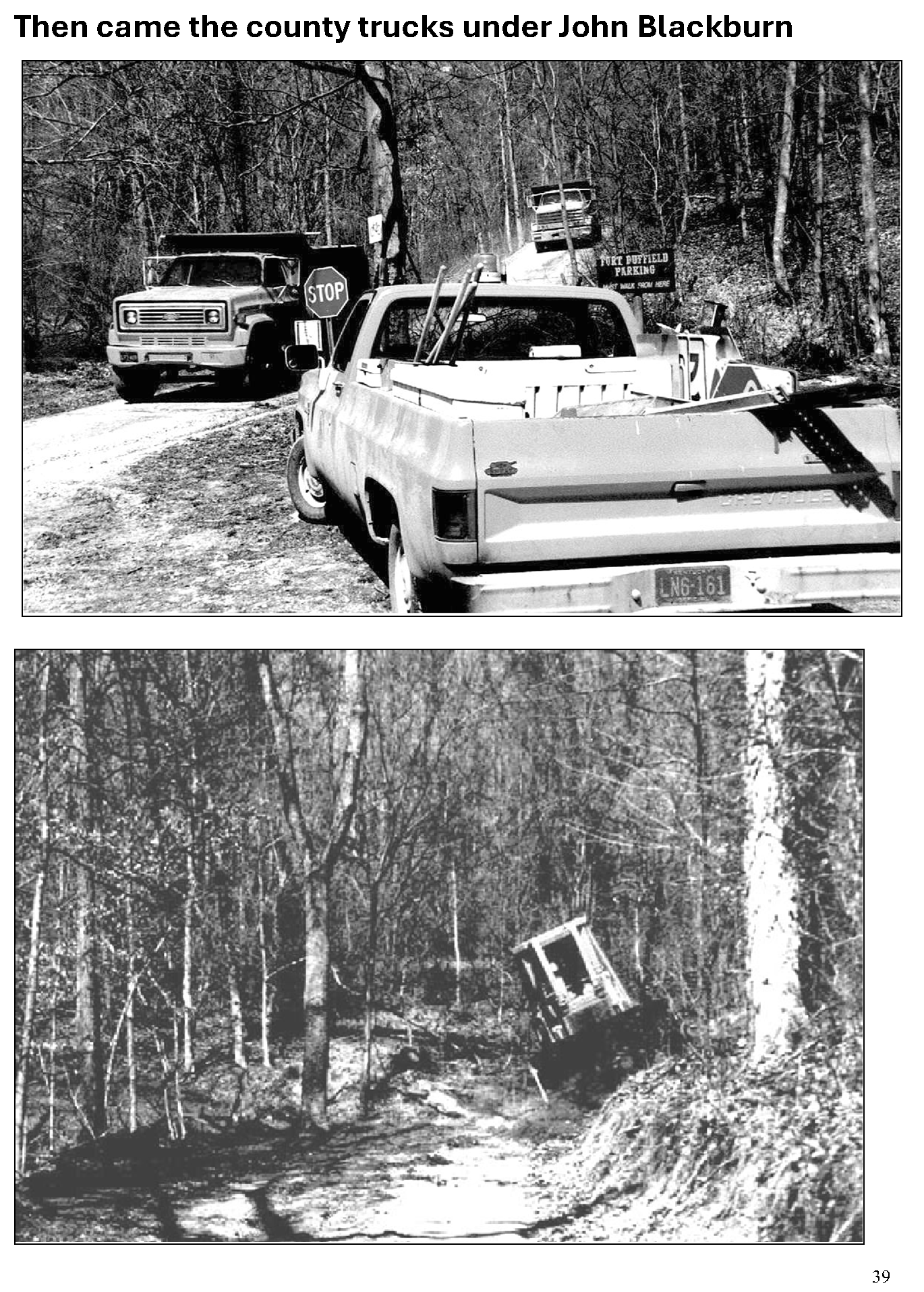
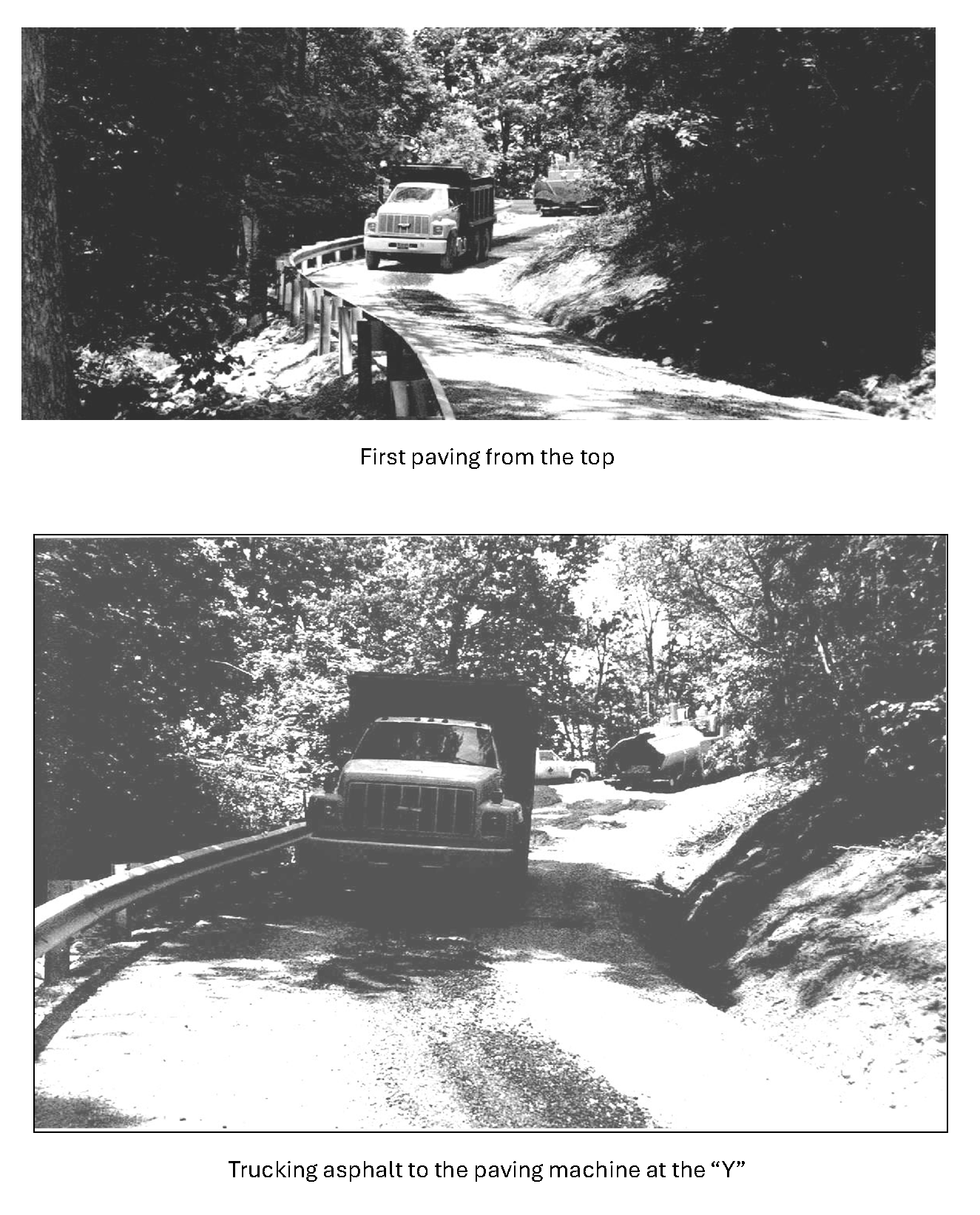
The rutted dirt road up Fort Hill was nearly impassable. With help from Mayor Gene Smith, rock was donated, and local contractors used dump trucks and a small bulldozer to improve the route. Despite rain and mud delaying the first planned hilltop ceremony, the work continued. A simple sign marked the cemetery, and the idea of a permanent memorial took shape.
Veterans Day 1992 — The Emotional Turning Point
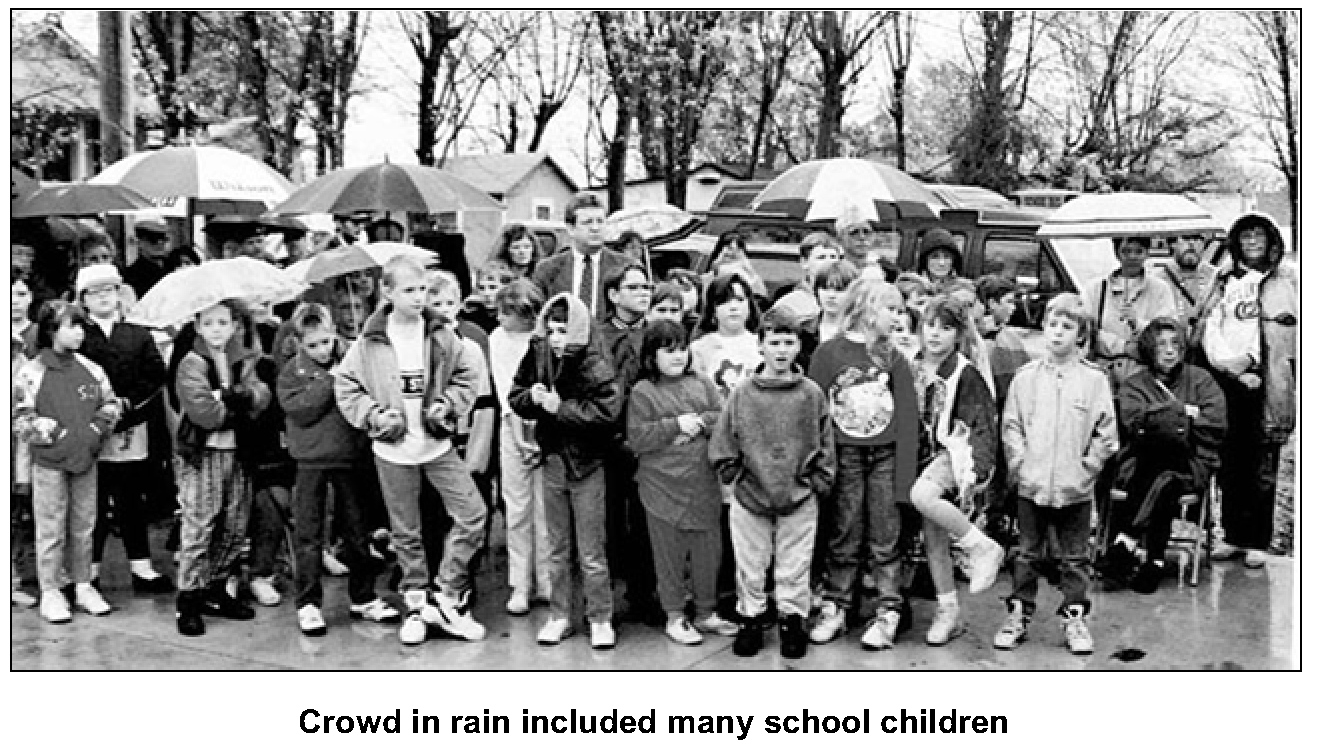
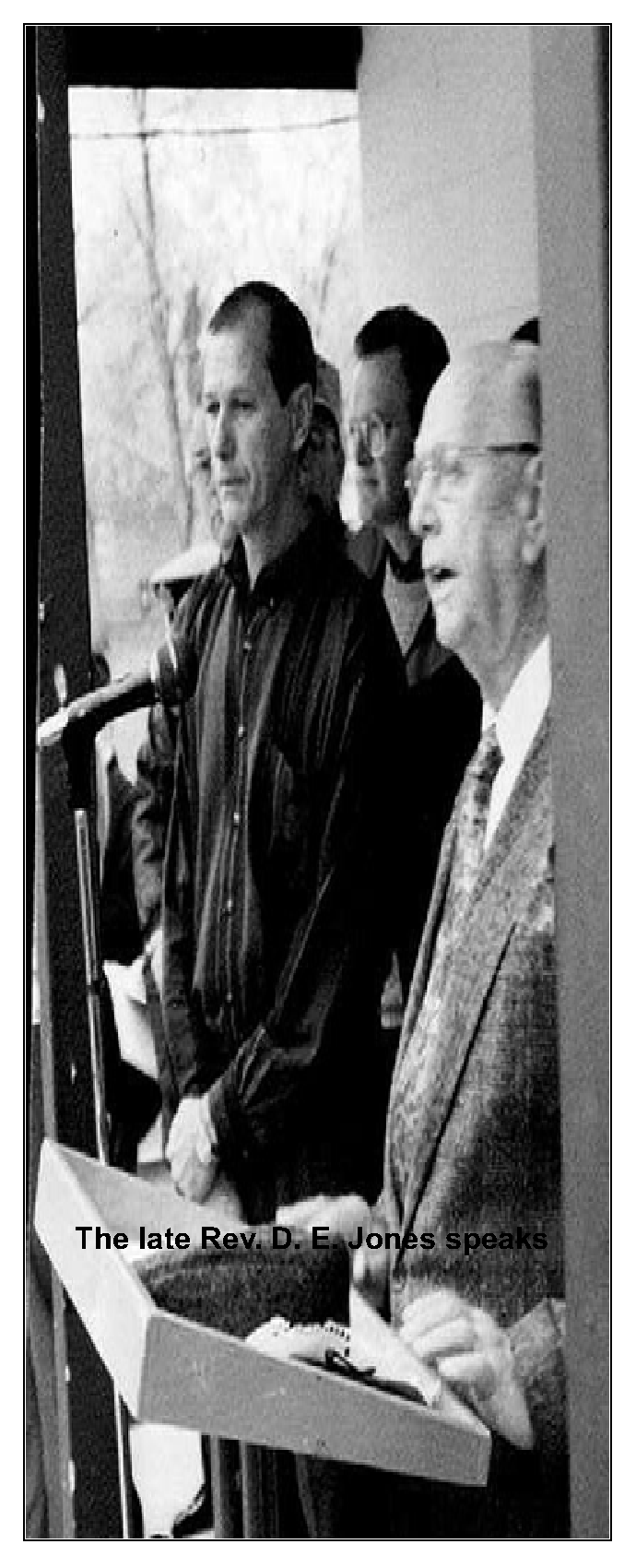
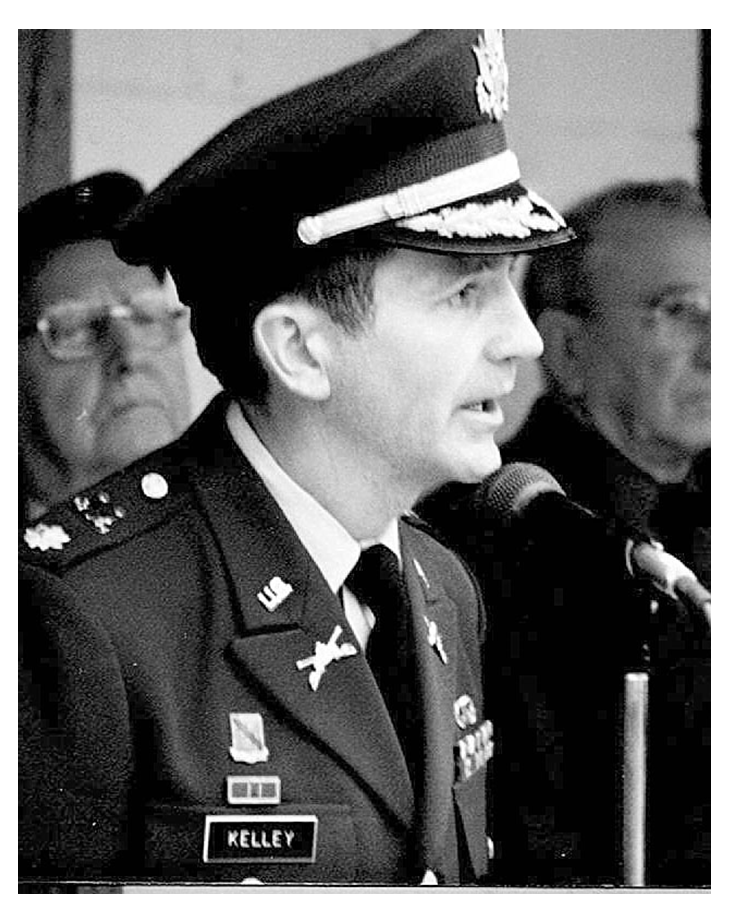
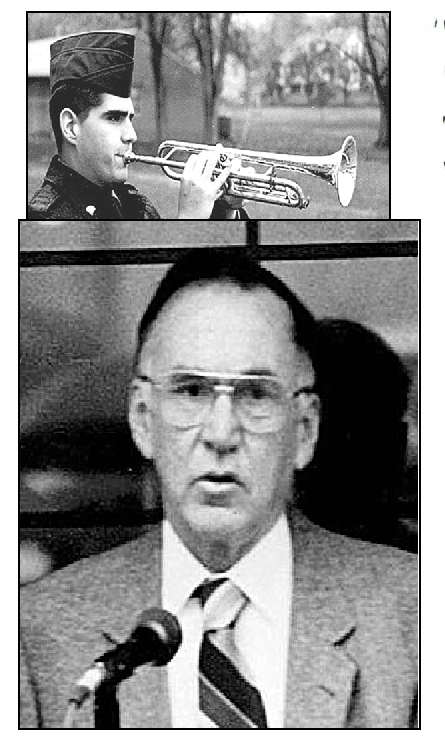
When rain and mud forced the ceremony off the hill, the event moved to the American Legion hall—but reenactors insisted the soldiers would not retreat indoors. The crowd stood outside in the drizzle as Rev. D. E. Jones, Richard Briggs, Lee Prince, and Maj. Kevin Kelley spoke about sacrifice, memory, and duty. A Marine color guard, black-powder volleys, and the echo of taps turned a simple program into a defining moment: the forgotten soldiers of Fort Duffield would never be forgotten again.