Civil War Construction & Purpose
Building the Fort
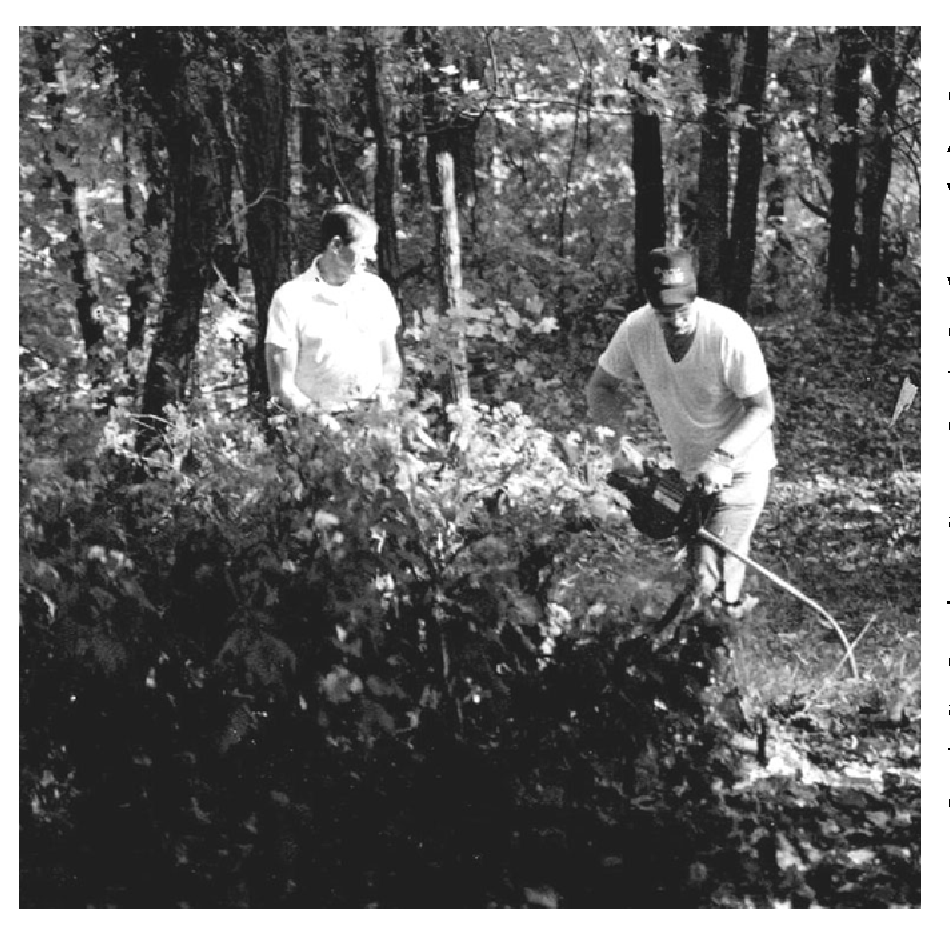
Fort Duffield was built quickly in late 1861 by men who had only recently mustered into service. Many were farmers and laborers from Michigan and Indiana, suddenly tasked with constructing a fort on a steep Kentucky hill. They dug trenches, built parapets, and hauled timber and earth with simple tools and sheer effort.
“I tried to think of the hardships the men had to endure… carrying ammunition and other supplies up the hill from the river below.”
Life on the Hill
Conditions on Fort Hill were harsh. The climb was exhausting, the weather unpredictable, and disease a constant threat. Soldiers lived in tents and makeshift shelters while they worked, and many of the men buried in the cemetery died not from battle, but from illness and exposure.
Purpose of the Fort
Fort Duffield was designed to protect Sherman’s supply base at West Point, not to withstand a prolonged siege. Its position allowed Union troops to watch the river, guard the Louisville–Nashville corridor, and respond quickly to any Confederate threat. Even without a major battle, the fort fulfilled its mission by deterring attacks.
The Cemetery as a Silent Record
The cemetery on Fort Hill records the human cost of this construction and occupation. Sixty-one known Union soldiers were buried there, their graves originally marked by fieldstones later thrown over the hill during a Depression-era cleanup. The modern restoration returned dignity to these men and highlighted the fort’s role in the broader war.