FORT DUFFIELD
A Civil War Legacy
Walk the trails, learn about its significance, and experience living history programs
that bring the past to life.
★ UNION ARMY ★
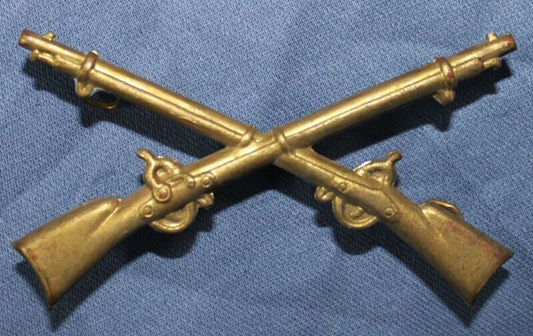
Union Army • Defending Kentucky • 1861
Fort Duffield was constructed in late 1861 as Union forces moved to secure Kentucky during the opening months
of the Civil War. Positioned atop Pearman Hill, the fort commanded the junction of the Ohio and Salt Rivers —
a vital artery for troop movement and supply distribution. Its placement ensured Union control over the region
during one of the most uncertain periods of the war.
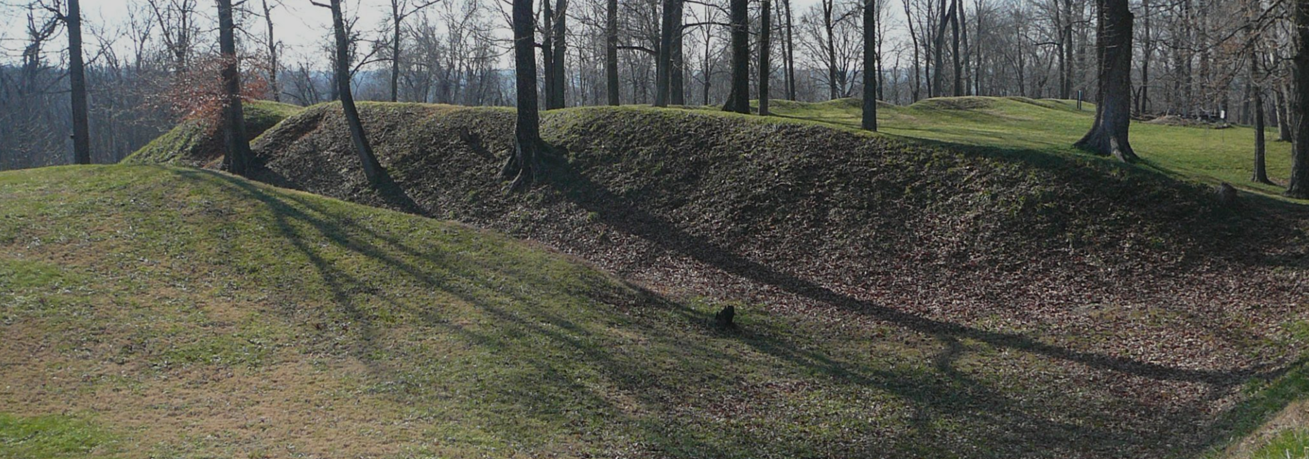
The preserved earthworks of Fort Duffield show the hand‑shaped defenses carved by Union soldiers in 1861.
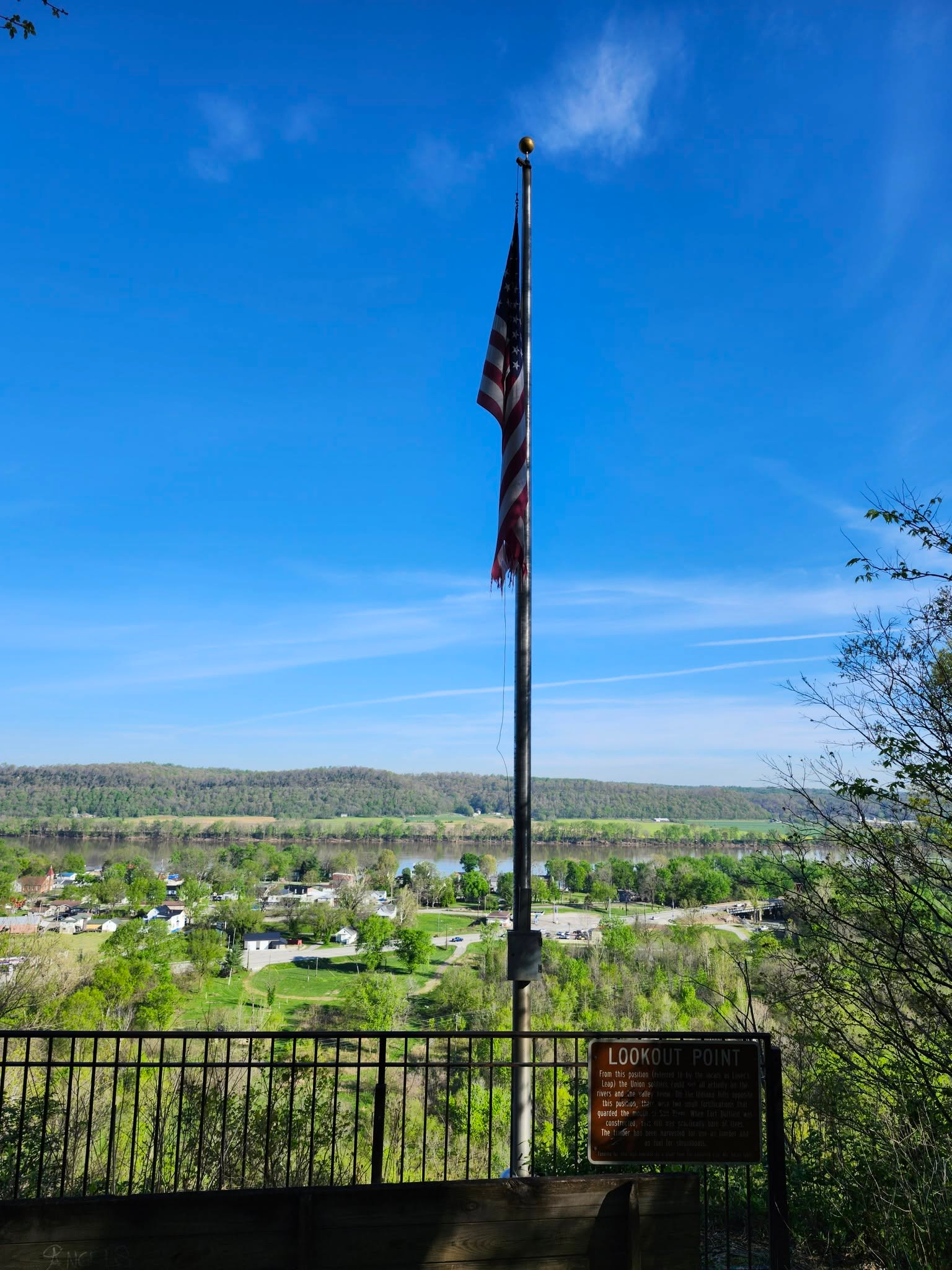
From this overlook, Union troops watched the Salt River Valley — a lifeline for supplies moving south.
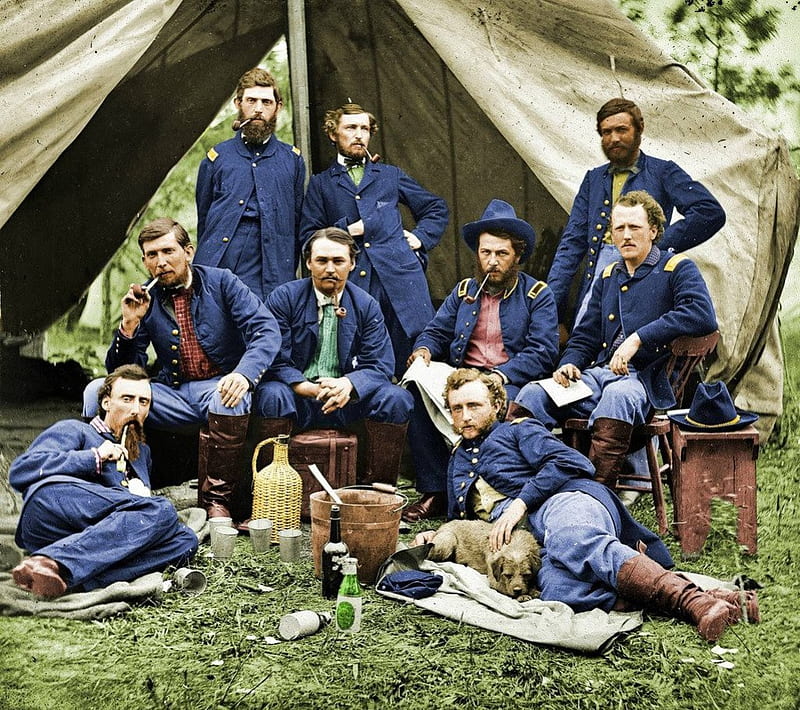
Soldiers of the 9th Michigan and 1st Wisconsin endured bitter cold, disease, and constant labor at the fort.
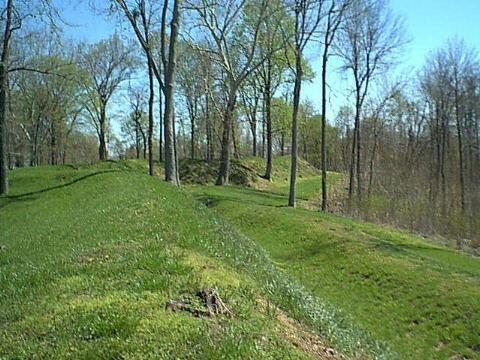
The massive south wall earthworks show the scale of Duffield’s defensive construction overlooking West Point.
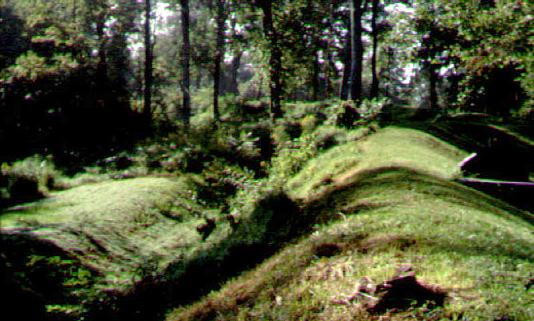
The trailhead leading up Pearman Hill follows the same path Union soldiers climbed in 1861.
The steep hillside approach reveals why Duffield’s elevated position made surprise attacks nearly impossible.
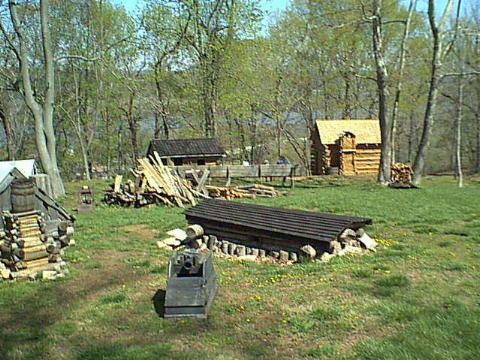
The central area of the fort once held troop shelters, supply stacks, and defensive firing positions.
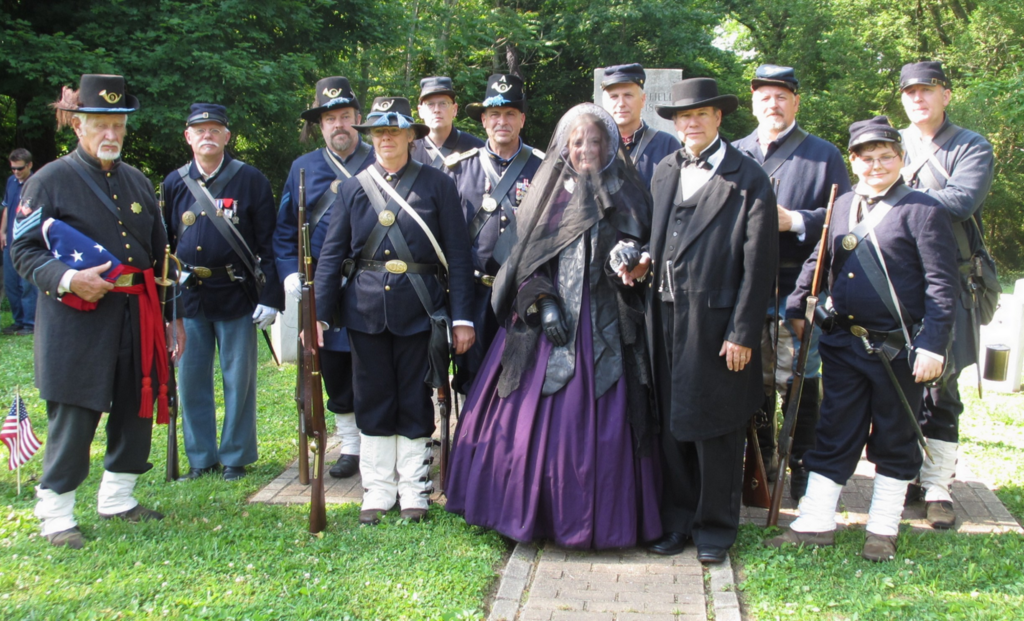
Modern ceremonies honor the soldiers who served and died here, preserving Duffield’s legacy for future generations.
Construction & Layout
Built rapidly during the winter of 1861–62, the fort’s V‑shaped earthworks allowed defenders to sweep the slopes
with musket fire. Timber, brush, and packed soil reinforced the walls, while the elevated ridge made surprise
attacks nearly impossible.
Life on the Hill
Garrison life was harsh. The men endured bitter cold, limited rations, and outbreaks of disease. More soldiers
died from illness than combat, and the cemetery below the fort stands as a solemn reminder of their sacrifice.
Strategic Importance
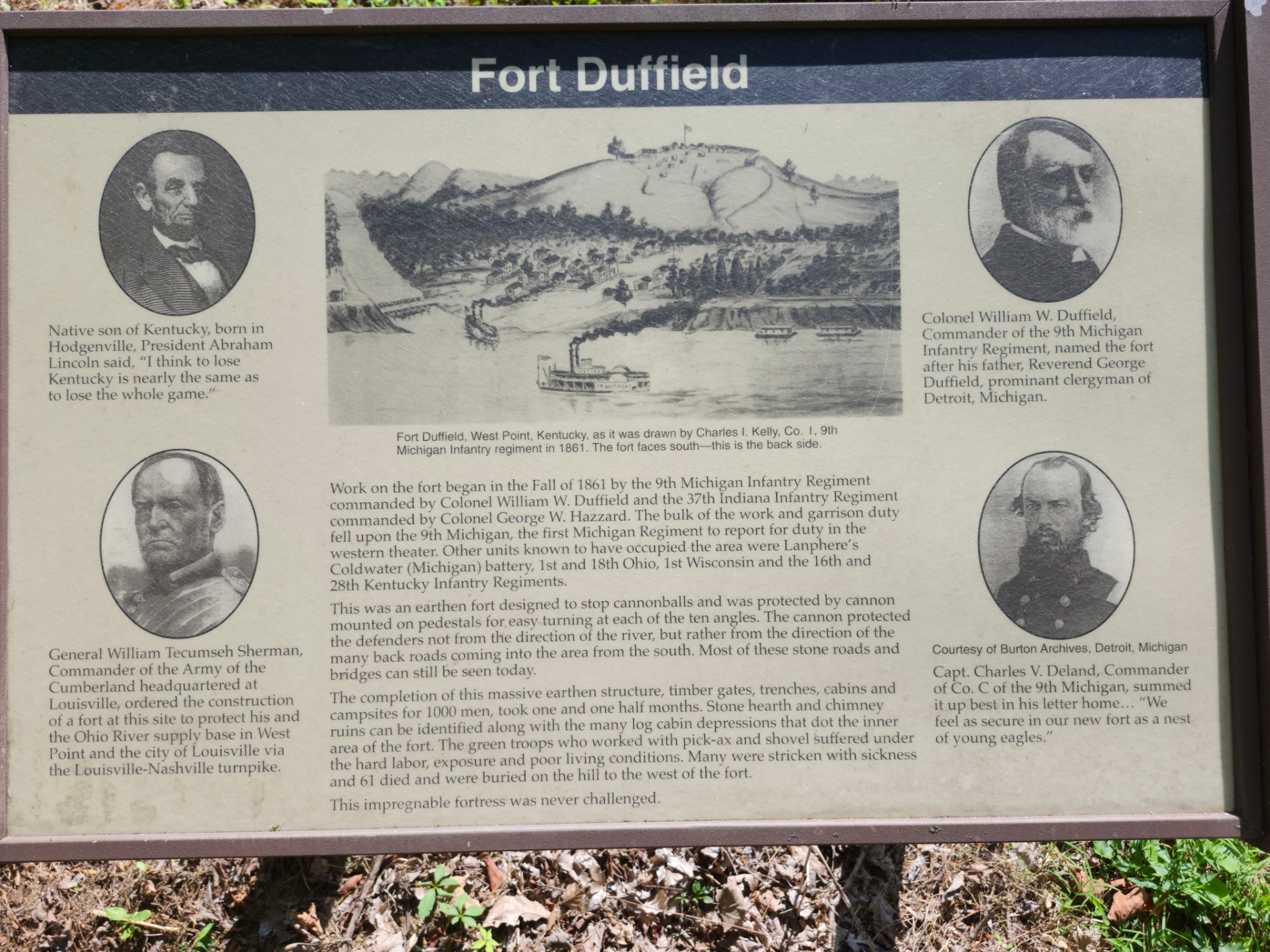
General William T. Sherman recognized West Point’s importance early in the war. With no railroad passing through
the town, the rivers and wagon roads became lifelines. Fort Duffield ensured these routes remained in Union hands,
supporting Lincoln’s insistence that “I must have Kentucky.”
After the War
After the Battle of Perryville, the war shifted south. Fort Duffield was gradually abandoned, its artillery removed
and its trenches left to the elements. Yet the fort remained largely untouched for more than a century, preserving
one of the best examples of early‑war Union earthworks in the nation.