This archive brings together original documents, maps, military reports, soldier accounts,
and engineering records related to Fort Duffield and Louisville’s Civil War defenses.
These sources form the foundation of our research and interpretive work.
Fort Duffield Documents
Primary Documents
- Fort Duffield Construction Notes (1861–62)
- West Point Supply Depot Records
- Stuckey Gun Test Report
- Halladay Letters (9th Michigan Infantry — compiled transcription)
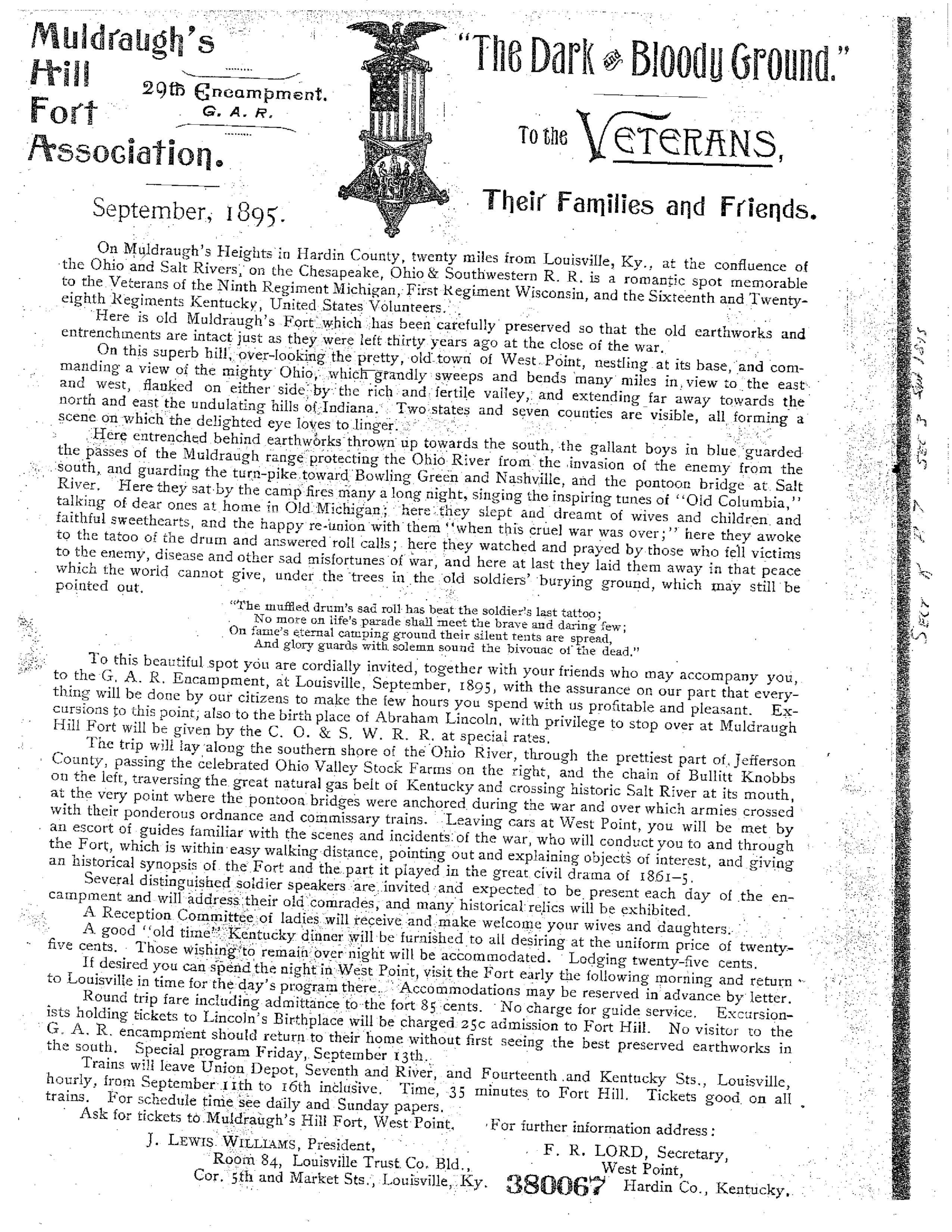
- Original 1895 Reunion Letter (image)
- Louisville G.A.R. 29th Encampment Souvenir & Official Programme
- How Fort Duffield Got Its Name
- Fort Duffield — Historical Overview
- First Skirmish at West Point
- Colonel William W. Duffield — “Kind Commander”
- Robert H. Hendershot — Historical Profile
- “Stand Up For Jesus” — The Rest of the Story
Interpretive References
- Overview of Fort Duffield’s 1861 construction from the “Construction of the Fort” page.
- Insights into daily life at the fort from the “Garrison Life” page.
- Interpretive discussion of Fort Duffield’s role in protecting the L&N Railroad and river landings from the History section.
- Context on veterans’ memory and commemoration from the reunion letter and G.A.R. encampment programme.
Related Pages
Louisville Defensive Line (1864–65)
Primary Documents
- Engineer Report on Louisville Defences (1864)
- Fort Locations & Armament Summary
- L&N Railroad Military Use Documents
- Major Civil War Forts & Camps in Hardin County, Kentucky
Interpretive References
- Overview of Louisville’s 10½‑mile defensive arc from the Research overview and Walking Tour introduction.
- Descriptions of each fort’s role and location from the “Walking & Driving Tour of Louisville’s Lost Civil War Forts” page.
- Context on the feared Confederate attack and Louisville’s strategic importance from the History section.
- Interpretive notes on USCT service and labor along the defensive line from Research and interpretive text.
Related Pages
Maps & Surveys
Primary Documents
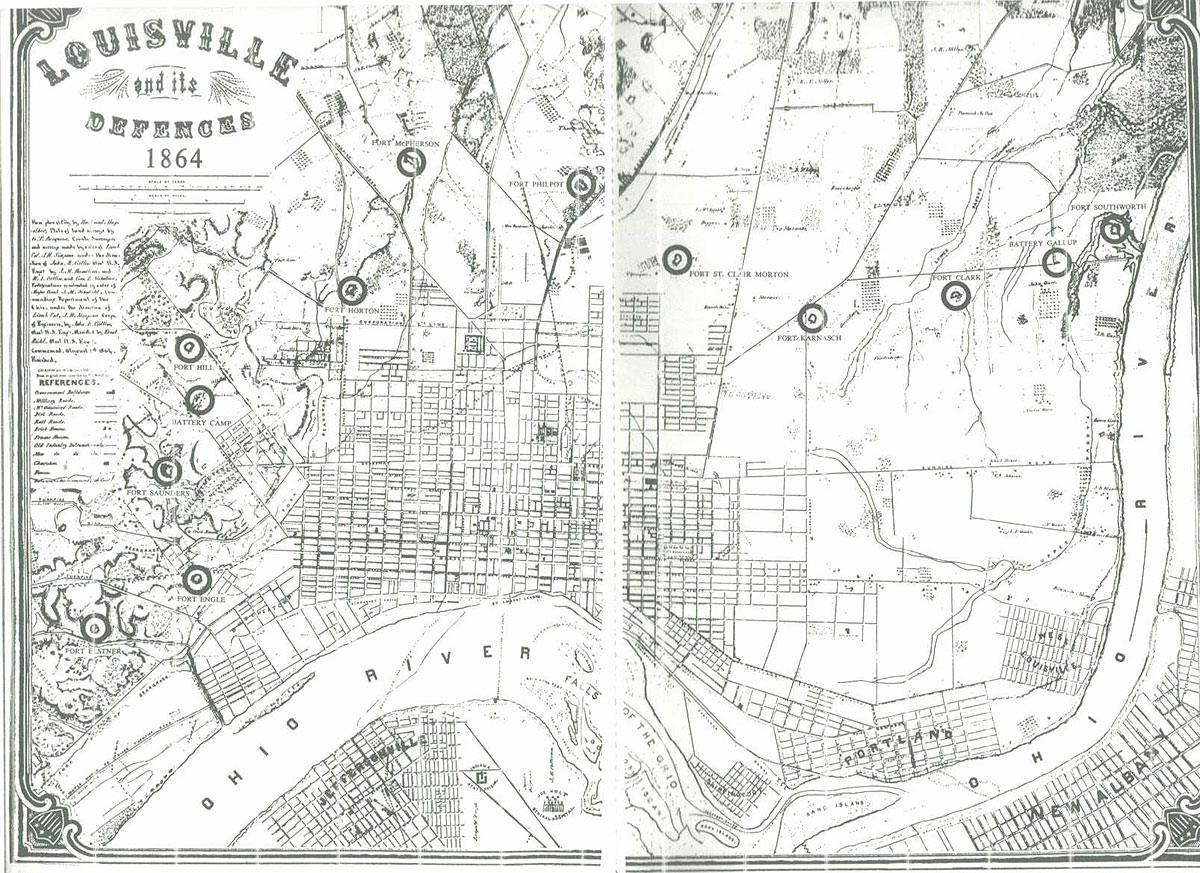
- Louisville Defences Map (1864)
- Fort Duffield Topographic Sketch
- West Point River Landings Map
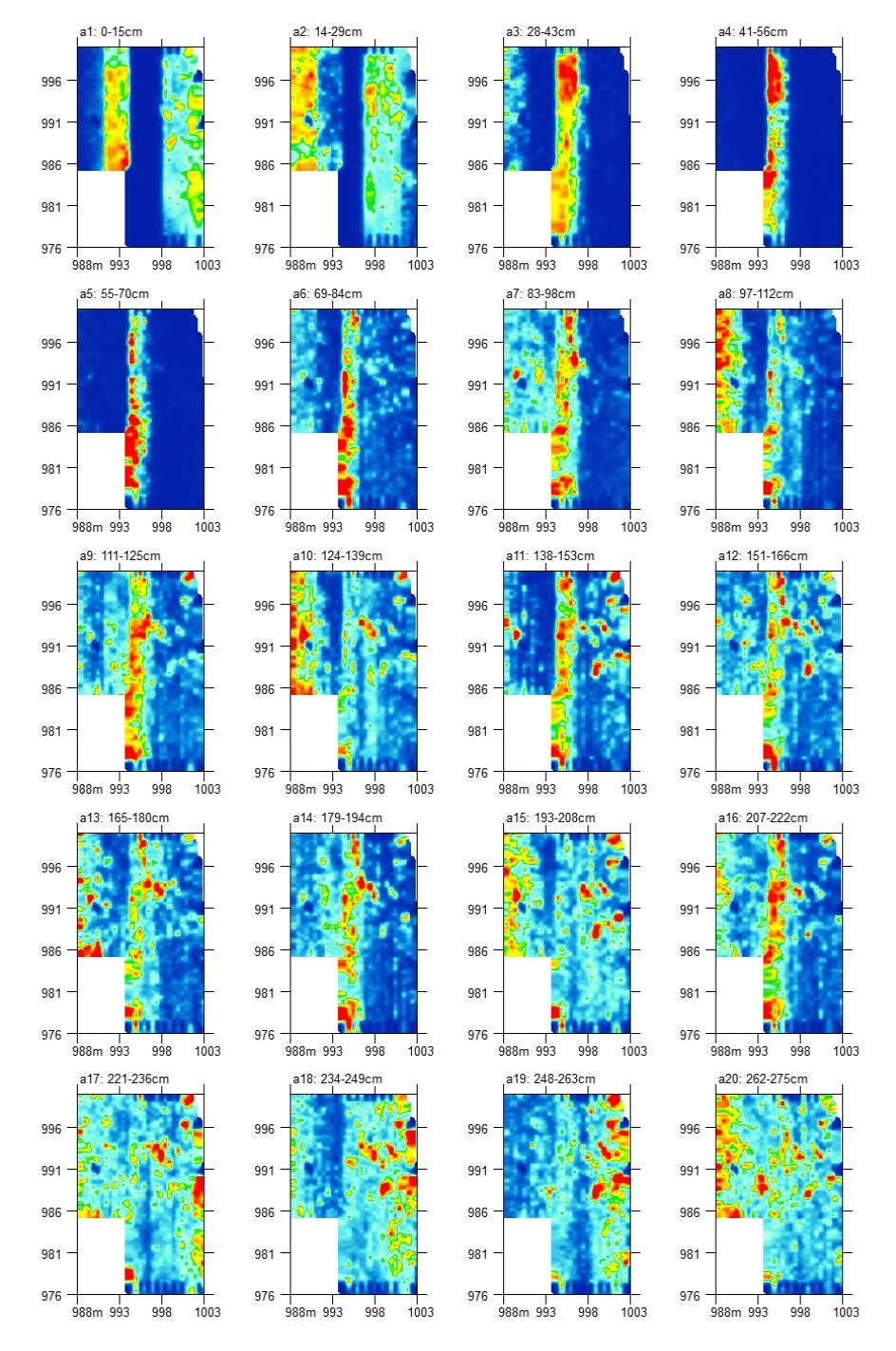
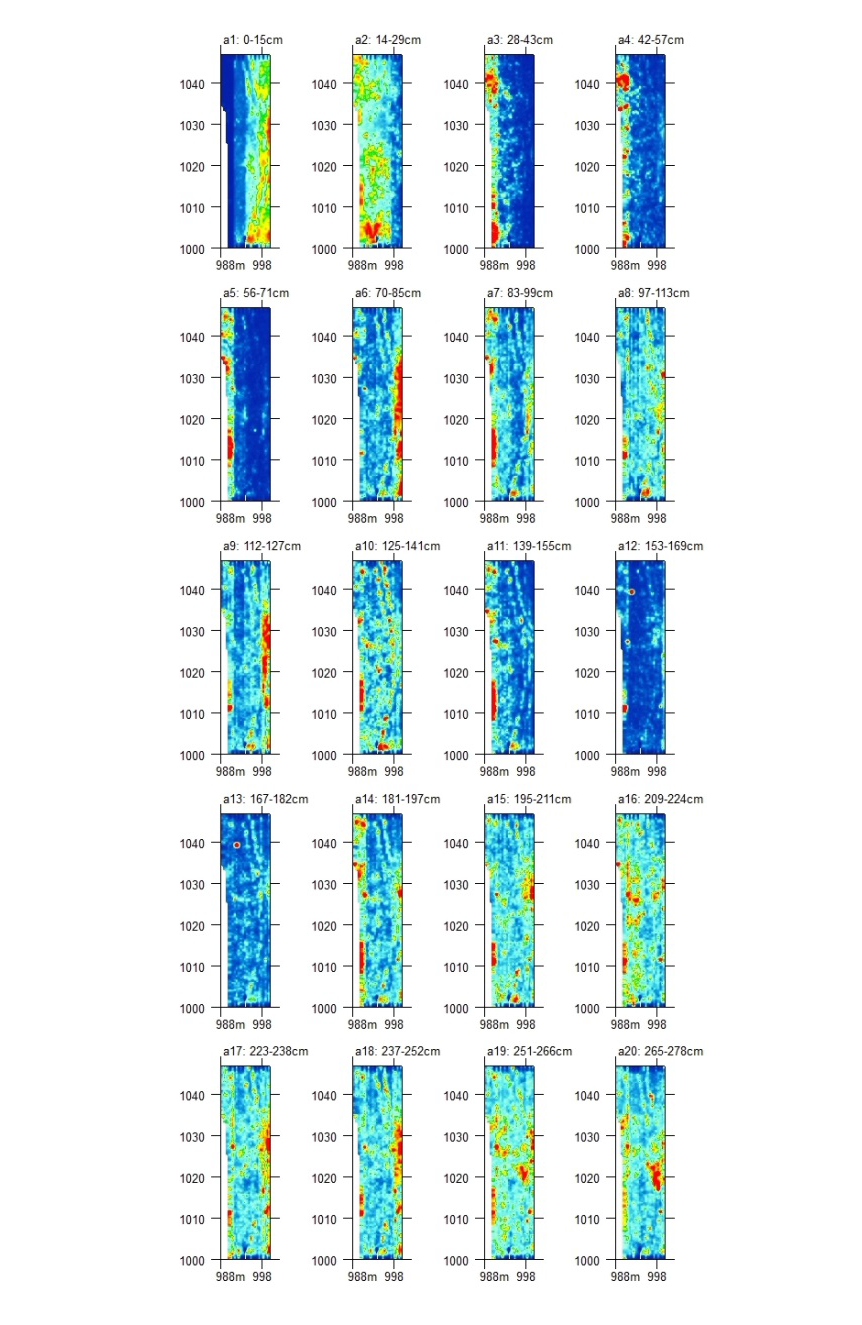
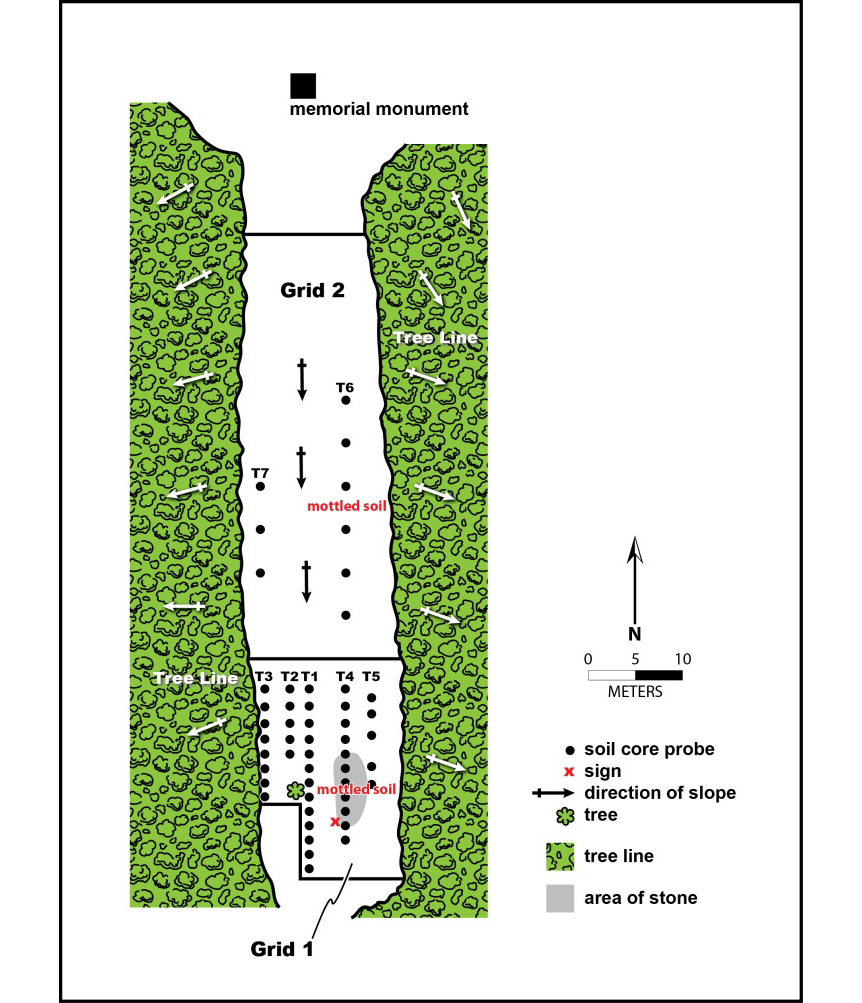
- Archaeological Investigations at Fort Duffield (November 1999)
- Survey / GPR Figure 4‑1
- Survey / GPR Figure 5
- Survey / GPR Figure 6b
Interpretive References
- Overview of how the 1864 map illustrates the full defensive arc around Louisville from the Research section.
- Discussion of Fort Duffield’s position relative to the river and rail lines from the History and Research pages.
- Interpretive notes on West Point’s role as a supply and river landing hub from Points of Interest and History pages.
- Summary of archaeological and survey findings from the Archaeological Investigations and GPR discussions.
Related Pages
Soldier Accounts & Diaries
Primary Documents
- Union Soldier Diary — Kentucky Campaign
- Letters from Muldraugh Hill
- Camp Life of the 9th Michigan Infantry
- Halladay Letters (9th Michigan Infantry — compiled transcription)
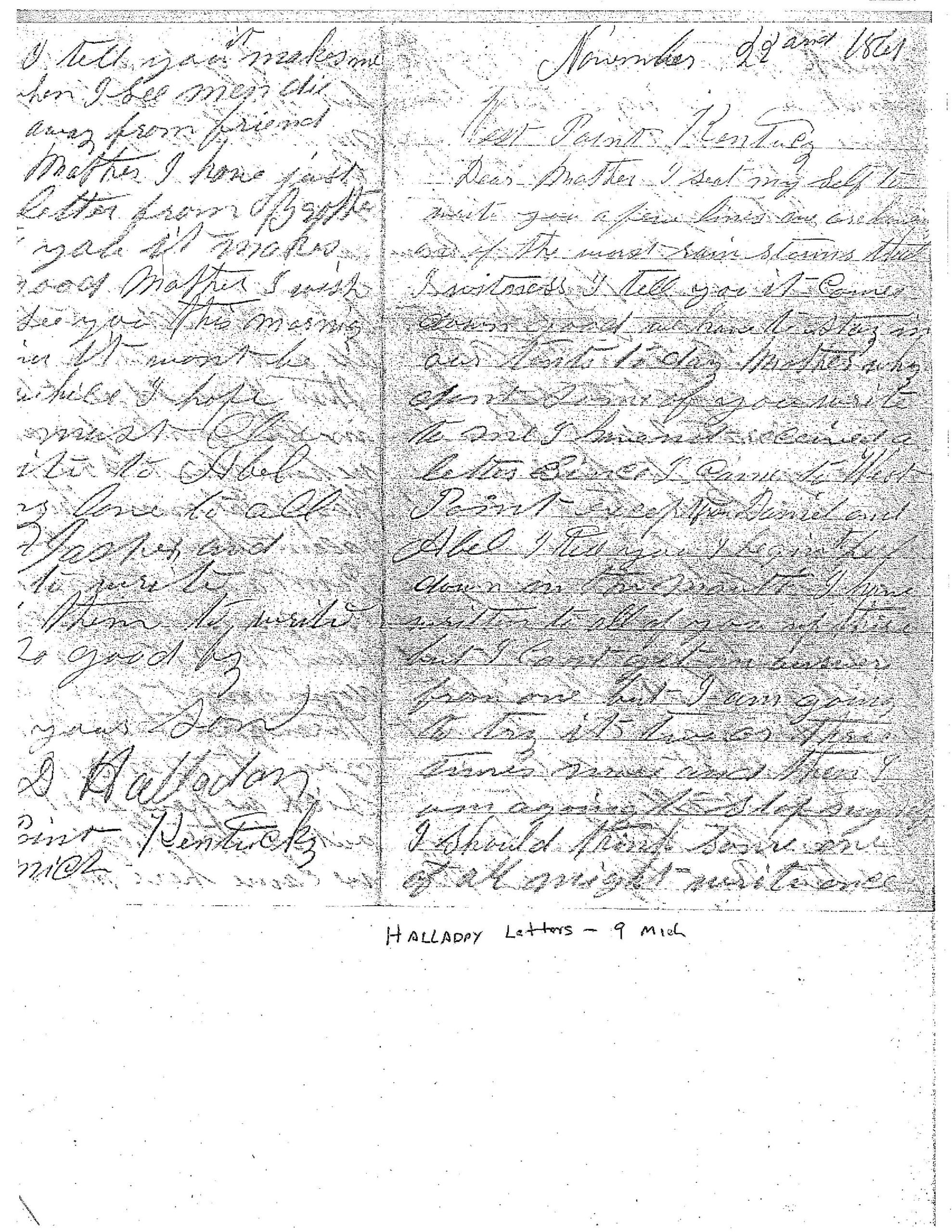
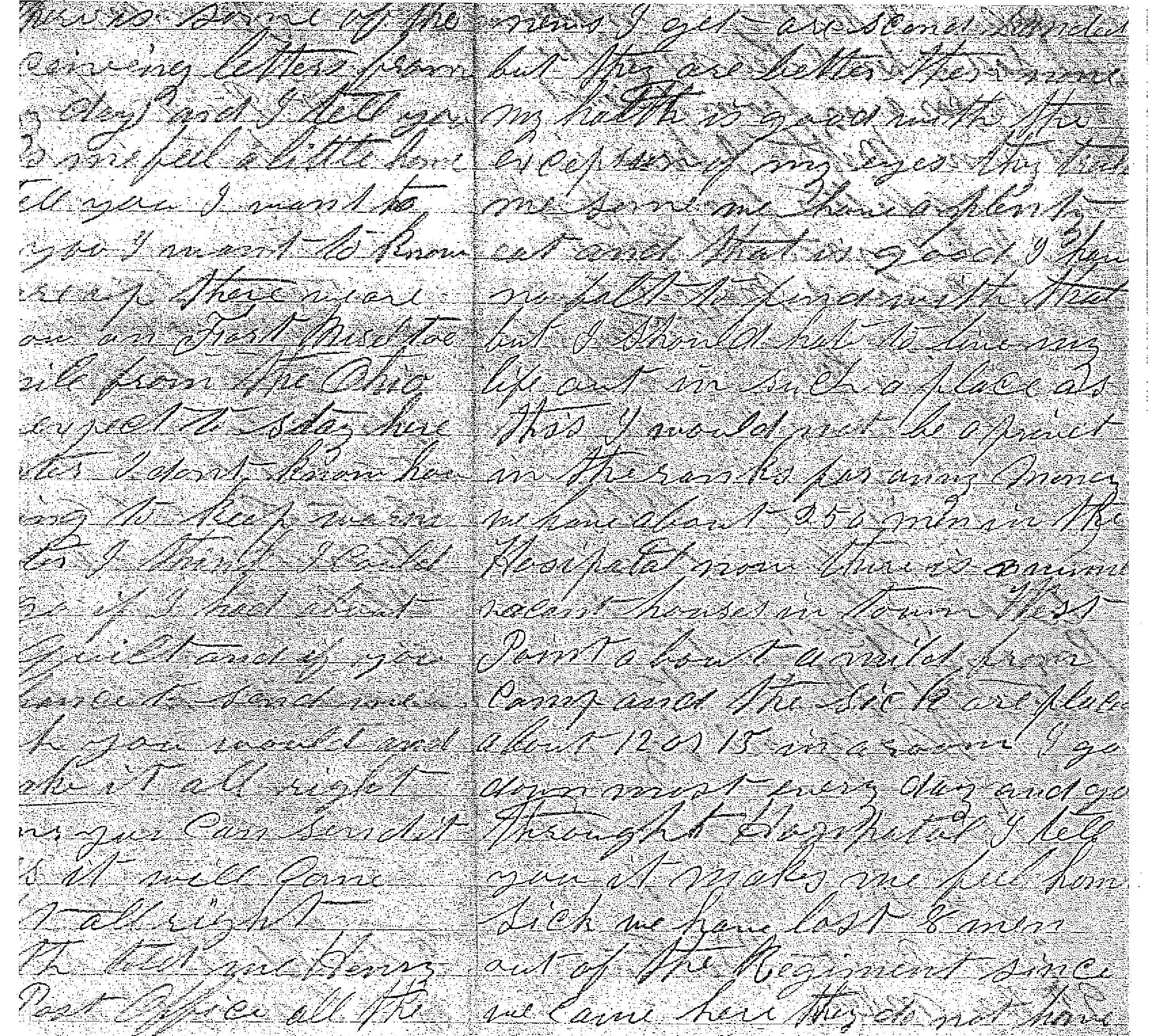
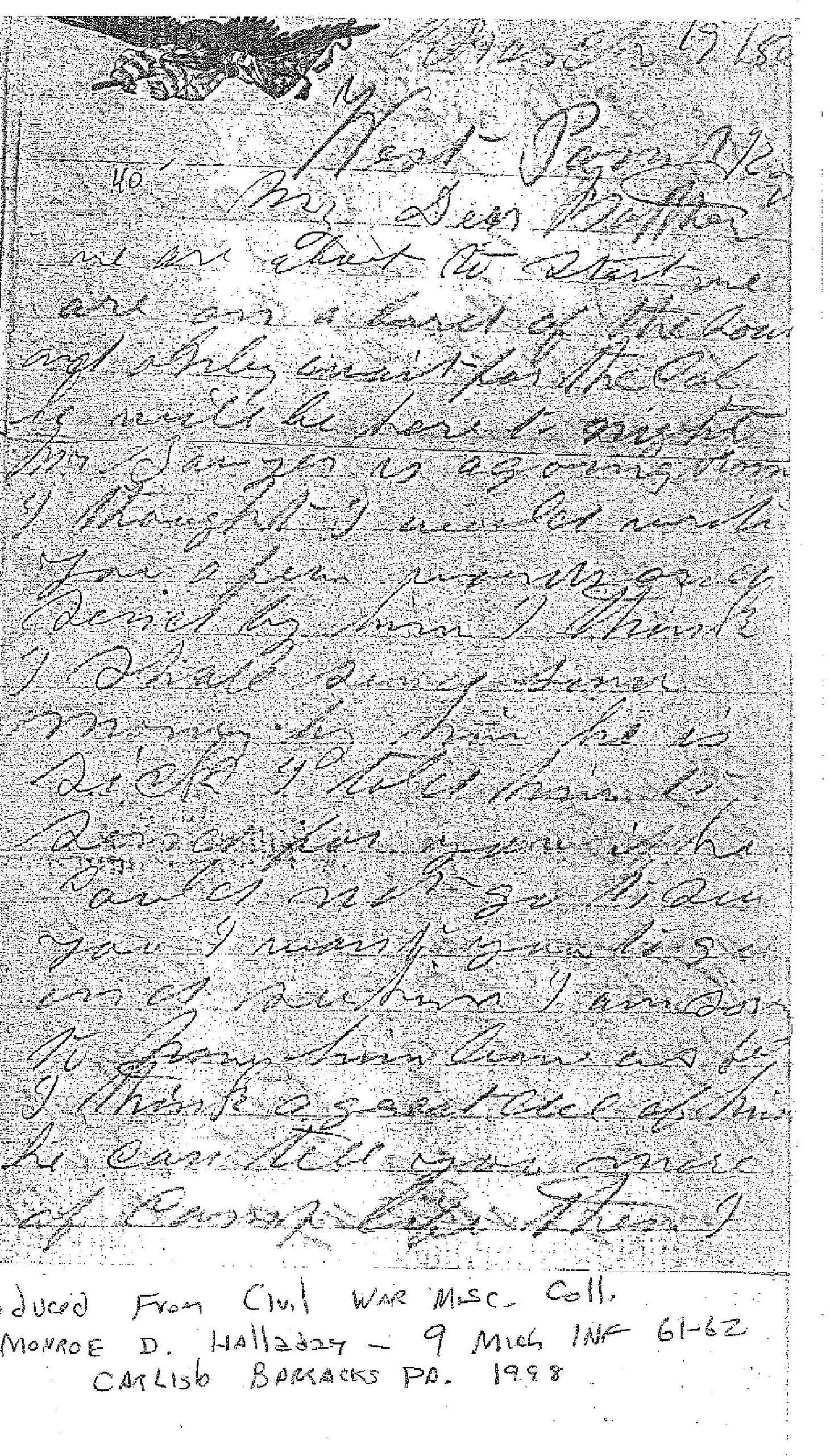
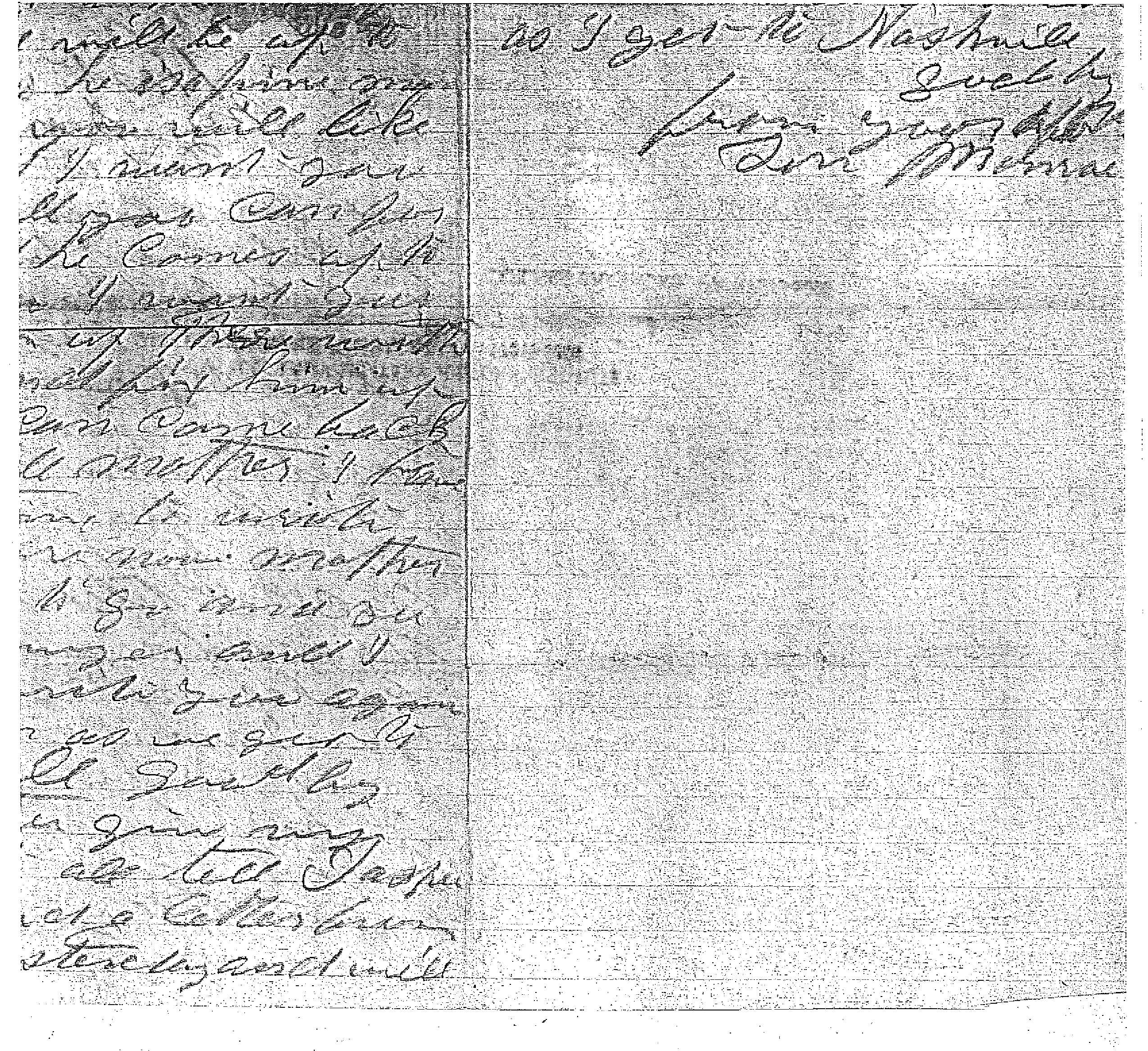
- Halladay Letter — Original Manuscript Page 1
- Halladay Letter — Original Manuscript Page 2
- Halladay Letter — Original Manuscript Page 3
- Halladay Letter — Original Manuscript Page 4
- Captain Charles V. DeLand Letter — November 12, 1861
- Captain Charles V. DeLand Letter — November 28, 1861
- Pvt. John C. Love Letter — November 1, 1861
- Pvt. John C. Love Letter — November 7, 1861
- Pvt. John C. Love Letter — November 20, 1861
- Pvt. John C. Love Letter — December 1, 1861
- Pvt. John C. Love Letter — December 20, 1861
- Pvt. Albert N. Adams Letters — 9th Michigan Infantry (1861–62)
- Archaeological Survey 418 — Chapters 1 & 2 (PDF)
- Archaeological Survey 418 — Chapter 3 (PDF)
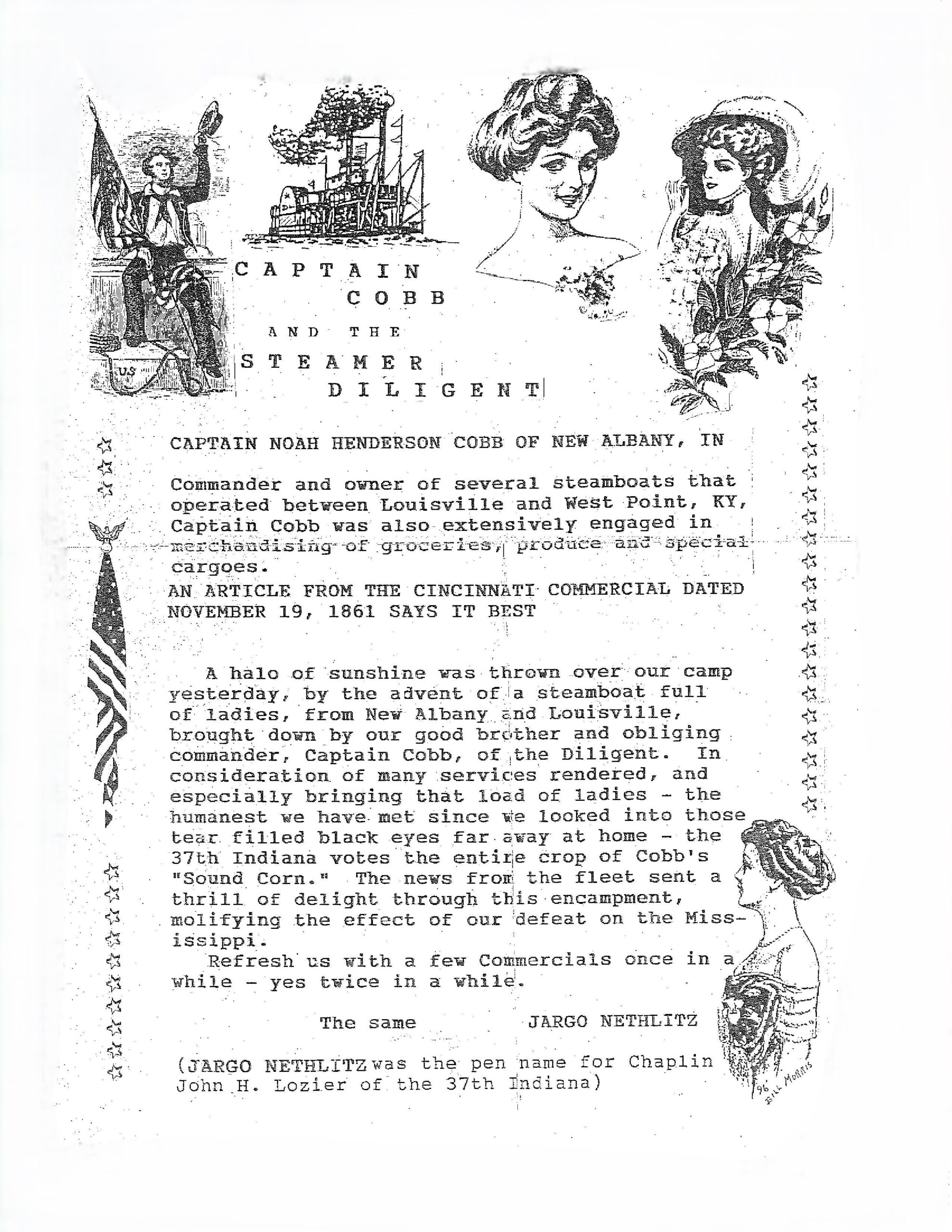
- John H. Lozier (aka “Jargo Nethlitz”) — Portrait
Interpretive References
- Interpretive summaries of Halladay and DeLand letters from the 9th Michigan Infantry letter pages.
- Insights into homesickness, duty, and camp life from the Love, Halladay, and DeLand letter introductions.
- Enlisted‑man perspectives on camp life, sickness, and fort construction from the letters of Pvt. Albert N. Adams.
- Context on the Kentucky Campaign and Muldraugh Hill from the Research and History sections.
- Reflections on memory, identity, and postwar life from biographical notes on John H. Lozier and other veterans.
Related Pages
Engineering & Logistics
Primary Documents
- Army Engineering Manual (1861 Excerpts)
- Military Roads & Bridges in Kentucky
- Quartermaster Reports — Louisville District
- Manual of Arms
- Fox Bridge over Salt River
Interpretive References
- Overview of how engineering doctrine shaped the design of Fort Duffield and nearby defenses from the History and Research sections.
- Context on military roads, bridges, and supply routes supporting Louisville and West Point from the Research and Points of Interest pages.
- Interpretive notes on quartermaster operations, provisioning, and logistics in the Louisville District from related History content.
- Summary of how archaeological and engineering evidence together inform our understanding of the fort’s construction and use.
Related Pages