River. More than a simple crossing, it was a symbol of progress — linking communities,
supporting commerce, and providing a vital route for travelers, farmers, and soldiers. Its
story reflects both the promise and the challenges of early 20th‑century transportation.
A Bridge Named for Lincoln
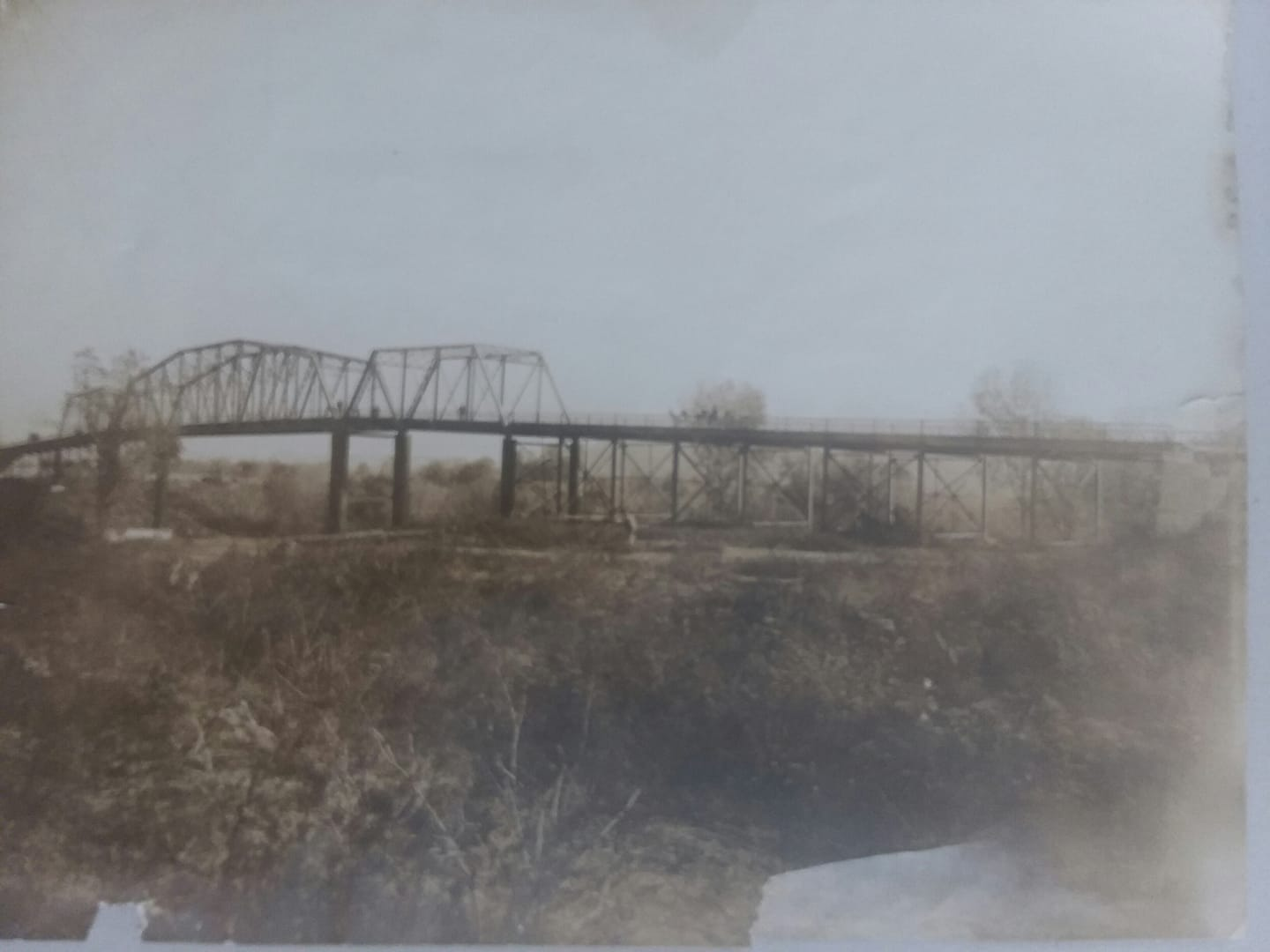
Historic view of the Lincoln Bridge at West Point, KY (c. 1914–1942)
Completed in 1914, the Lincoln Bridge was named in honor of Abraham Lincoln, whose
father, Thomas Lincoln, had launched a flatboat from West Point in 1806. The bridge provided
a dependable crossing between Kentucky and Indiana at a time when ferries were still common
and river travel could be unpredictable.
Its steel trusses and timber approaches represented a new era of infrastructure — one that
connected rural communities to larger markets and modern roads.
Engineering on the Ohio River
The Lincoln Bridge was a typical early‑20th‑century truss design, built to withstand the
Ohio River’s seasonal fluctuations. Its construction required careful planning, skilled
labor, and coordination across state lines. For West Point, the bridge was more than a
structure — it was a statement of growth and connection.
Farmers used it to reach markets. Travelers used it to reach Louisville or Indiana towns.
Soldiers and supplies crossed it during the early Camp Knox years. The bridge became part of
the daily rhythm of life.
Floods and the Fight to Keep the Bridge Open
The Ohio River’s power was a constant challenge. High water frequently damaged the timber
approaches, and ice flows in winter threatened the piers. Maintenance was ongoing, and
closures were not uncommon. Still, the bridge endured — a testament to both engineering and
community determination.
The devastating 1937 Flood tested the bridge as never before. Though the structure
survived, the surrounding roads and approaches suffered severe damage.
The End of an Era (1942)
By the early 1940s, the Lincoln Bridge had reached the end of its useful life. Increased
automobile traffic, heavier vehicles, and wartime transportation needs demanded stronger,
wider, and more modern infrastructure. In 1942, the bridge was dismantled.
For longtime residents, its removal marked the end of a familiar landmark — a structure that
had served generations and connected West Point to the wider world.
A Legacy Remembered
It represents a moment when the town embraced modern transportation, linked communities across
the river, and stepped into the 20th century with confidence.
Today, only photographs and memories preserve the bridge’s place in local history — but its
impact on the region endures.
© 2026 Fort Duffield • History Section