The ridge above West Point was more than a military outpost. For the young volunteers of the 9th Michigan Infantry and other regiments who passed through, Fort Duffield was a place of cold, sickness, fear, and uncertainty—but also of faith, hope, and spiritual resilience. Life on the ridge was harsh and often lonely. Many of the men, away from home for the first time, faced illness, homesickness, and the uncertainty of a war whose outcome was far from clear.
In this environment, spiritual life became a lifeline. Chaplains, worship services, hymns, prayer meetings, and simple acts of kindness helped soldiers endure the winter of 1861–62 on the ridge above West Point. Fort Duffield was not only a defensive work of earth and timber—it was also a place where men sought comfort, hope, and meaning amid hardship.
Quick Links
Chaplain James G. Portman — 9th Michigan Infantry
9th Michigan Infantry
Chaplain James G. Portman served as the spiritual leader of the 9th Michigan Infantry, the regiment ordered to construct Fort Duffield in the fall of 1861. His work extended far beyond Sunday services.
Portman visited the sick, wrote letters home for the dying, conducted funerals, and offered prayer and counsel to young soldiers far from home. During the deadly wave of disease that swept through the camp, his presence became one of the few sources of emotional and spiritual stability.
Many of the earliest burials in what became the Fort Duffield Memorial Cemetery would have been conducted under his care. Though no photograph of Portman survives, his influence is felt in the stories of the men who endured the winter on Pearman Hill.
Chaplain John Hogarth Lozier — “The Fighting Chaplain”
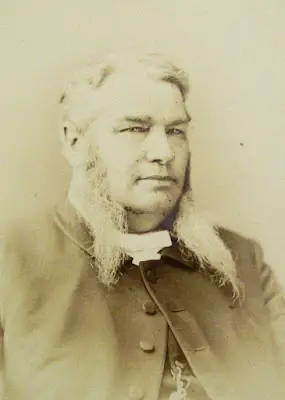
Rev. John Hogarth Lozier, chaplain of the 37th Indiana Infantry, camped at West Point during the same period that the 9th Michigan was building Fort Duffield. Though not part of the regiment that constructed the fort, Lozier left some of the most vivid descriptions of soldier life in the area.
Known nationally as “The Fighting Chaplain,” Lozier was a charismatic preacher and gifted storyteller. His accounts describe mud, cold, humor, makeshift worship, and the emotional highs and lows of camp life. After the war, he transformed these experiences into patriotic and comedic performances that made him famous across the country.
Lozier’s writings help interpret the broader military community surrounding Fort Duffield and give voice to the daily realities of the men who passed through West Point.
Worship on the Ridge
Worship at Fort Duffield was simple and improvised. Services were held outdoors or in crude shelters, often around campfires or in cleared spaces near the soldiers’ huts. Men from different denominations gathered together, united more by shared hardship than by formal doctrine.
Chaplains read Scripture, led prayers, and preached sermons tailored to the fears and hopes of young volunteers. In the cold and uncertainty of the winter of 1861–62, these gatherings offered a sense of normalcy and connection to home.
Portman led quiet, steady services focused on Scripture and comfort, offering reassurance to sick and homesick soldiers.
Lozier, by contrast, preached with humor and energy, turning even muddy, miserable conditions into moments of shared encouragement.
Together, they represent the range of spiritual leadership experienced on the ridge.
Songs & Hymns of Comfort
Music and hymns were central to spiritual life at Fort Duffield. Familiar songs reminded soldiers of home, family, and the values they believed they were defending.
Hymns and Songs Sung by Civil War Soldiers
“Stand Up, Stand Up for Jesus” — A Duffield Family Hymn
One of the most meaningful hymns connected to the story of Fort Duffield is “Stand Up, Stand Up for Jesus”, written in 1858 by Rev. George Duffield Jr. of Detroit — the father of Colonel William W. Duffield, commander of the 9th Michigan Infantry and the man for whom the fort is named.
The hymn was widely known among Michigan congregations before the Civil War, and many of the men who built Fort Duffield would have grown up singing it. Its themes of courage, steadfastness, and duty resonated deeply with early‑war volunteers facing hardship on the ridge above West Point.
Stand Up, Stand Up for Jesus
Stand up, stand up for Jesus,
Ye soldiers of the cross;
Lift high His royal banner,
It must not suffer loss.
From vict’ry unto vict’ry
His army shall He lead,
Till every foe is vanquished,
And Christ is Lord indeed.Stand up, stand up for Jesus,
The trumpet call obey;
Forth to the mighty conflict
In this His glorious day.
Ye that are men now serve Him
Against unnumbered foes;
Let courage rise with danger,
And strength to strength oppose.Stand up, stand up for Jesus,
Stand in His strength alone;
The arm of flesh will fail you,
Ye dare not trust your own.
Put on the gospel armor,
Each piece put on with prayer;
Where duty calls or danger,
Be never wanting there.Stand up, stand up for Jesus,
The strife will not be long;
This day the noise of battle,
The next the victor’s song.
To him that overcometh
A crown of life shall be;
He with the King of Glory
Shall reign eternally.
While we cannot confirm it was sung at Fort Duffield, it was one of the most popular hymns in Union camps, and its direct connection to the Duffield family makes it uniquely significant to the fort’s story.
Read “Stand Up for Jesus: The Rest of the Story” (PDF) →
“Rock of Ages”
A beloved hymn of comfort, often sung at bedside and at funerals. Its words spoke directly to soldiers facing illness and danger.
“Nearer, My God, to Thee”
A hymn of closeness to God in times of trial. For men far from home, it expressed both longing and hope.
“My Country, ’Tis of Thee”
A patriotic song that reminded soldiers of the cause for which they served and the nation they hoped to preserve.
“Just Before the Battle, Mother”
Though more sentimental than strictly religious, this song captured the emotional bond between soldiers and their families at home.
Burial Rites and the Early Cemetery
Disease claimed more lives at Fort Duffield than combat ever did. When a soldier died, chaplains played a solemn and essential role. They prepared the body, led prayers, and conducted graveside services attended by the soldier’s comrades.
Although no detailed burial records survive from Fort Duffield’s earliest months, the U.S. Army’s standard practices in 1861–62 and the writings of Chaplain John Hogarth Lozier provide a clear picture of how soldiers were laid to rest.
Chaplain James G. Portman bore the heaviest burden during the winter of 1861–62. As disease swept through the 9th Michigan, he conducted many of the earliest burials on the ridge. His duties included prayer at the bedside, Scripture reading, and writing to families back home—often the most painful task a chaplain performed.
Chaplain Lozier, whose regiment passed through West Point, described funerals in camp as “simple, solemn, and without ceremony, save the words of Scripture and the tears of comrades.” His accounts match what would have occurred at Fort Duffield.
Common Burial Hymns
- “Rock of Ages”
- “Asleep in Jesus”
- “Nearer, My God, to Thee”
- “I Would Not Live Always”
- “On Jordan’s Stormy Banks I Stand”
Because disease claimed more lives than combat during the winter of 1861–62, these quiet burials became a familiar and painful part of life on the ridge above West Point.
Faith and Morale
For many soldiers at Fort Duffield, faith was not a formality—it was a survival tool. Spiritual life helped them cope with fear, endure sickness, maintain discipline, and find meaning in hardship.
Portman’s calm presence helped maintain emotional resilience among the 9th Michigan. He was known for sitting with the sick through the night and offering quiet counsel.
Lozier, meanwhile, believed that laughter was as important as prayer. His dramatic preaching style and storytelling made him a favorite among the men and later fueled his post‑war fame as “The Fighting Chaplain.”
Legacy of the Chaplains
Together, Chaplain James G. Portman and Chaplain John Hogarth Lozier represent two sides of the same story. Portman embodies the quiet, pastoral presence among the men who built Fort Duffield. Lozier provides the vivid, humorous voice that describes the world around it.
Their combined stories illuminate the emotional and spiritual landscape of Fort Duffield’s earliest months. Through their work, we see that the history of the fort is not only about earthworks and strategy—it is also about the inner lives of the soldiers who lived, worshiped, and sometimes died on the ridge above West Point.