Garrison Life at Fort Duffield
Daily routines, hardships, weather, morale, and the lived experience of soldiers stationed at West Point in 1861–62.
Explore Fort Duffield
Follow the fort’s early development, learn about the people connected to it, or explore the
research and primary sources that reveal its story.
Origins & Early History
How Fort Duffield was built, why it mattered, and the role it played in the opening year of the Civil War.
Construction of the Fort
The labor, engineering, and hardship behind building Kentucky’s largest Civil War earthwork.
Research & Primary Sources
Letters, maps, reports, and archaeological studies that help reconstruct the fort’s layout and daily life.
Timeline 1861–1862
A chronological look at the military buildup, construction, and troop movements that shaped Fort Duffield.
Garrison Life
Daily routines, hardships, slang, and the lived experience of soldiers stationed at Fort Duffield.
Burials & Departure
The losses, burials, and final days of the 9th Michigan at Fort Duffield.
weather, limited supplies, and the constant threat of disease. The men who built and defended
Fort Duffield endured conditions that tested their strength, morale, and endurance every day.
How They Suffered
Disease
The greatest threat to soldiers at West Point was illness, not combat.
- Measles
- Pneumonia
- Typhoid fever
- Dysentery
- Chronic diarrhea
- “Camp fever”
Dozens of men from the 9th Michigan died during fort construction — many buried in the cemetery below the ridge.
Sanitation Problems
- Latrines dug too close to tents
- Rain washing waste into camp areas
- Contaminated river water
- Garbage attracting rats and insects
Exhaustion & Exposure
- Cutting hundreds of trees
- Digging trenches and moving earth
- Carrying logs up steep slopes
- Working from dawn to dusk
Wet wool uniforms, leaking tents, and freezing winds led to pneumonia, chills, and constant misery.
Night Alarms & The Battle of the Pickax
entire force was roused four times. The first alarm came when a nervous sentinel mistook a
pickaxe stuck in a stump for a rebel aiming a gun — and fired.
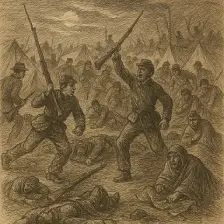
reinforcements rushed up the hill “on the double quick.” The performance repeated three more
times that night as other sentinels “saw something.”
soldiers who imagined “a rebel behind every bush, tree and knob.”
Officer Tension & The Padlock Story
and requested “massive locks” to secure them at night. Colonel Parkhurst, amused, ordered the
quartermaster to send them two toy padlocks less than an inch in diameter.
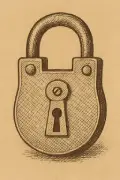
enough for us to hear them twenty-four miles away.”
Morale and Camaraderie
Despite the hardships, soldiers formed strong bonds. They wrote letters home, sang songs,
played cards, and found moments of humor amid the struggle. Music, in particular, became a
way to share grief, hope, and dark humor about army life.
Civil War Slang: How Soldiers Spoke
The men who served at Fort Duffield used a lively vocabulary filled with humor, sarcasm,
and frontier wit.
- Sheet‑iron crackers — hardtack
- Graybacks — lice or Confederate soldiers
- Arkansas toothpick — large knife
- Pepperbox — pistol
- Quick‑step — diarrhea
- Skedaddle — run away quickly
- Goobers — peanuts
- Sunday soldiers — soft troops
- Fresh fish — new recruits
- Bark juice — liquor
- Snug as a bug — cozy
- Top rail #1 — first class
- Hunkey dorey — excellent
- Horse sense — good judgment
- Played out — worn out
Daily Routines
A soldier’s day followed a strict rhythm:
- 5:00 AM — Reveille
- 5:30 AM — Roll Call
- 6:00 AM — Breakfast
- 7:00 AM–12:00 PM — Work, drill, or guard duty
- 12:00 PM — Dinner
- 1:00 PM–5:00 PM — More work or drill
- 5:30 PM — Supper
- 8:00 PM — Tattoo
- 9:00 PM — Lights Out
Soldiers cut timber, dug trenches, hauled earth, and carried logs up the steep slope of
Pearman Hill — work so exhausting that sick men often collapsed on the climb.
Shelter and Hardship
Tents and Living Conditions
- Sibley tents — 12 men
- A‑frame “dog tents” — 2 men
- Hospital tents
Camps were crowded, bedding minimal, and many slept on bare ground.
Clothing & Weather
- Wet wool uniforms
- Worn-out shoes
- Thin socks
- Gum blankets for rain
The fall and winter of 1861–62 were cold, wet, windy, and muddy.
Songs and Hymns
“Hard Times Come Again No More”
The popular Stephen Foster song was widely known and deeply resonant among soldiers.
“Muldrough’s Hill, or the Soldier’s Complaint”
Written in 1861 by Private John E. Richardson of the 9th Michigan Infantry.
Public Domain