crossroads of frontier settlement, river commerce, and early Kentucky history. The story of West
Point begins with cabins, ferries, salt warehouses, and the families who carved a community out of
the wilderness along the Ohio and Salt Rivers.
Pearman’s Settlement (1776)
The earliest known settlement in the area was established by the Pearman family around 1776.
Located near the mouth of the Salt River, the site served as a stopping point for hunters,
traders, and early migrants moving deeper into Kentucky. This frontier foothold laid the
foundation for what would become West Point.
Founding of West Point (1796)
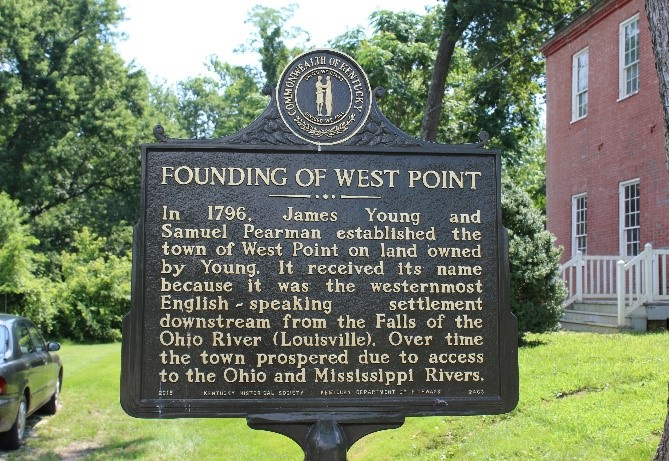
In 1796, the town of West Point was formally established. Its location at the junction of two
rivers made it a natural hub for flatboats, ferries, and early commerce. The town quickly grew
into a frontier community supporting travelers, farmers, and river workers.
James Young House & Pioneer Cemetery
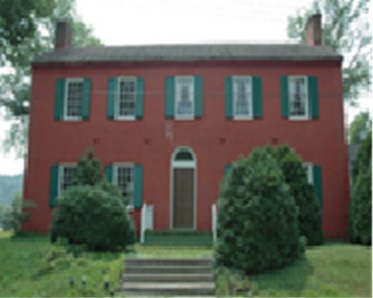
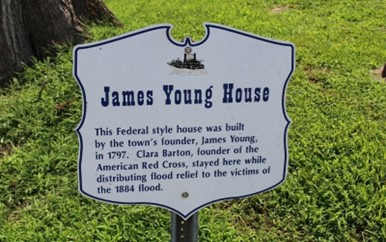
One of the earliest surviving structures in the region is the James Young House, built around
1797. Its hand‑hewn timbers and early architectural style reflect the challenges faced by
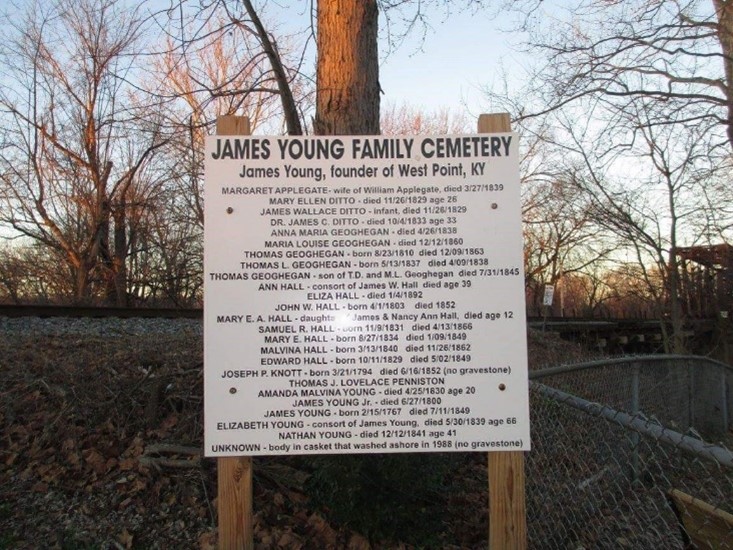
frontier families. Nearby lies the Pioneer Cemetery, where some of the area’s earliest settlers
were buried.
Salt Warehouse & River Commerce
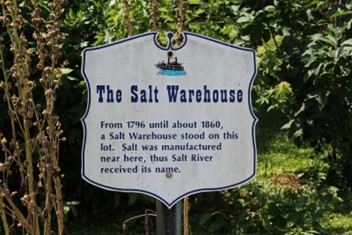
Salt was one of the most valuable frontier commodities. West Point’s location made it a key
transfer point for salt shipments moving from Bullitt County’s saltworks to markets along the
Ohio River. A salt warehouse once stood near the river landing, serving as a vital commercial
link.
Lewis & Clark Connection
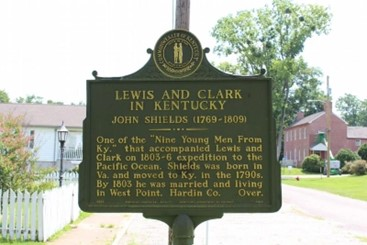
West Point has a direct connection to the Lewis and Clark Expedition. John Shields, one of the
expedition’s most skilled blacksmiths and gunsmiths, lived in the area before joining the Corps
of Discovery. His craftsmanship and frontier experience made him indispensable to the journey.
Thomas Lincoln & Flatboat History
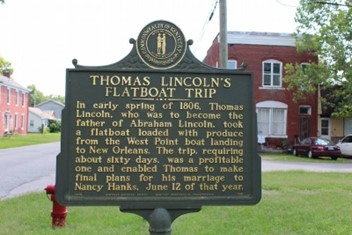
Thomas Lincoln, father of Abraham Lincoln, is believed to have passed through the West Point
area while transporting goods by flatboat. The Ohio River corridor was a major route for early
settlers and traders, and West Point played a role in this river‑based economy.
Why This Era Matters
The early settlement period shaped the geography, economy, and identity of West Point long before
the Civil War. Understanding this frontier foundation helps explain why the ridge above the town
became strategically important in 1861 — and why Fort Duffield was built where it stands today.
Continue the Story
Continue to Civil War West Point →
© 2026 Fort Duffield • Historic West Point Exhibit