MAP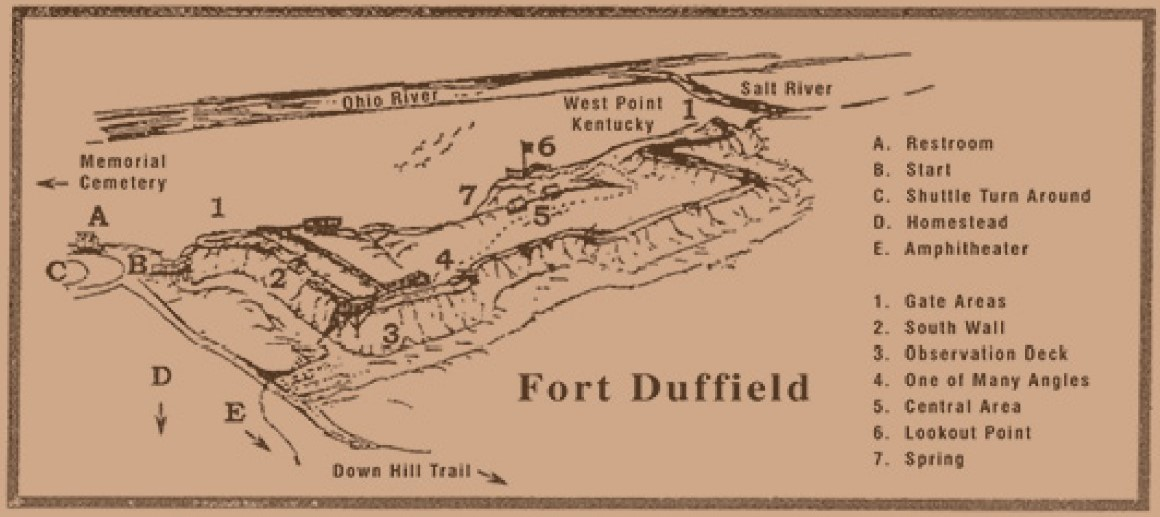 Winter at Fort Duffield was unforgiving. Cold rain, freezing winds, and inadequate shelter made survival a daily struggle. Soldiers adapted as best they could — building makeshift chimneys, reinforcing tents with logs, and gathering around any source of heat they could create. Life in Camp Even in harsh conditions, moments of humanity persisted. Soldiers repaired gear, shared stories, played music, and tried to create small comforts in an otherwise bleak environment. These scenes remind us that the men stationed here were not just soldiers — they were young Kentuckians far from home, doing their best to endure the winter. To survive the cold, troops built improvised heating systems, including the “Crimean oven,” a field‑expedient stove adapted from European military practice. These simple structures provided essential warmth and allowed soldiers to dry clothing, cook rations, and maintain morale during the long winter months. Winter at Fort Duffield was unforgiving. Cold rain, freezing winds, and inadequate shelter made survival a daily struggle. Soldiers improvised, innovated, and endured — often with little more than determination and the warmth they could create for themselves. 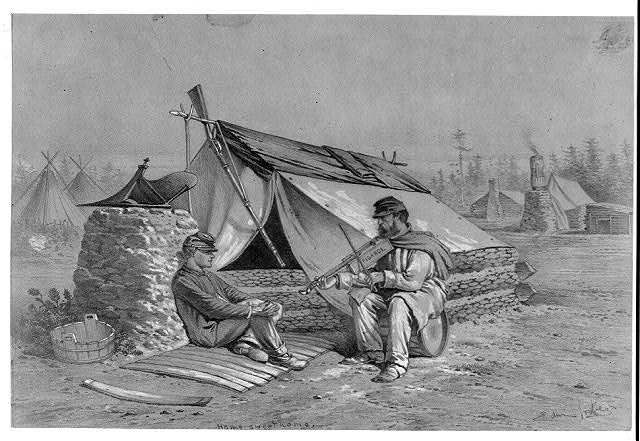 |
Keeping Warm
It was said that the soldiers found a unique way of keeping warm. Colonel George Washington
Hazard, commander of the 37th Indiana, ordered that his men were not permitted to buy straw
for their beds from civilians. He insisted that only government rations be consumed.
November through December brought cold, wet weather, and many men suffered — some fatally.
Hazard and his regiment were among the first to arrive and begin construction of the fort.
Their early weeks on the ridge were marked by exposure, sickness, and the constant challenge
of staying warm with limited supplies.
The Crimean Oven
Here is an example of what the soldiers may have used at Fort Duffield — a heating system
sometimes referred to as a Crimean oven. A fire was built outside the tent,
and the heat traveled through a tunnel beneath the floor, warming the interior with radiant
heat. The smoke exited through a chimney at the rear.
The water barrel placed on the chimney served a practical purpose: it prevented accidental
fires by extinguishing sparks or embers before they could ignite the canvas or the surrounding
brush.
This simple but effective system offered warmth, safety, and a measure of comfort during the
harsh winter encampment. For many soldiers, it meant the difference between misery and
survival.
Albert’s Letter
A Michigan Soldier Writes Home, December 7, 1861
In the early winter of 1861, sickness, cold, and uncertainty swept through the Ninth
Michigan Infantry as they camped on Muldraugh Hill. One lonely soldier, signing only
“Albert,” wrote to The Detroit Advertiser describing the harsh conditions
faced by the men stationed here. His words offer a rare, firsthand glimpse into life at
West Point during the regiment’s first weeks in Kentucky.
From the letter:
“We are still occupying Muldraughs Hill and are building log cabins for our men… The
people in this area were strongly tinctured with secession when we first came here, but
as they became better acquainted with Uncle Sam’s men they have formed a better opinion
of us.”
“There have been 26 deaths in the regiment since we came here… Had it not been for the
kindness of the inhabitants here, in taking our sick into their homes, we would have lost
more than we did.”
“The weather has been cold. Our men have a rather novel way of manufacturing stoves. They
dig a trench across their tent floor… cover it with flat stones… and set up a couple of
barrels or build a stick chimney. This way they get the benefit of a crude furnace which
heats their tent quite comfortably.”
Why this letter matters here:
Albert’s description of the makeshift heating trench directly matches the Crimean-style
system interpreted at this station. His observations about cold, sickness, and the
unexpected kindness of local civilians deepen our understanding of the hardships endured
on this ridge during the winter of 1861.