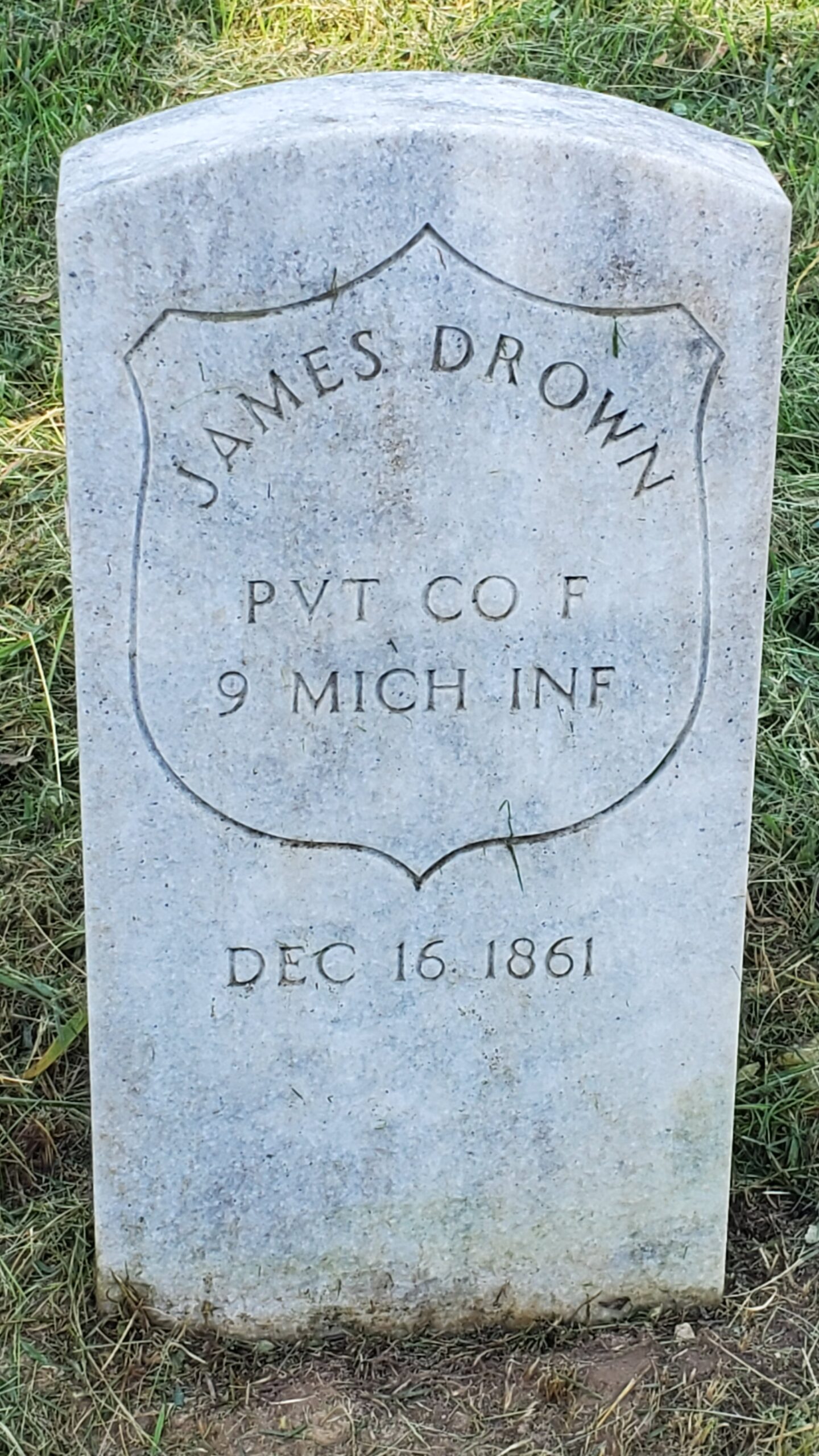
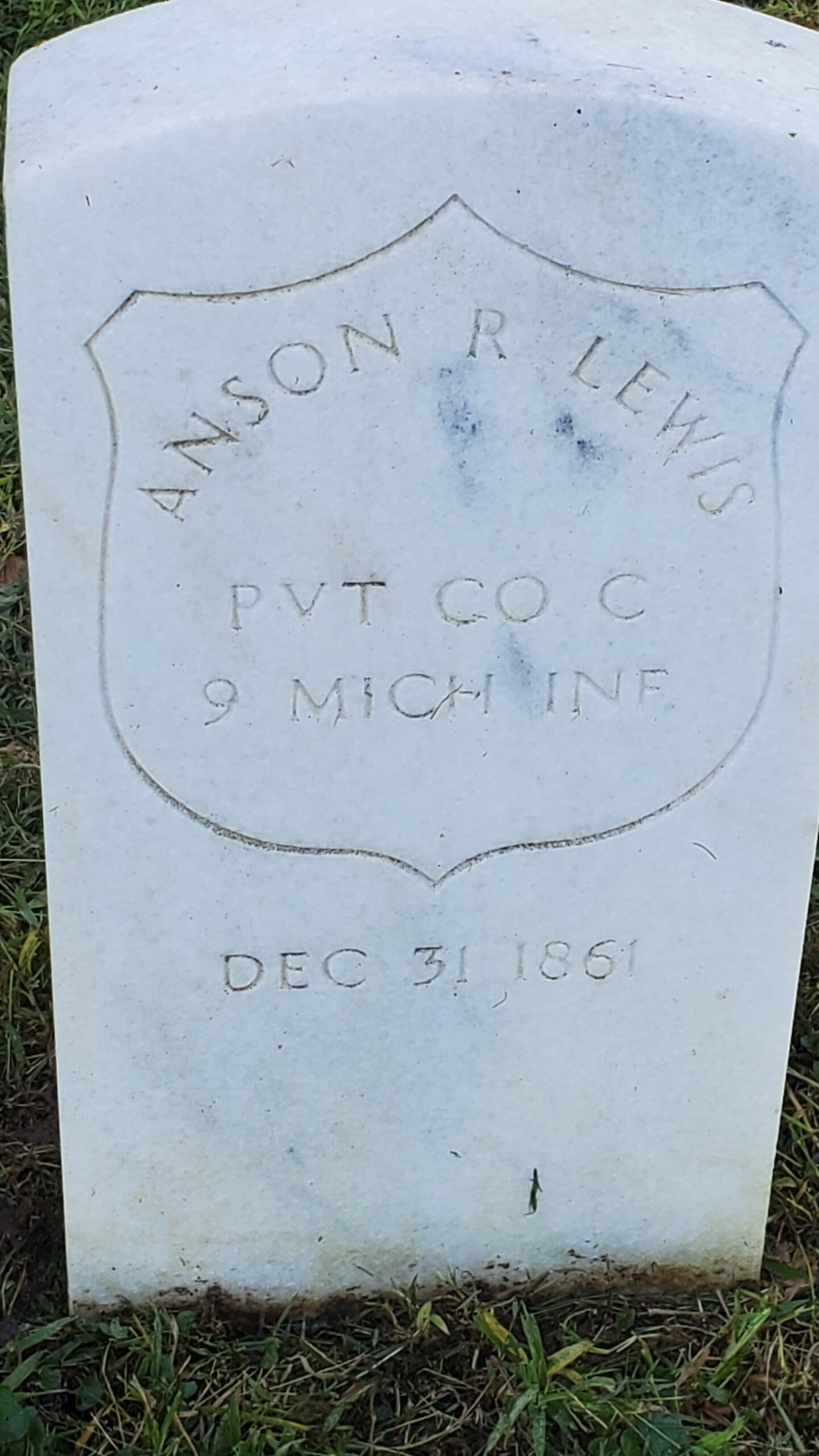
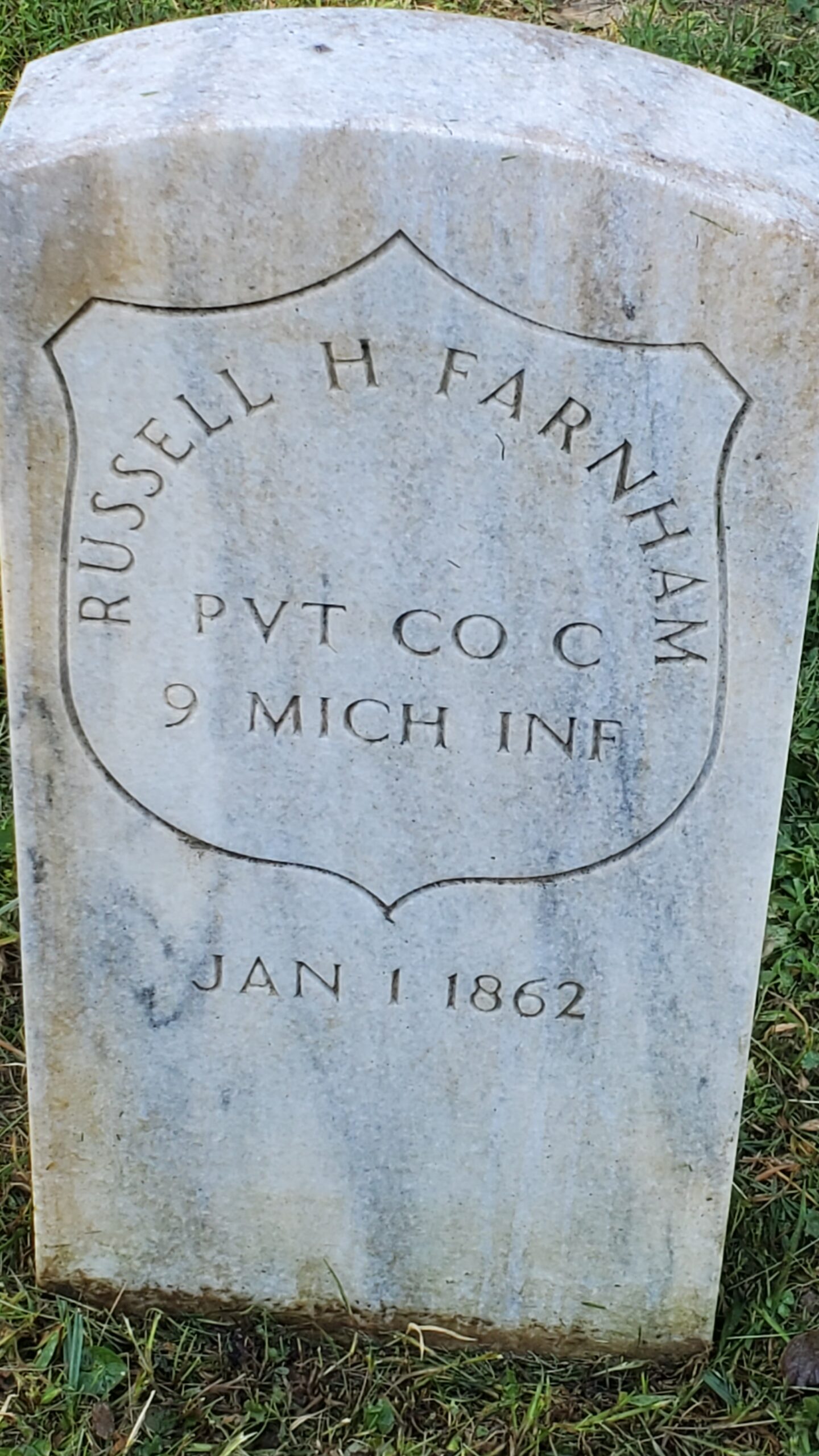
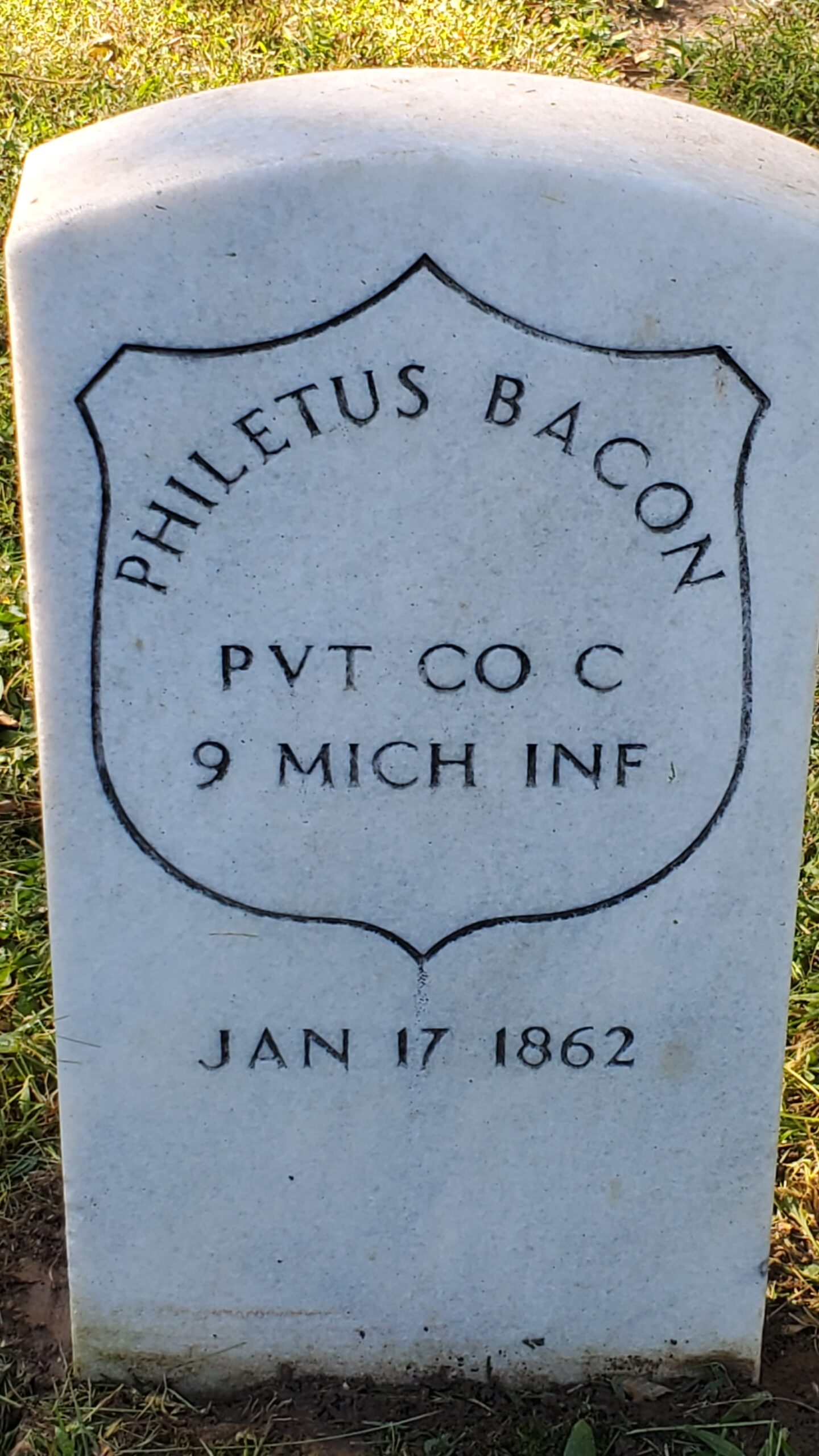
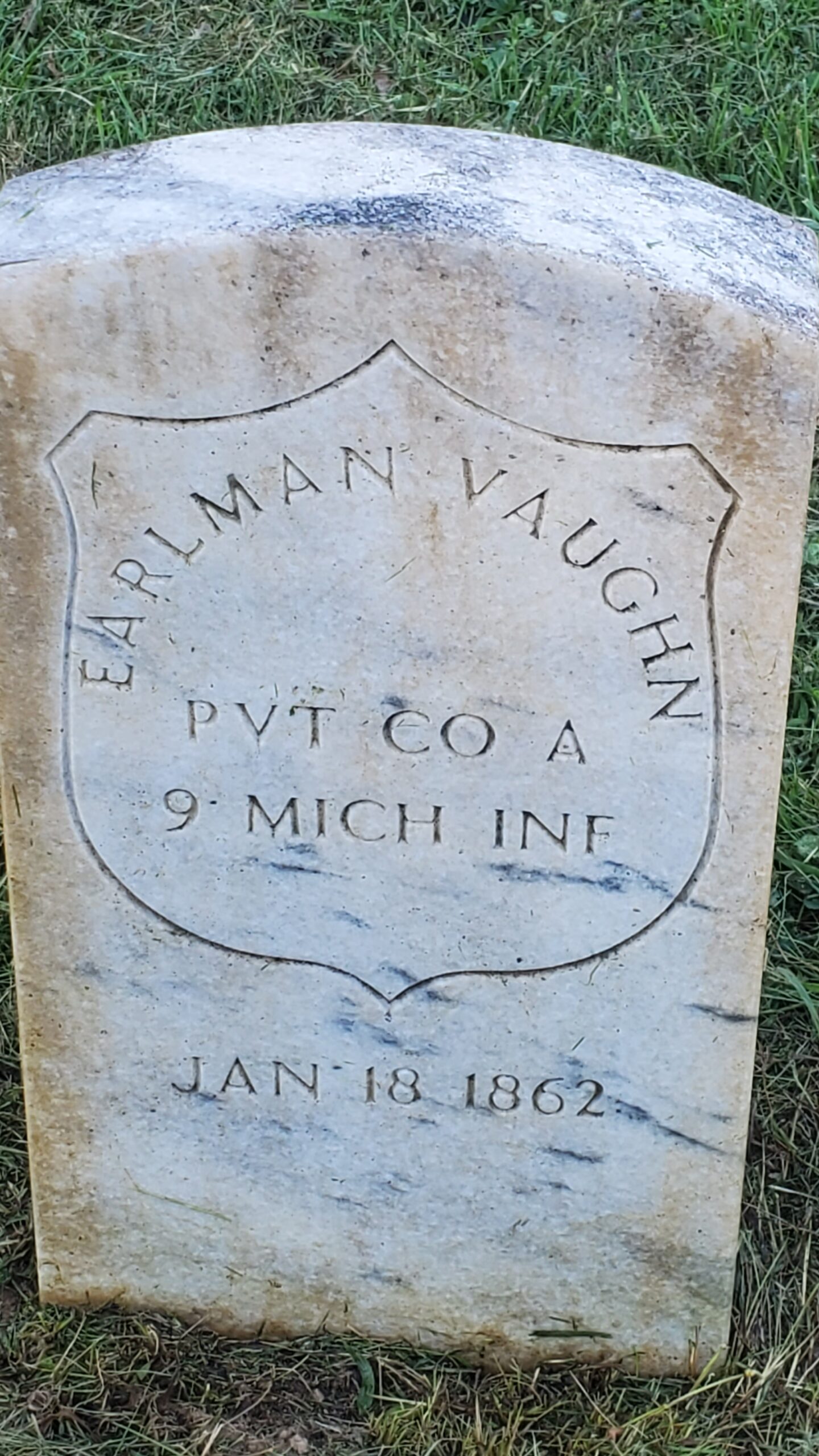
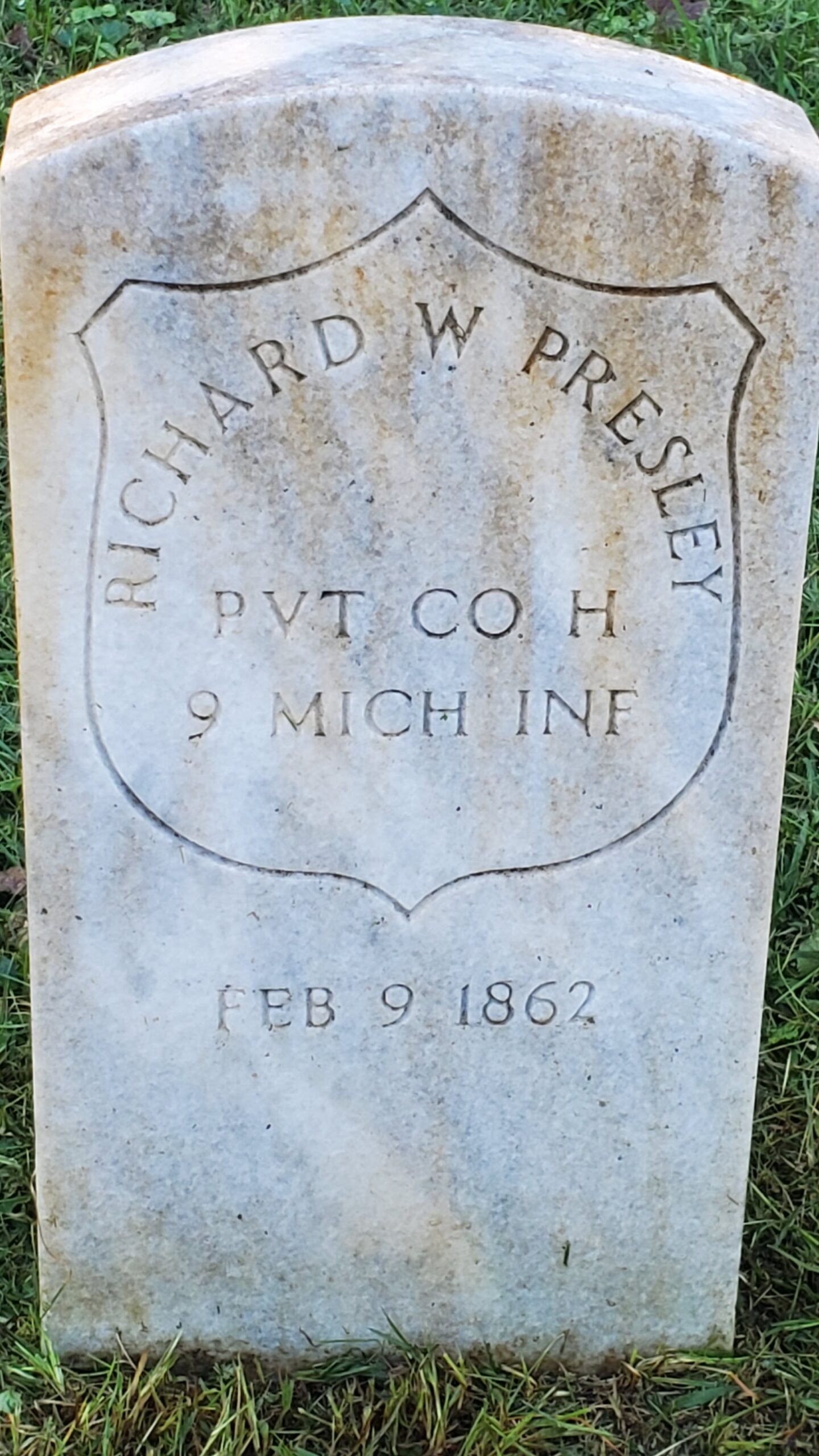
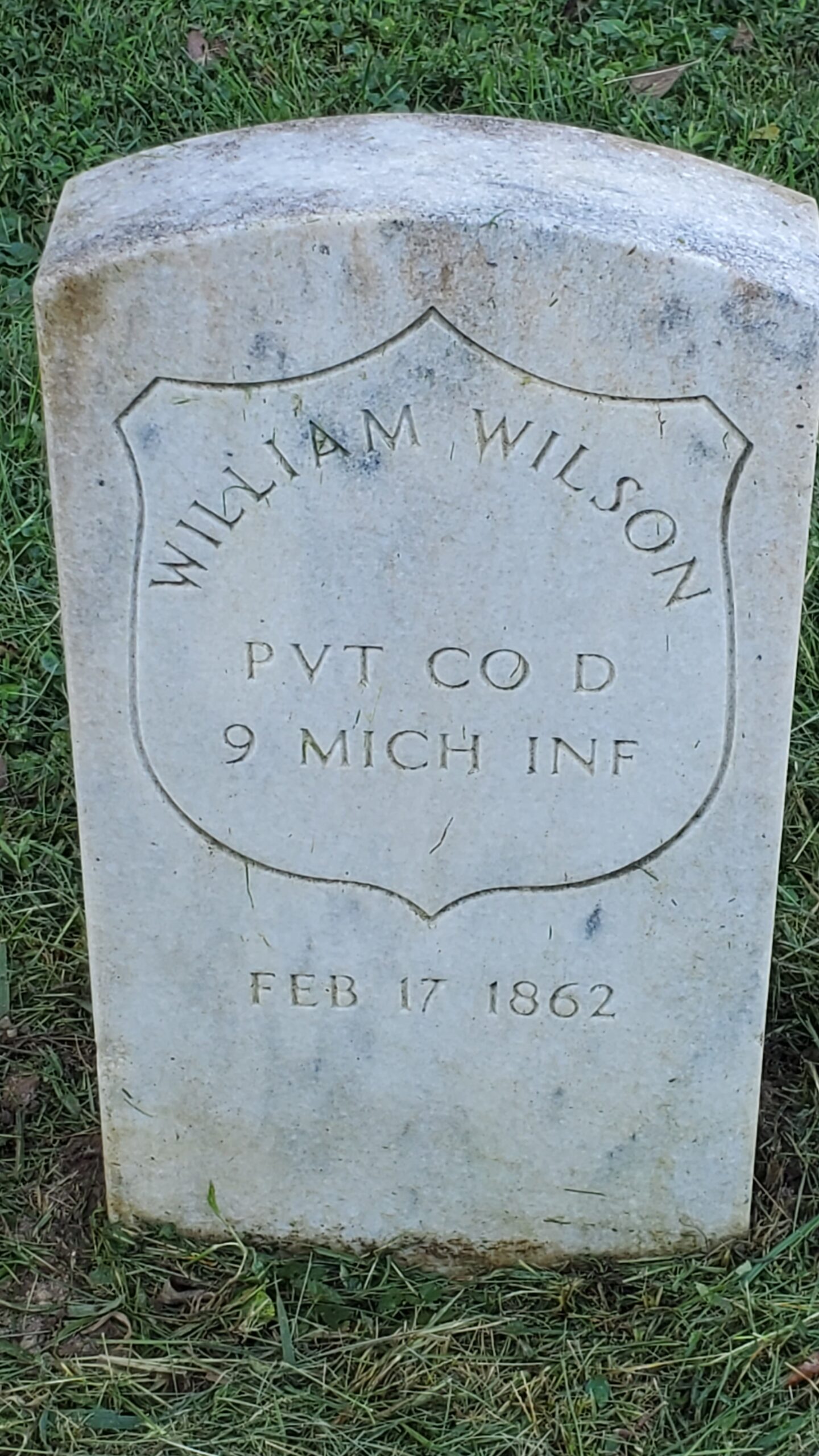
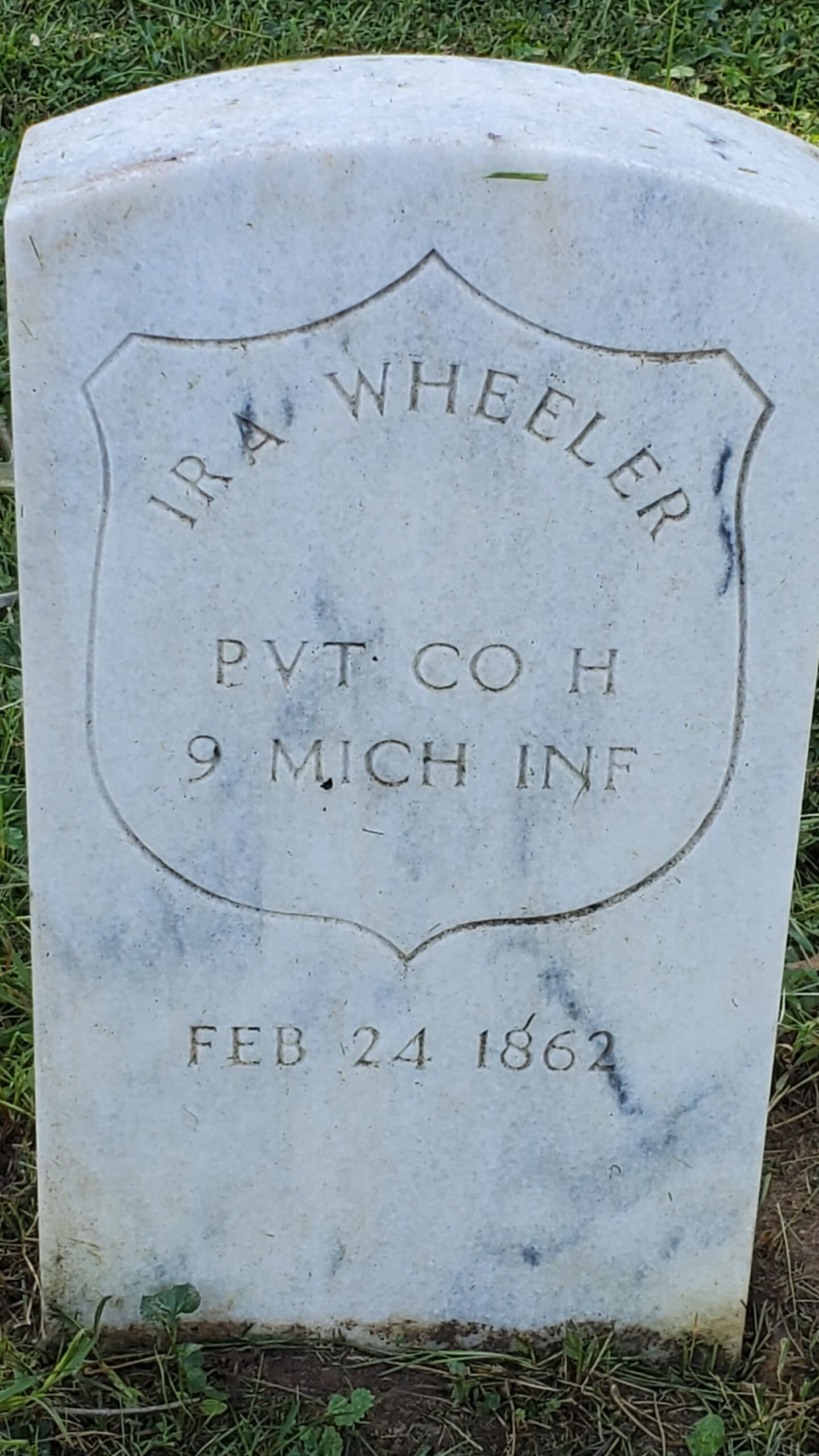
Memorial Plaza & Cemetery
Fort Duffield’s memorial plaza and cemetery honor the soldiers who died on Muldraugh’s Hill
during the winter of 1861–62. Most died from disease and exposure. The cemetery has been the
site of decades of care and the community’s ongoing efforts to remember them.
The Cemetery on the Hill
During the Civil War, soldiers who died at Fort Duffield were buried on the hill above the fort
in what is today known as the Fort Duffield Cemetery. The cemetery is maintained by the City of
West Point and volunteers from the Fort Duffield Heritage Committee, New Albany National
Cemetery, and others.
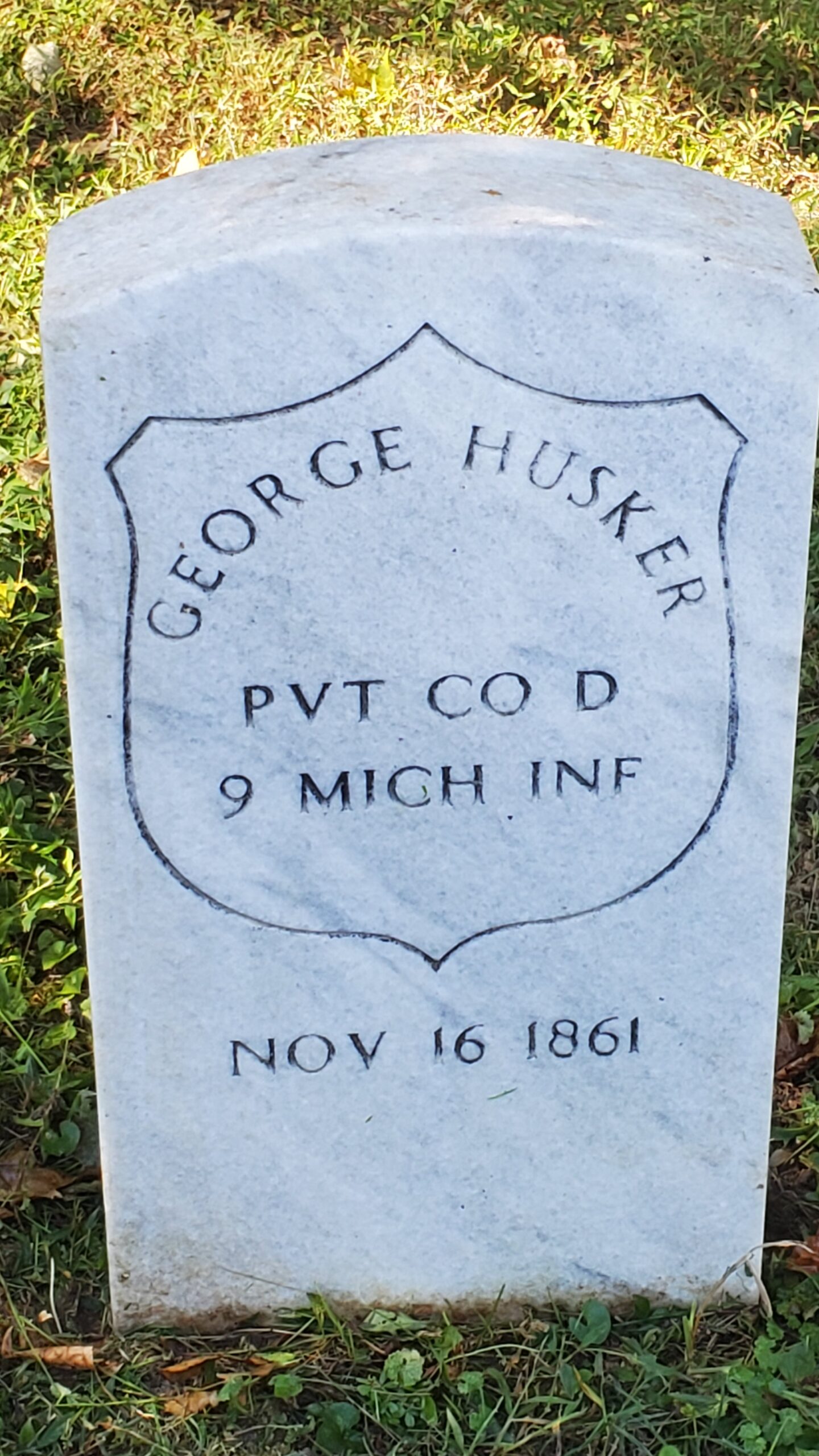
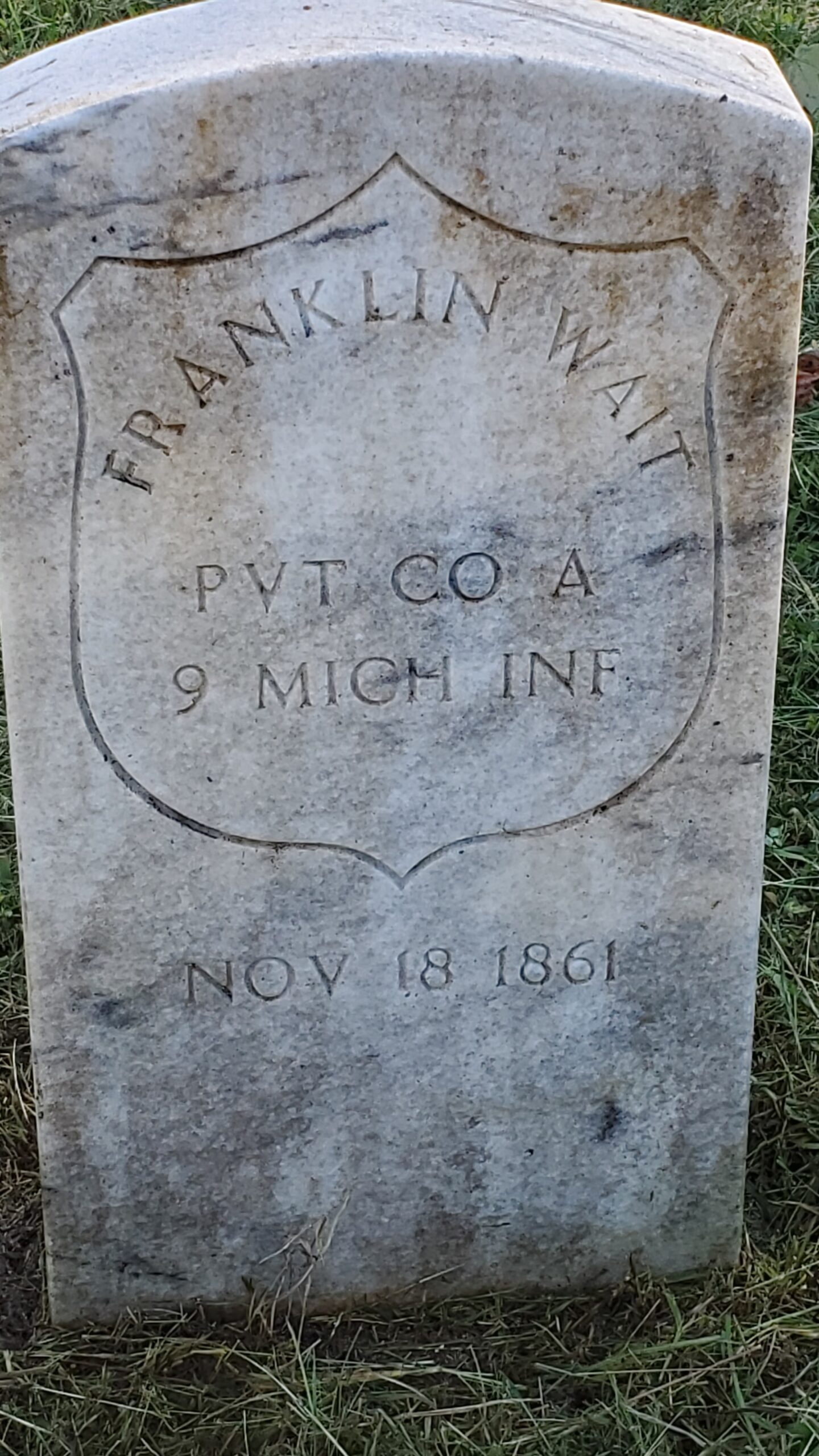
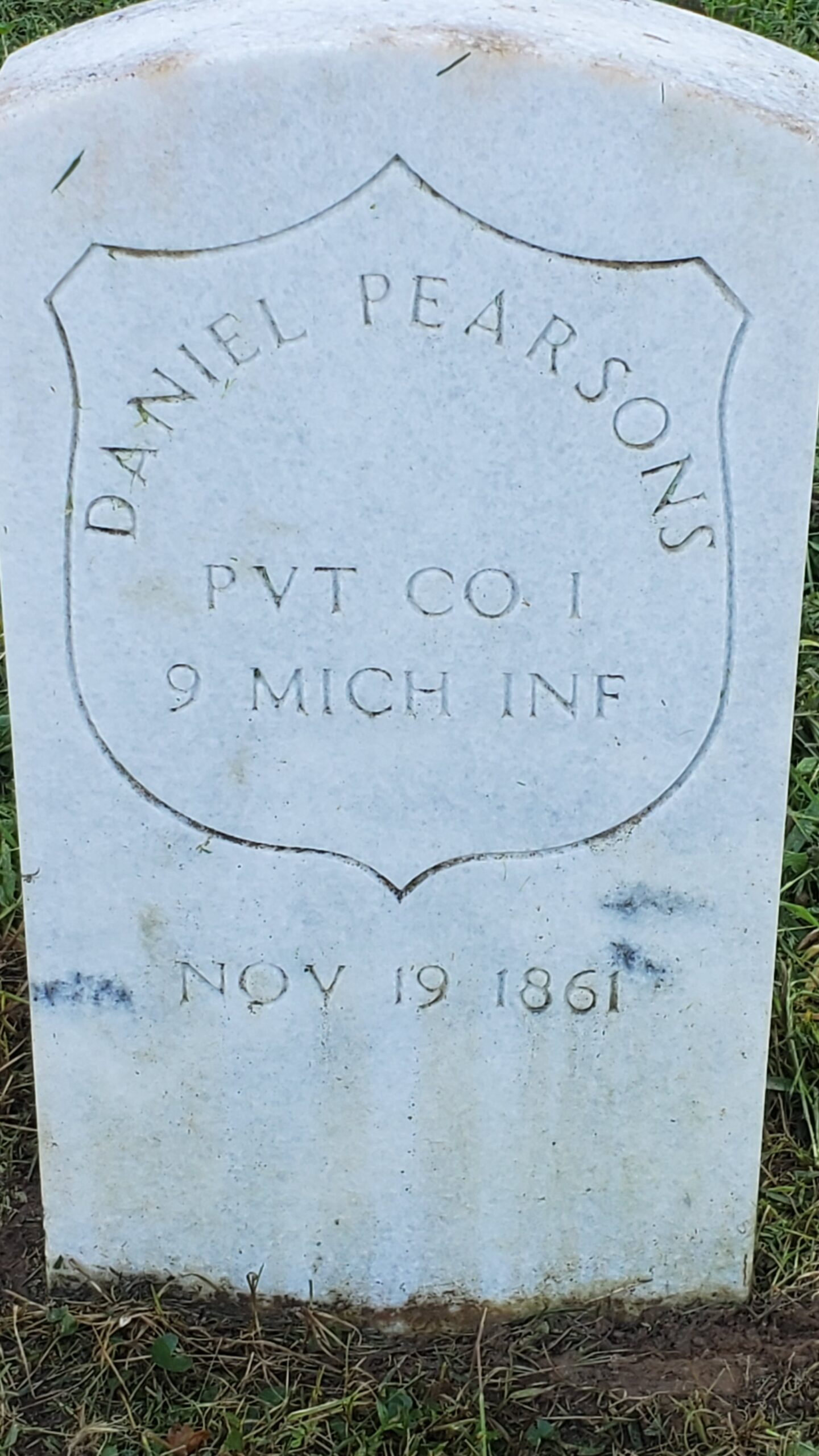
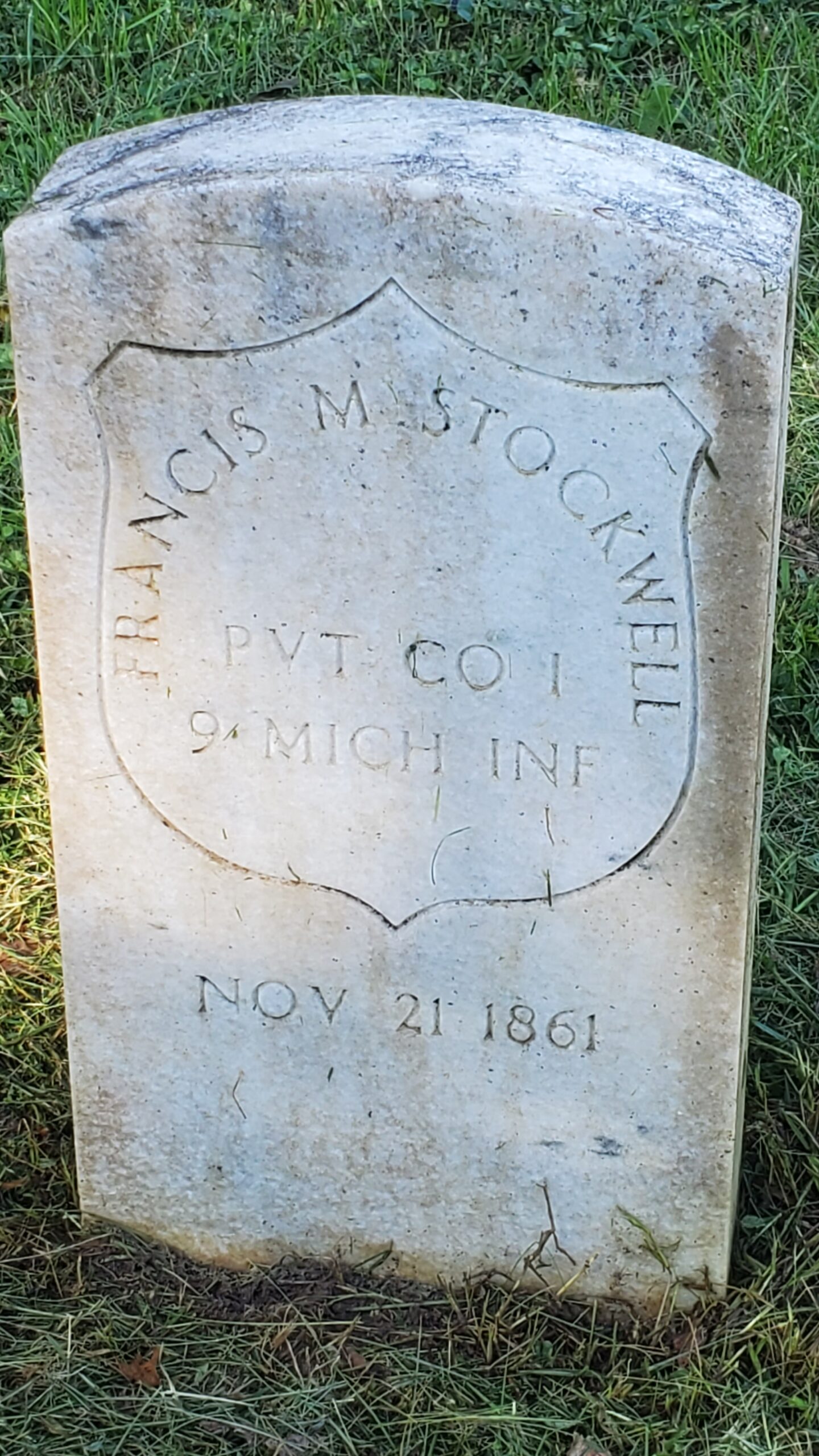
No original gravestones or field stones are known to survive.
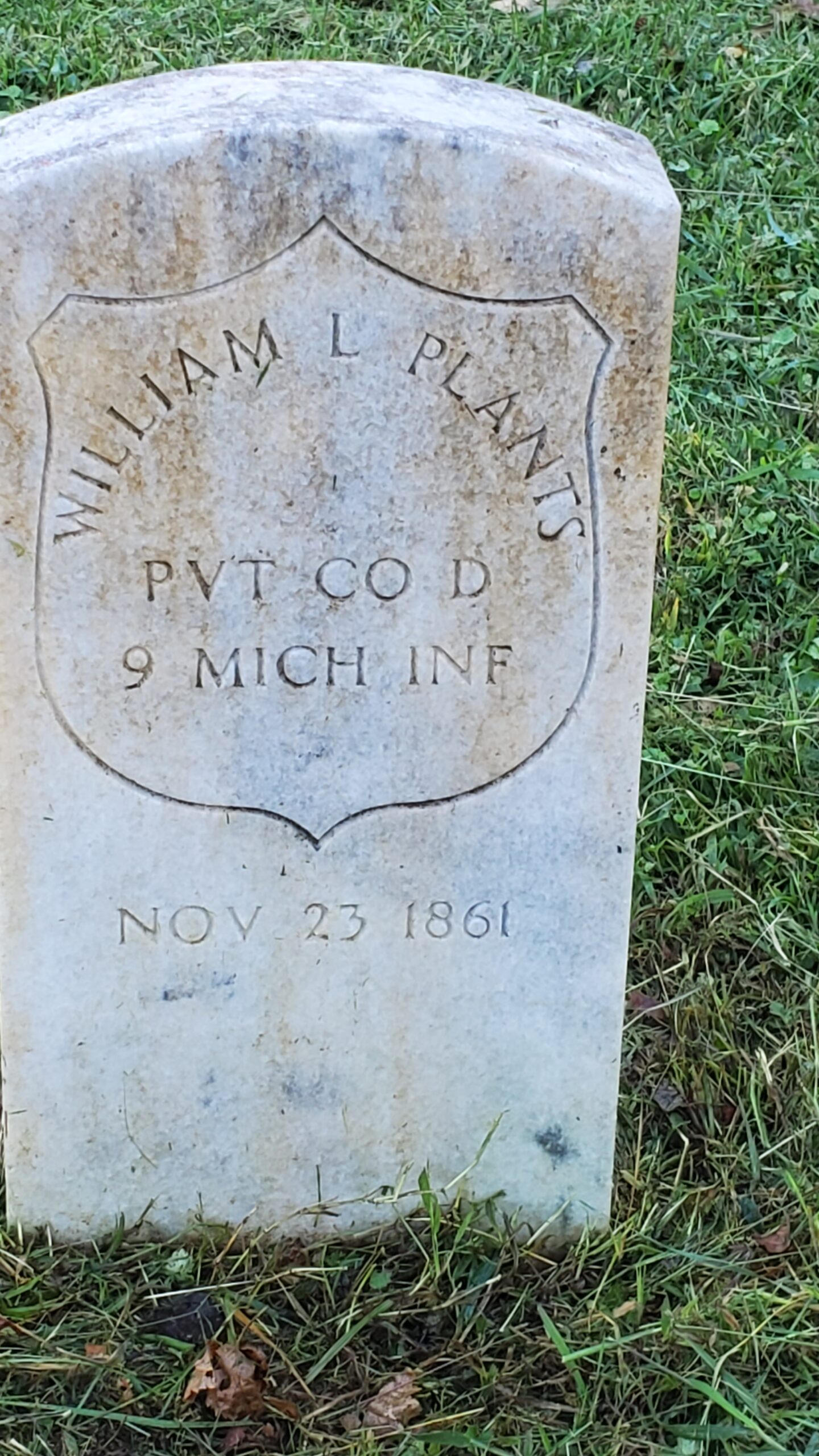
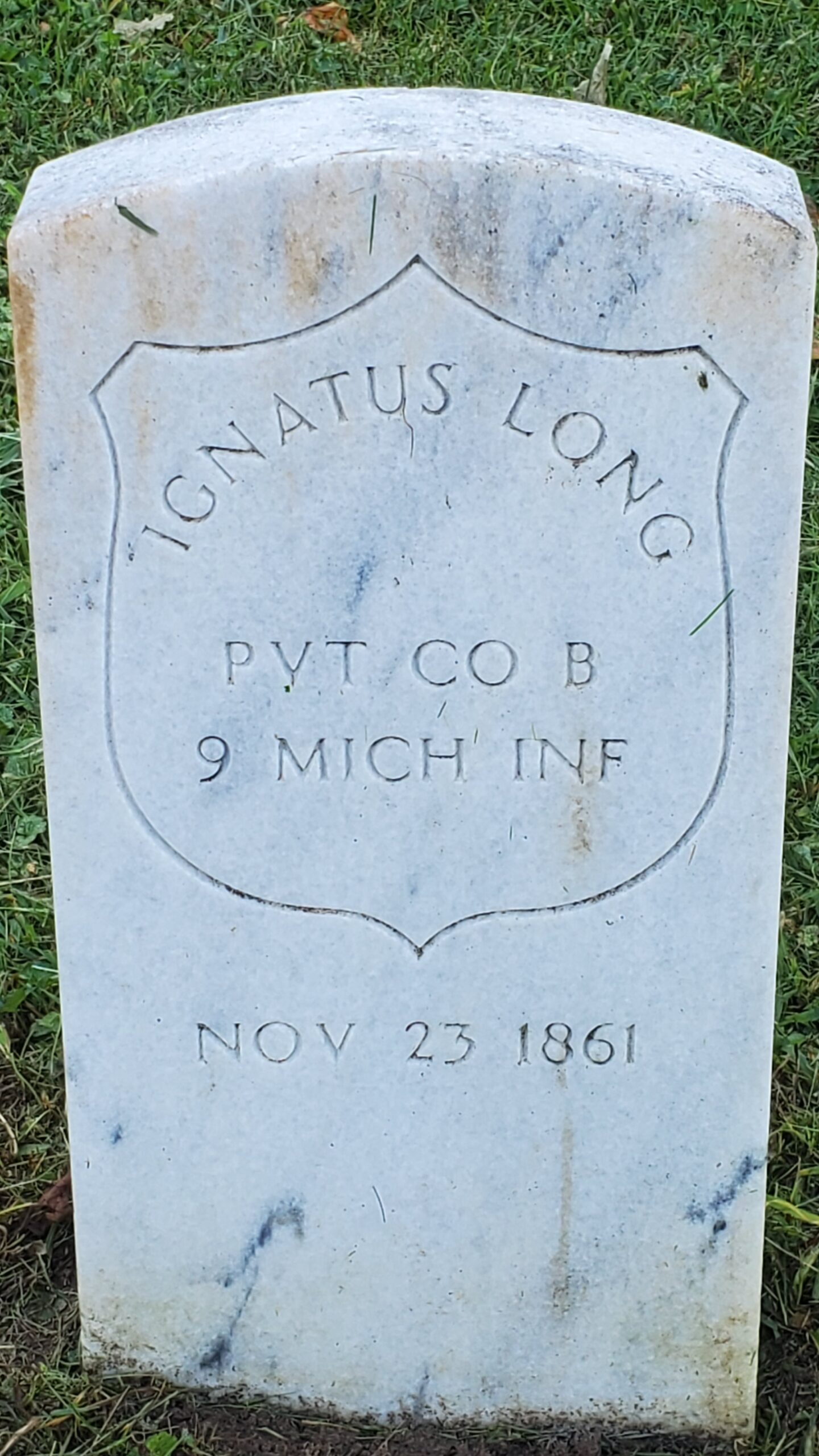
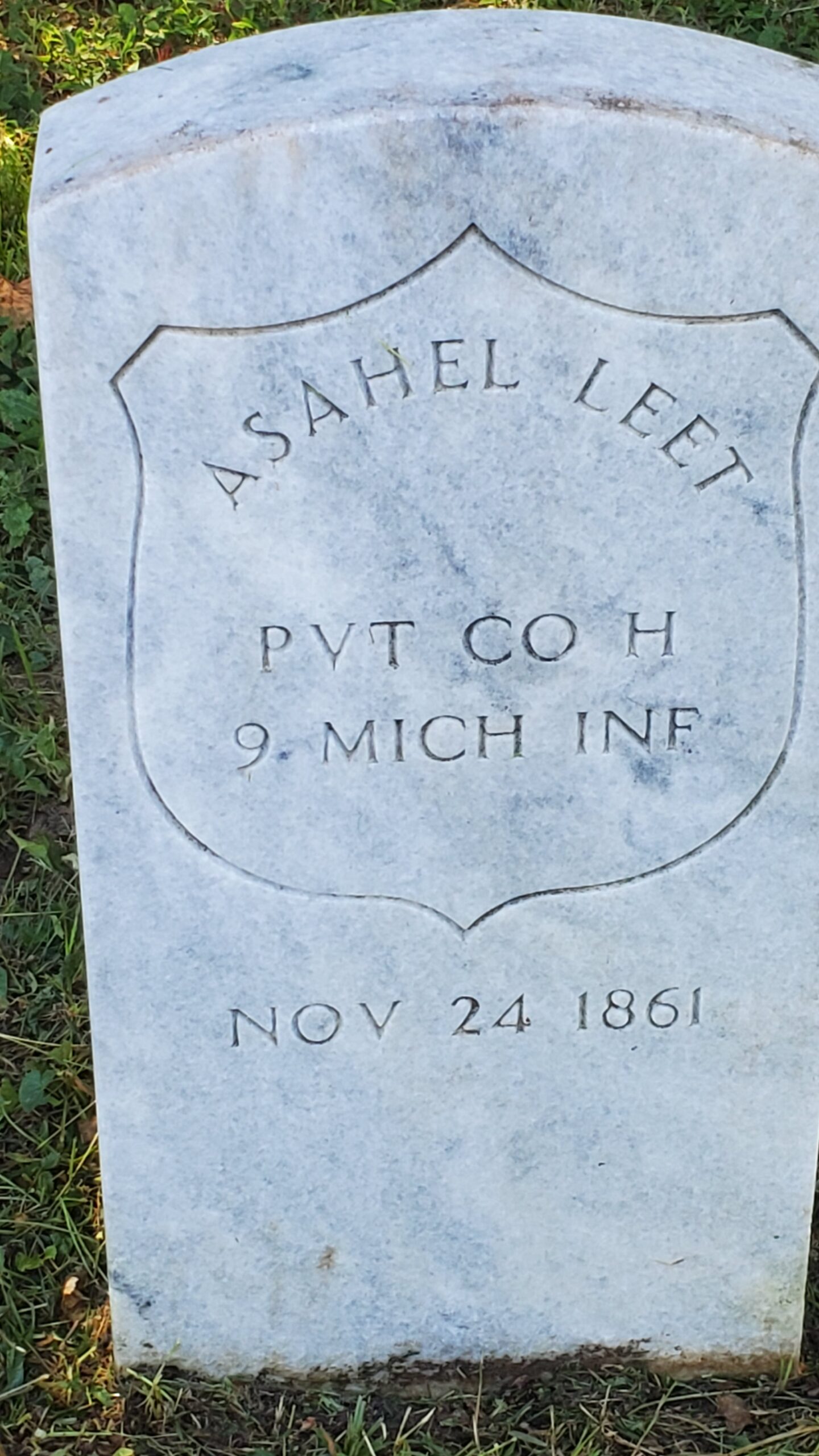
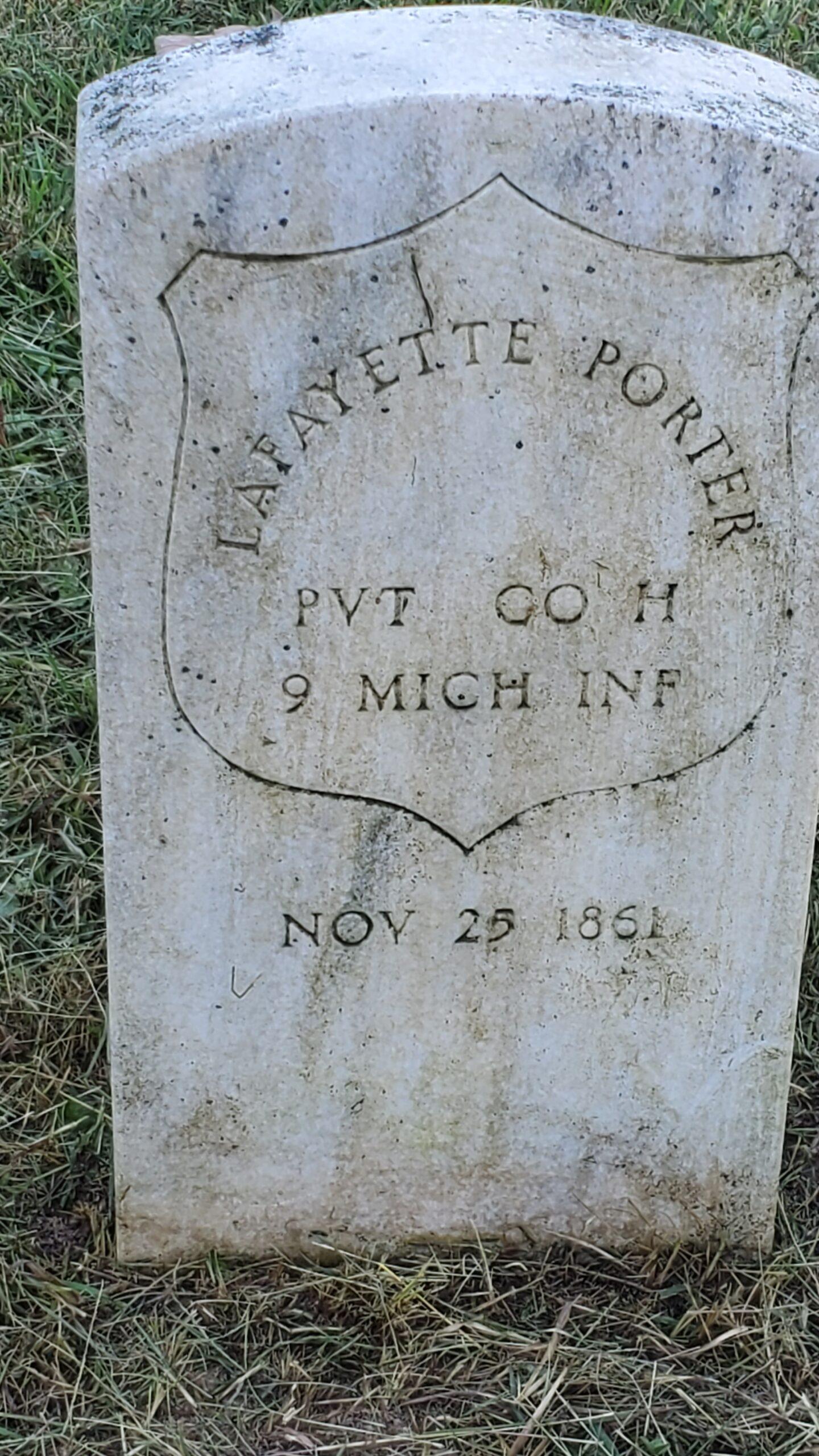
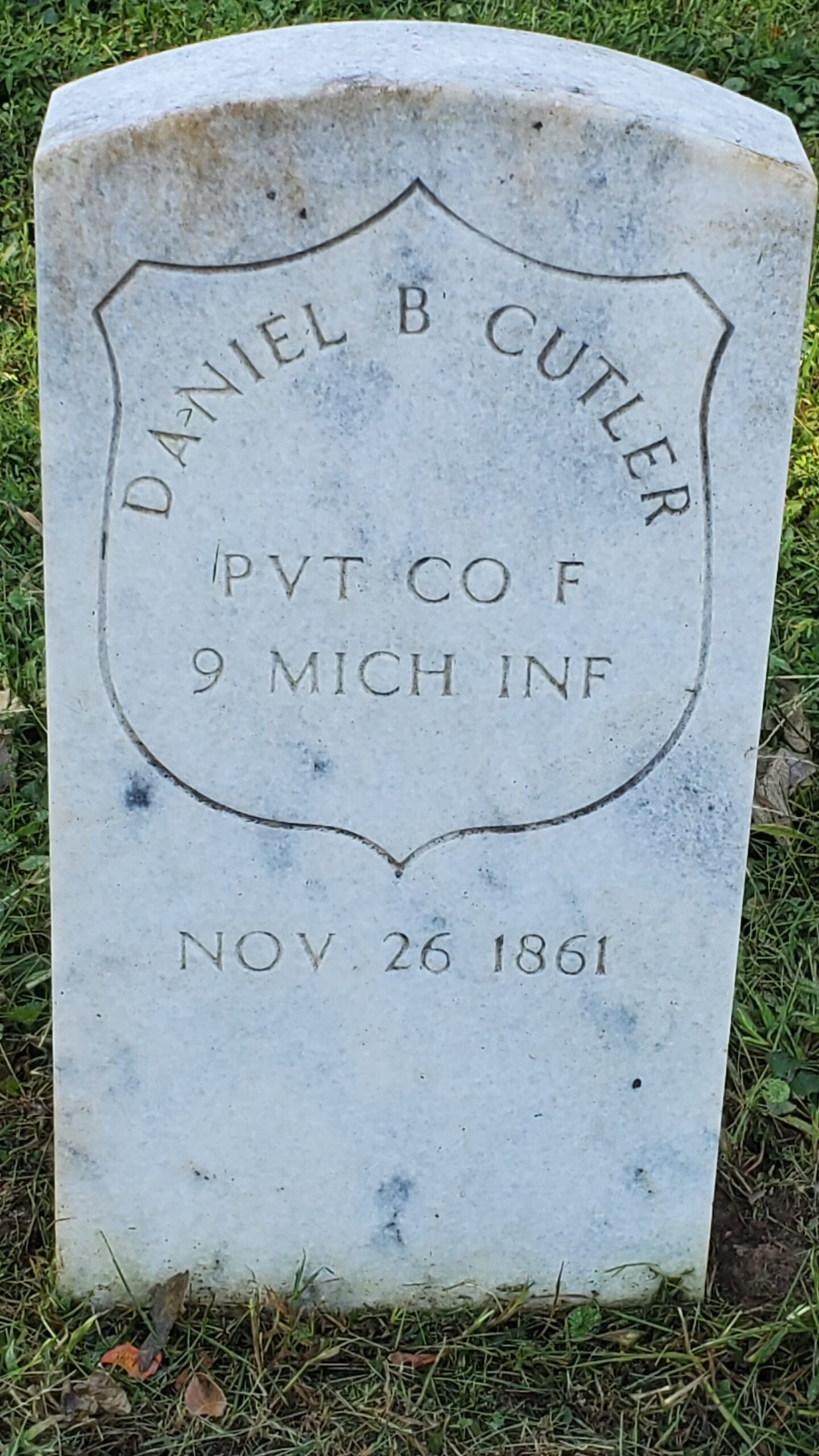
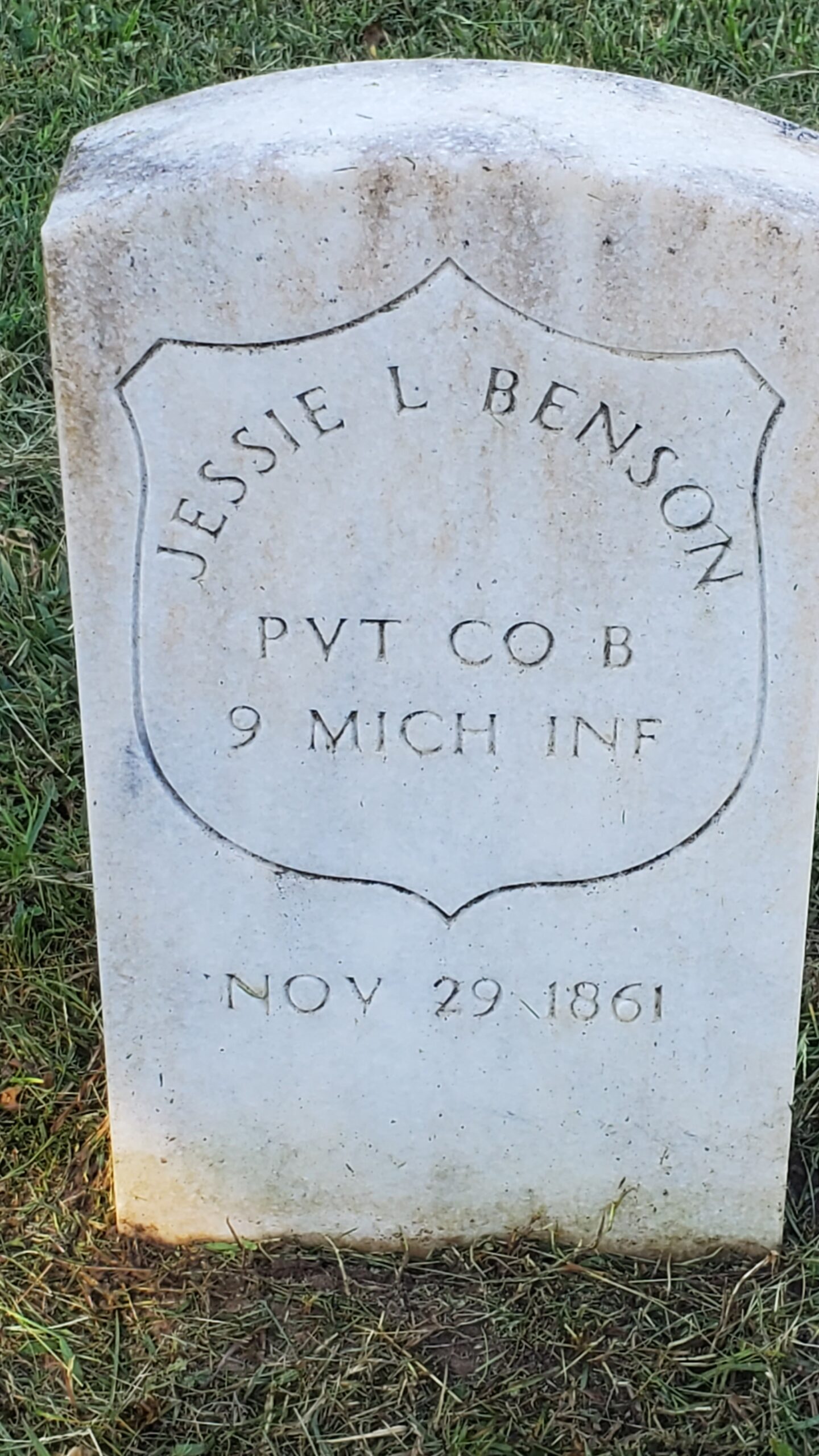
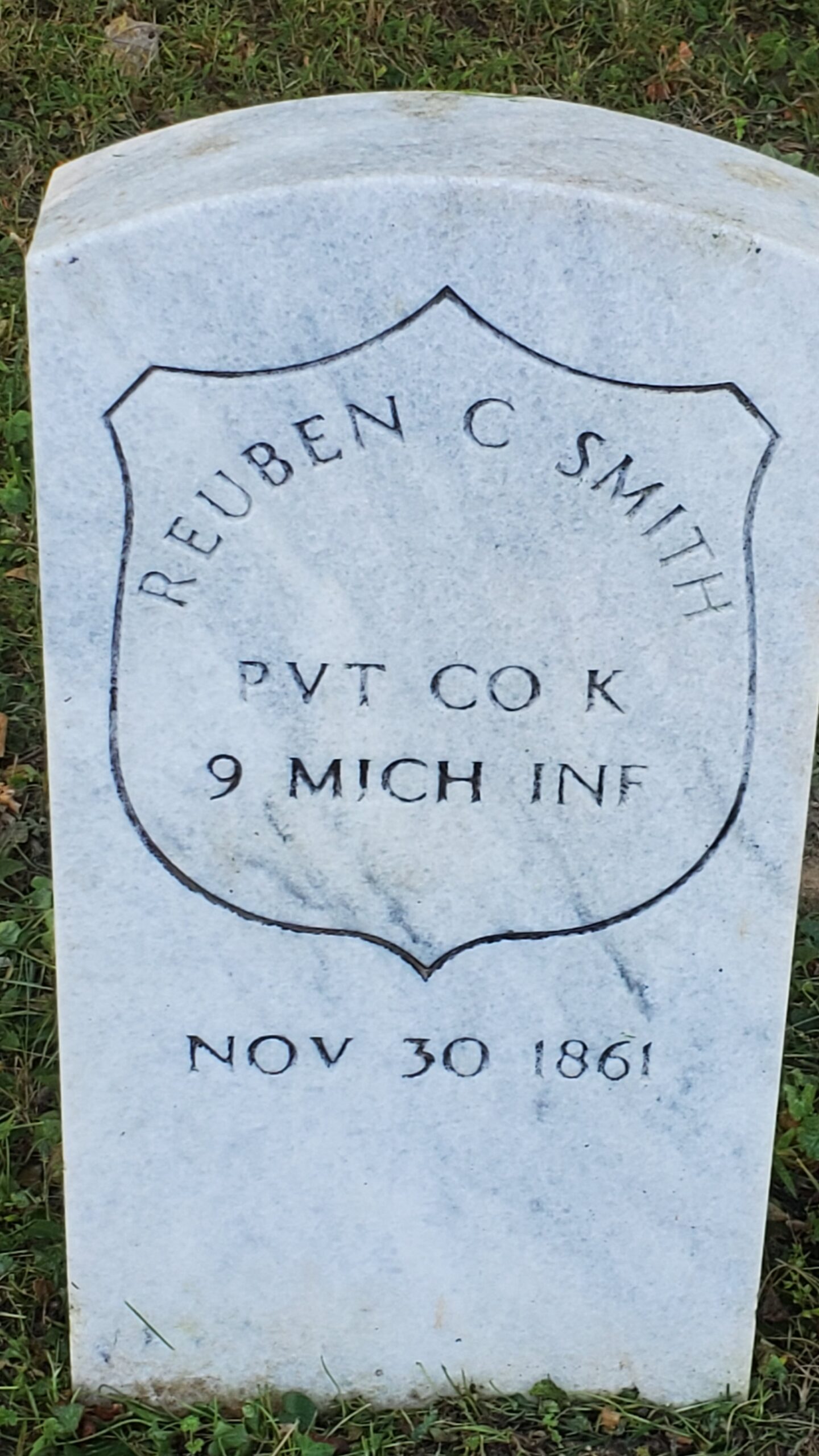
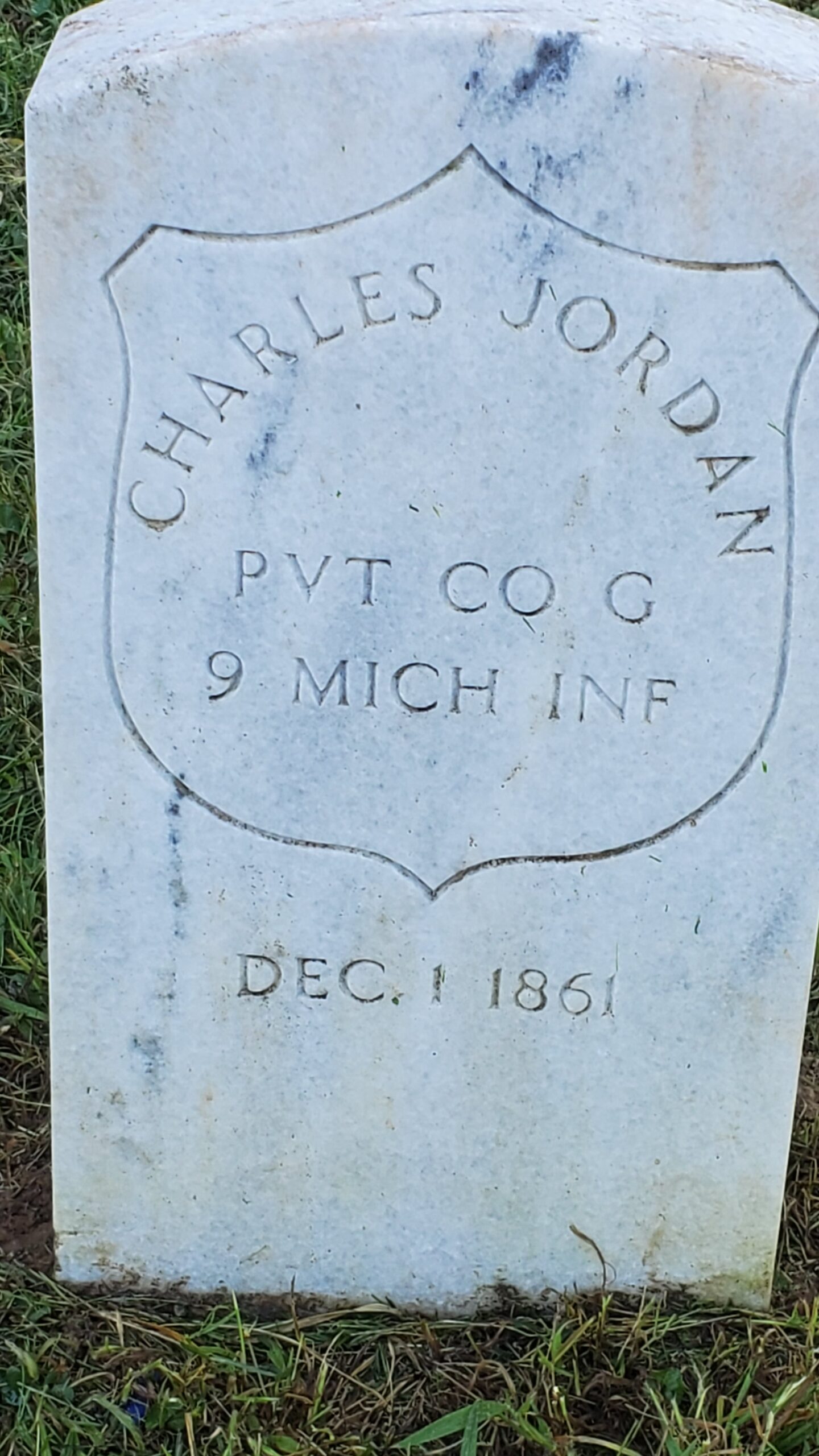
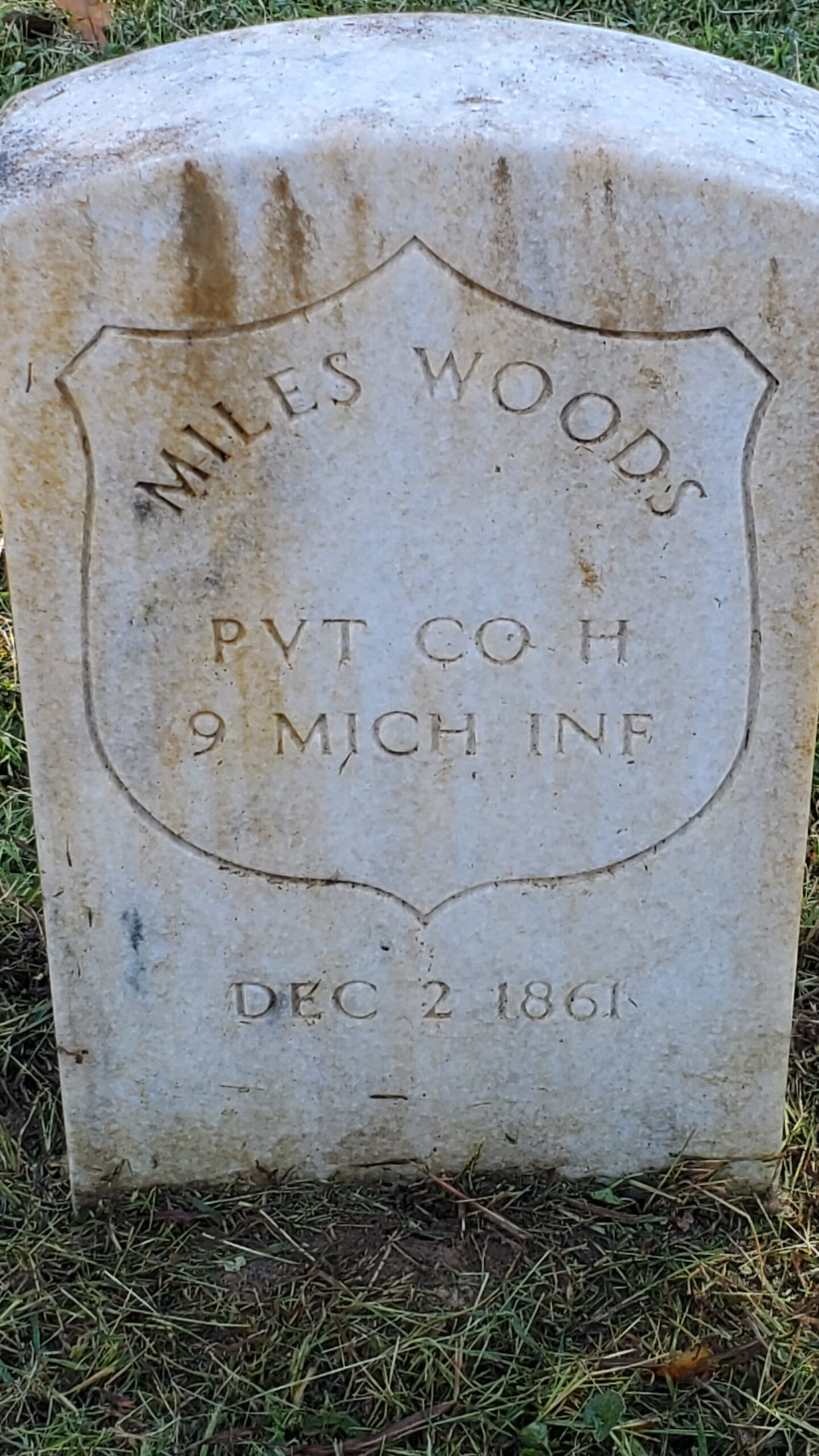
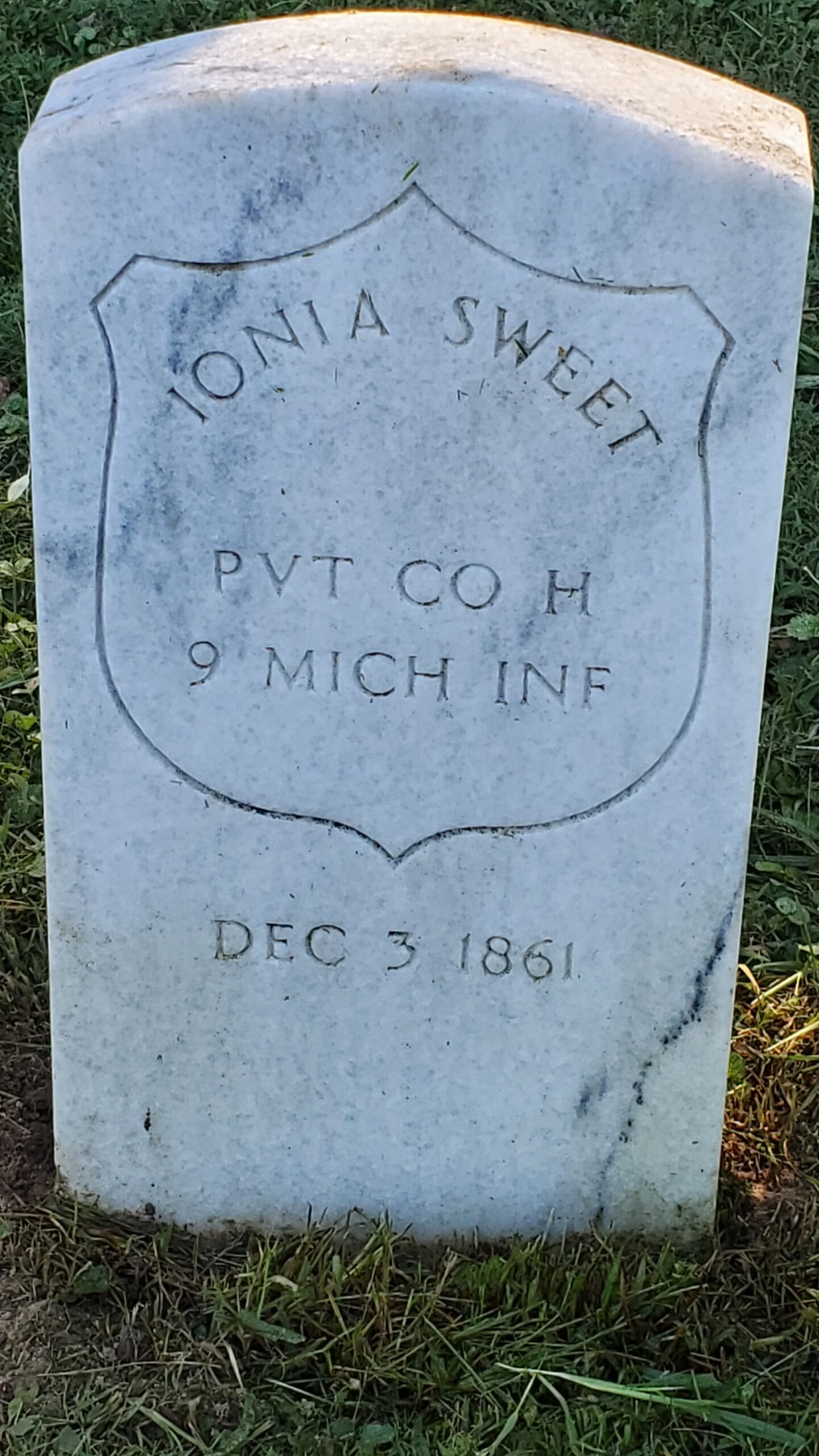
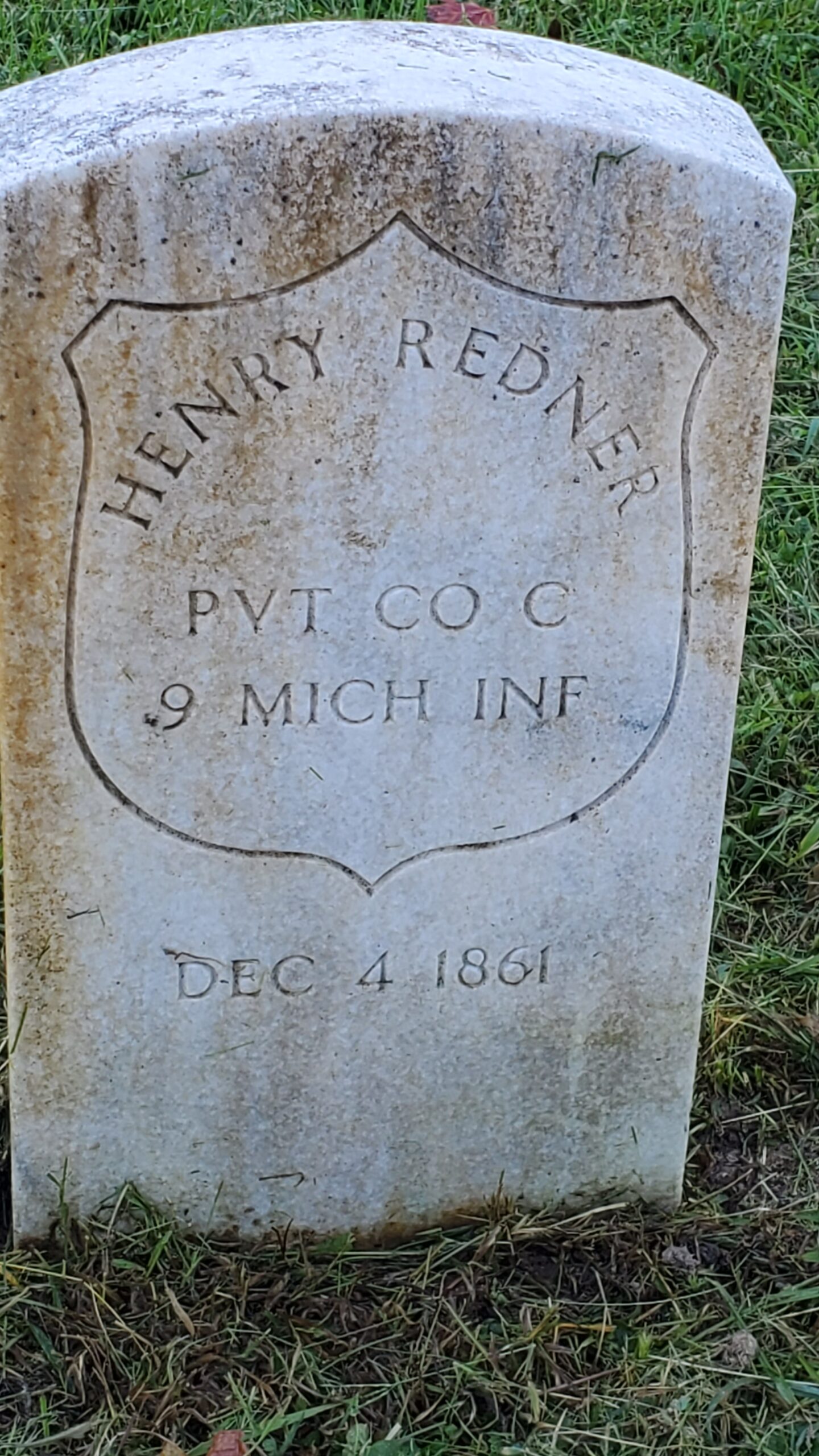
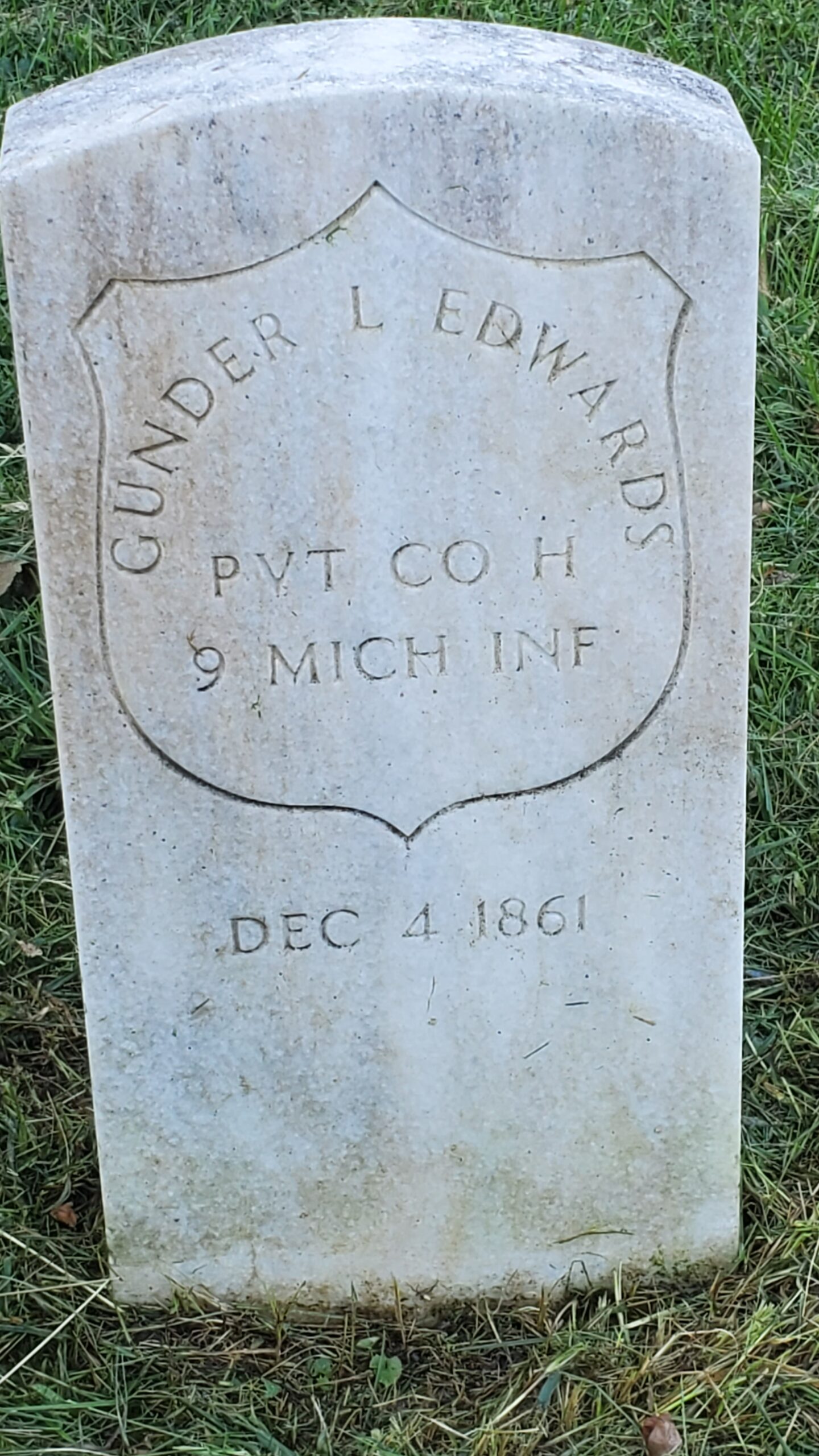
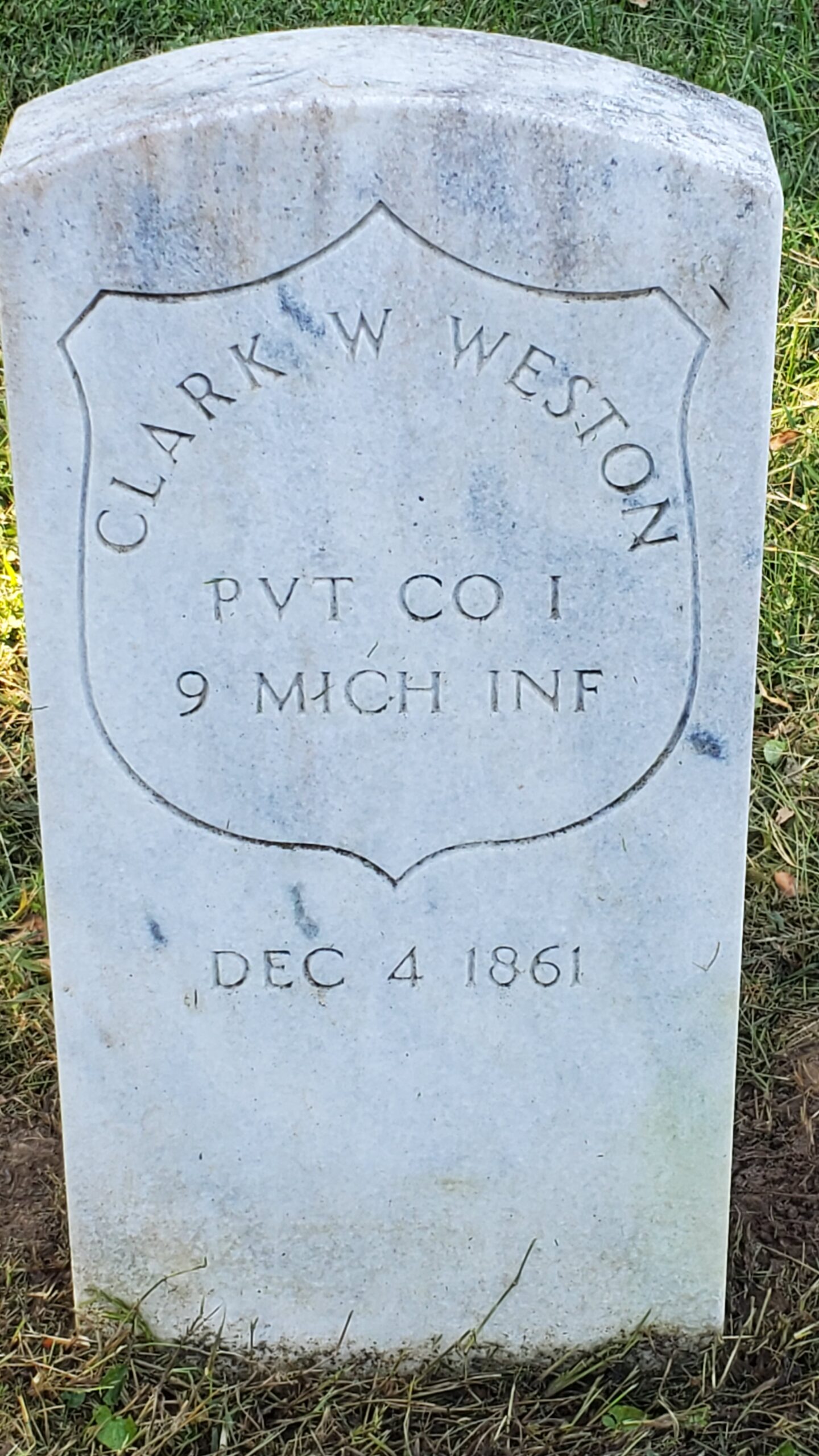
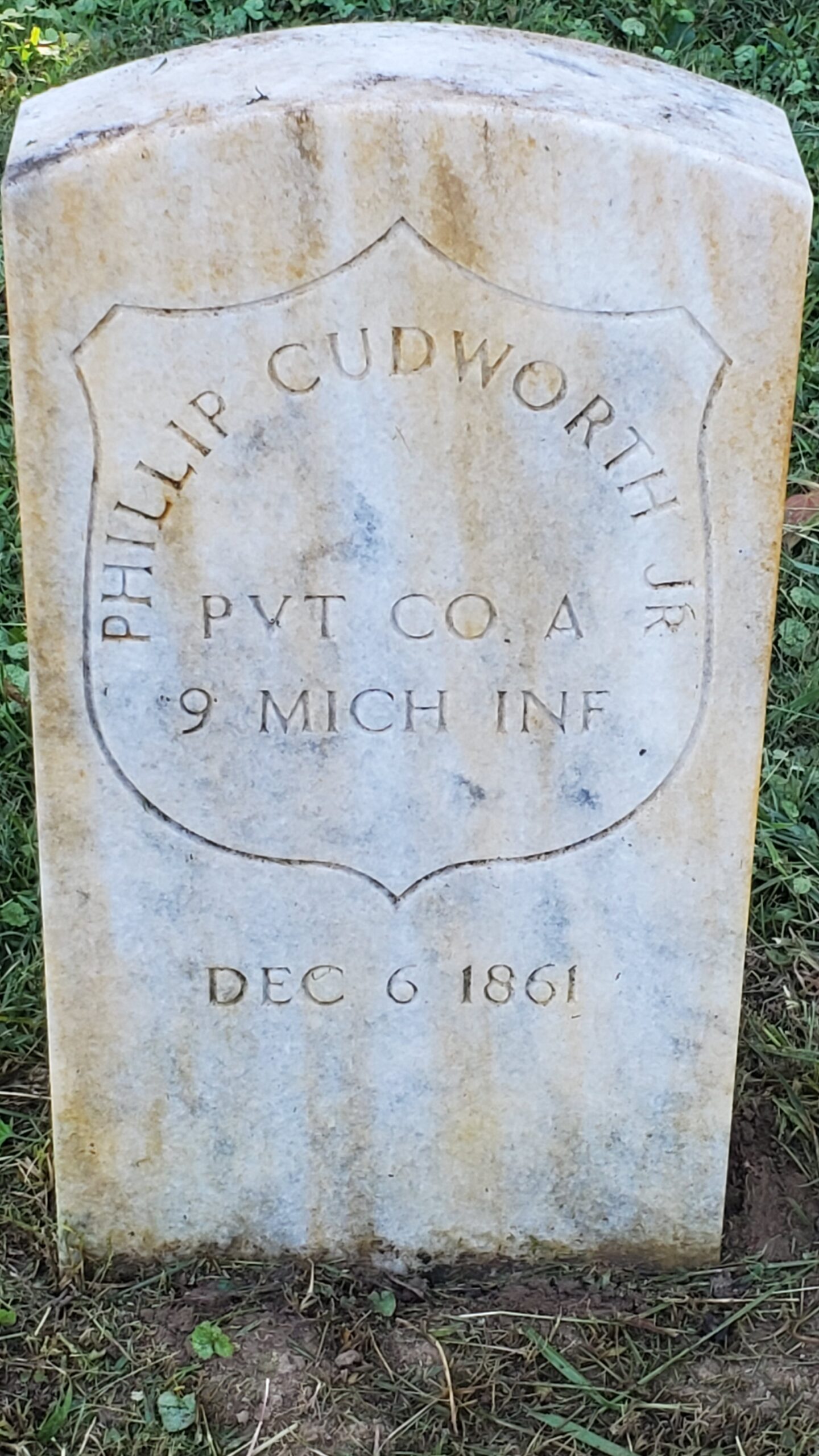
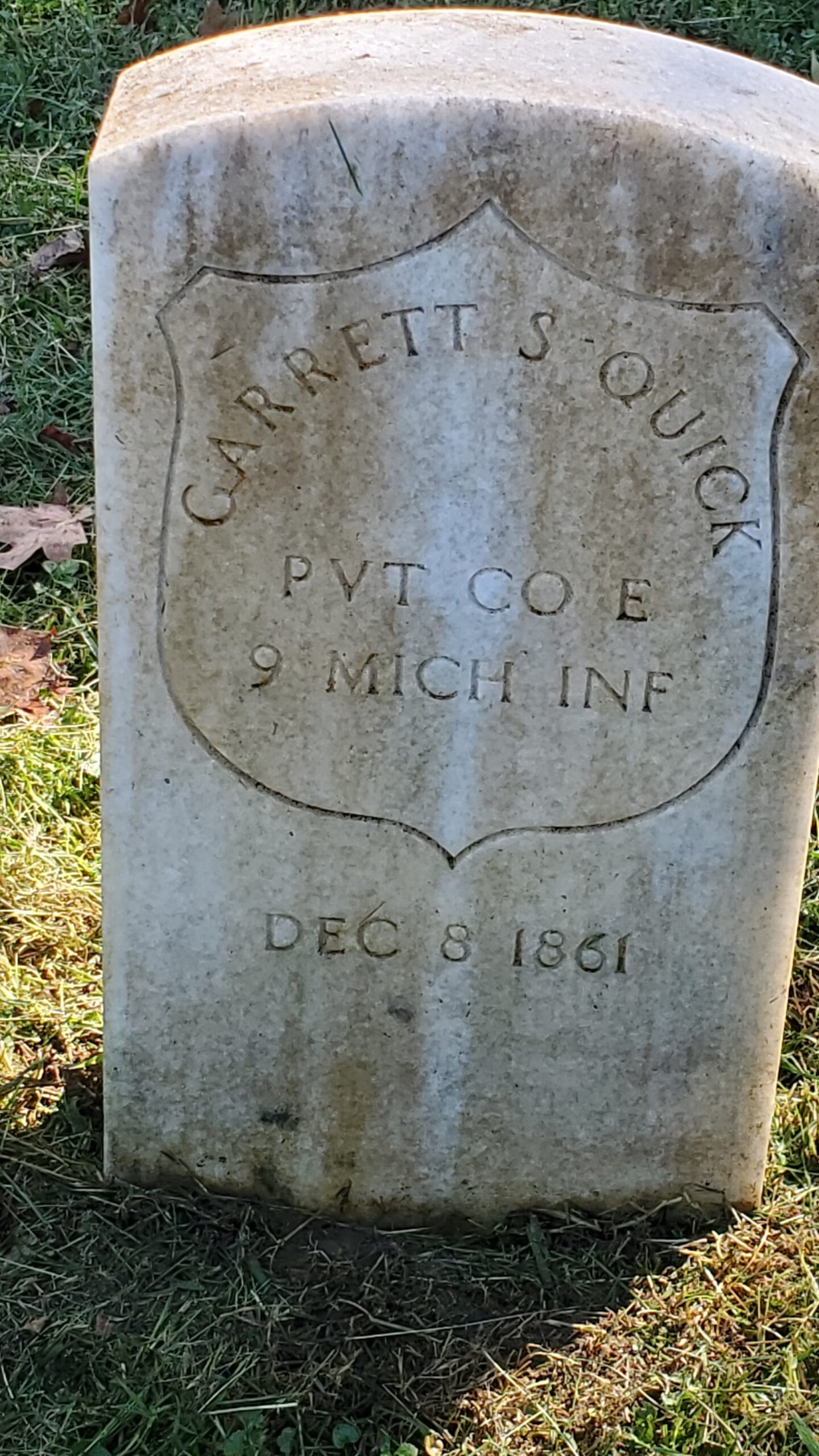
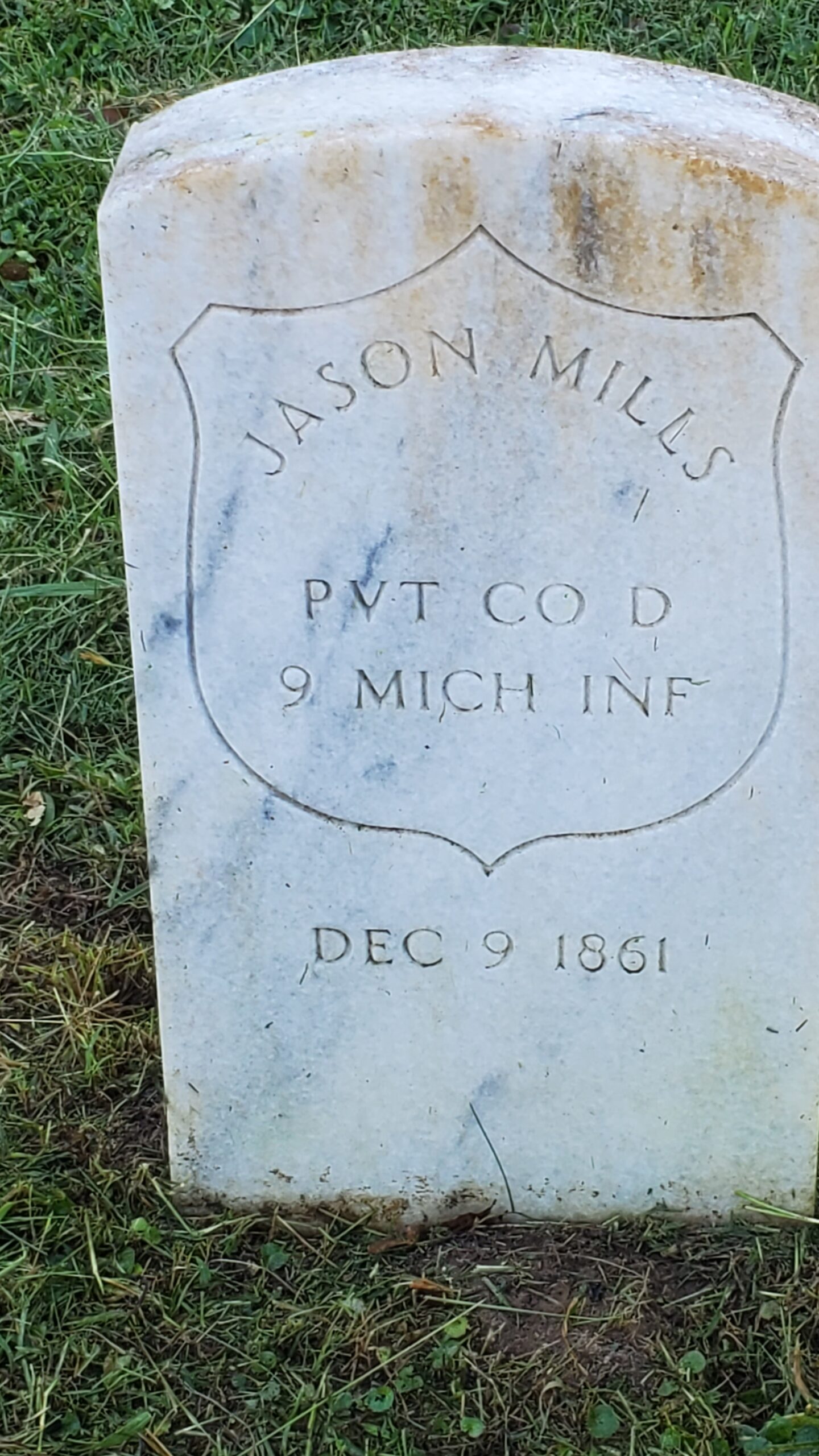
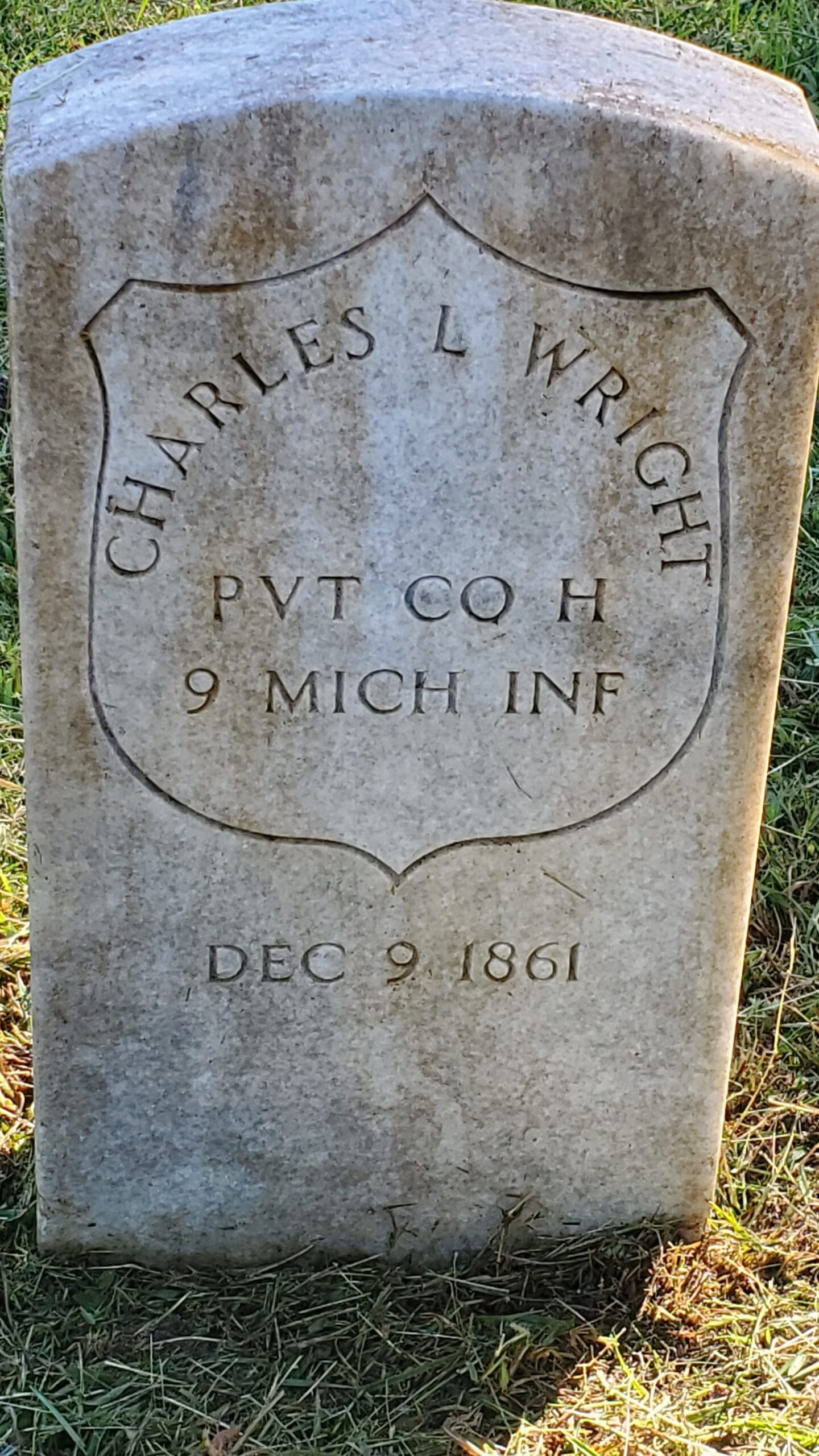
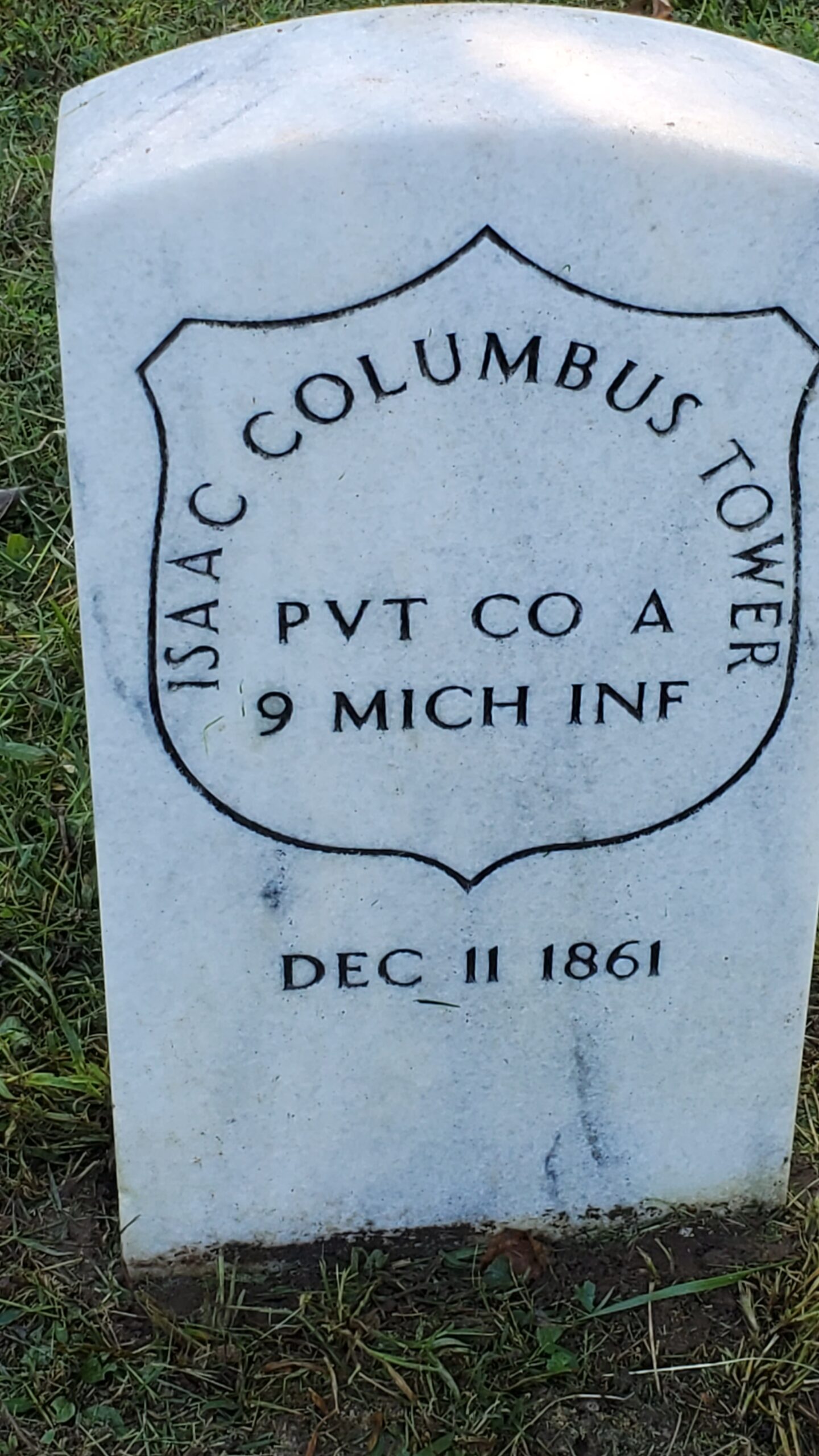
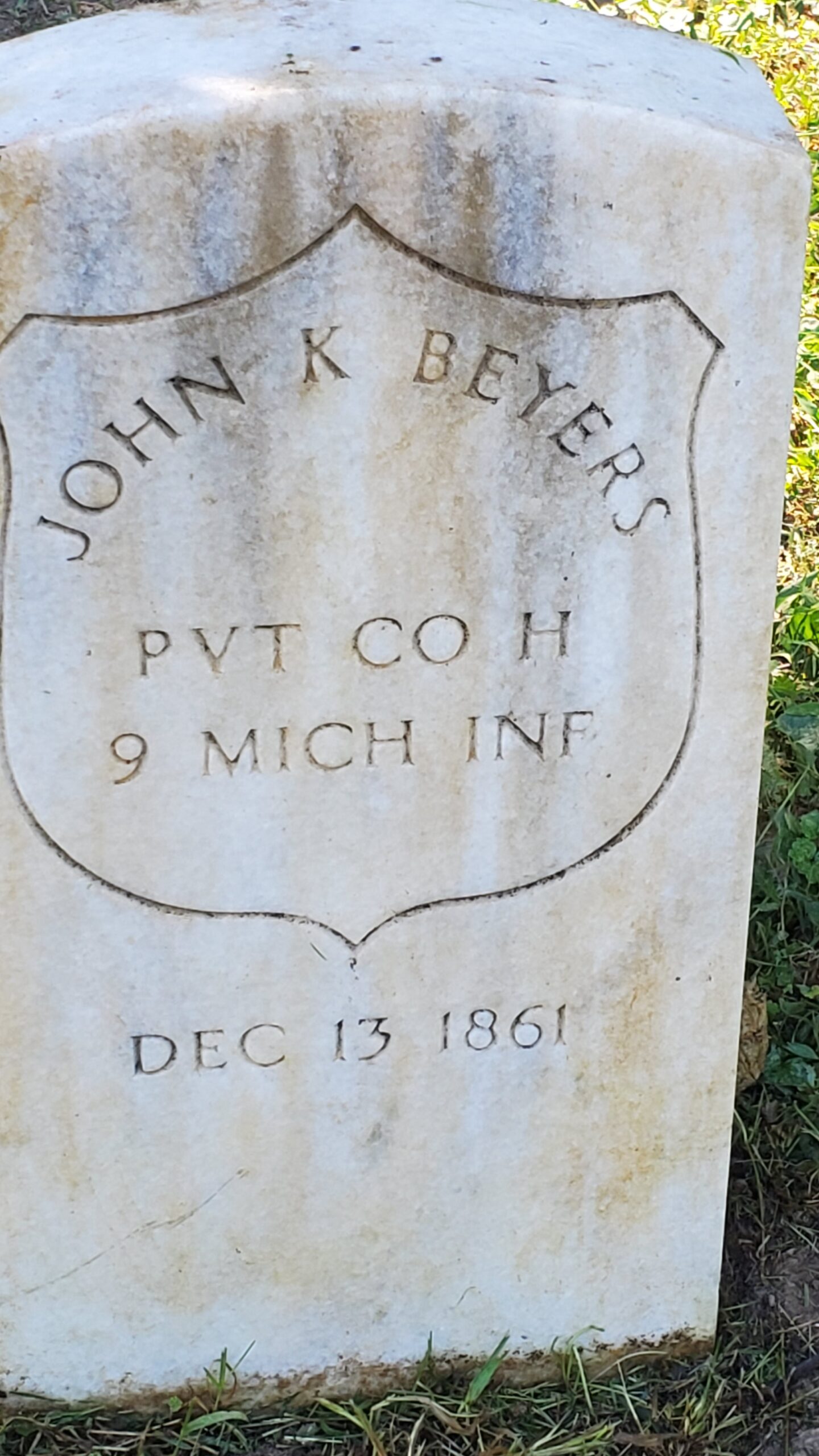
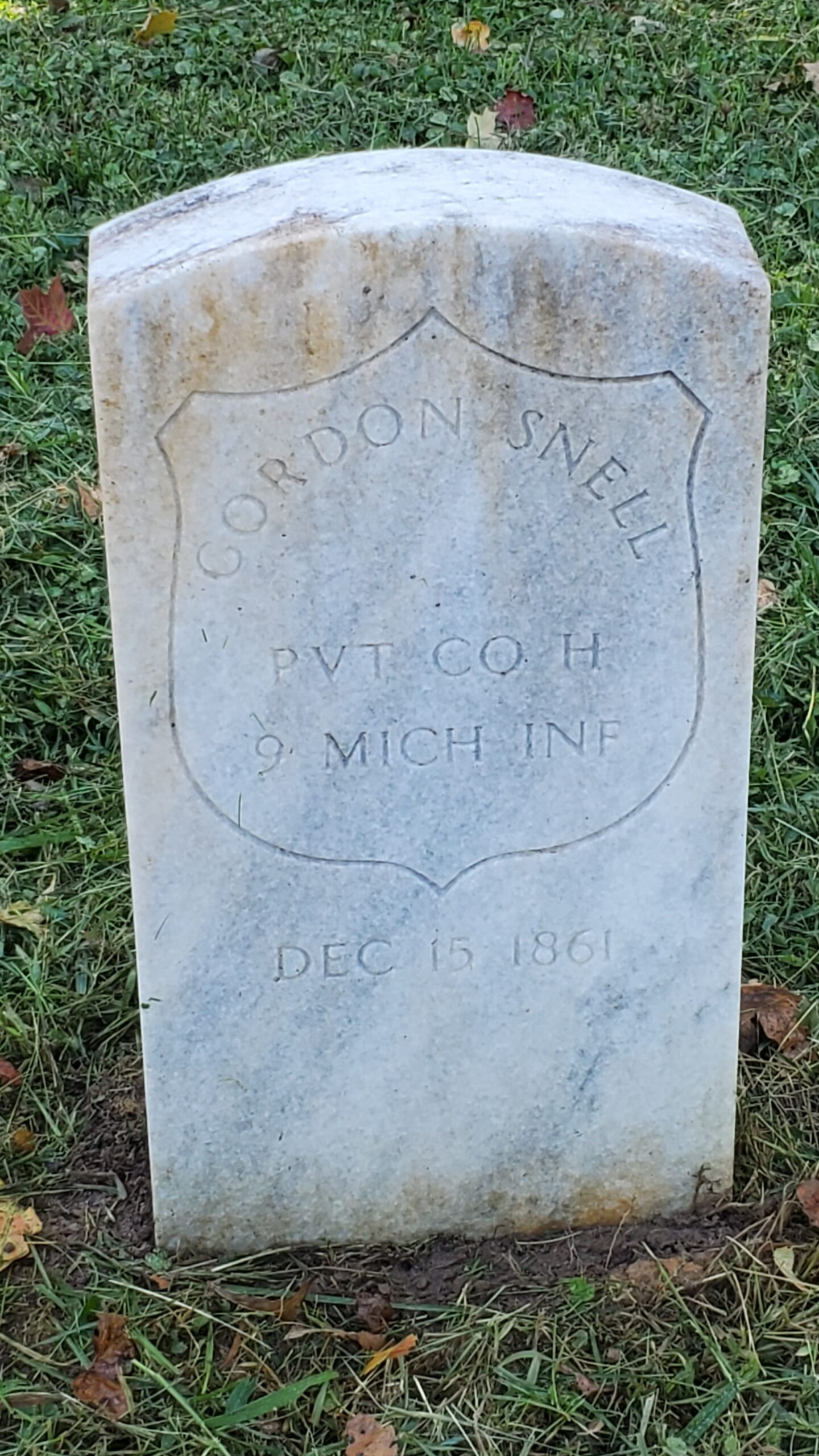
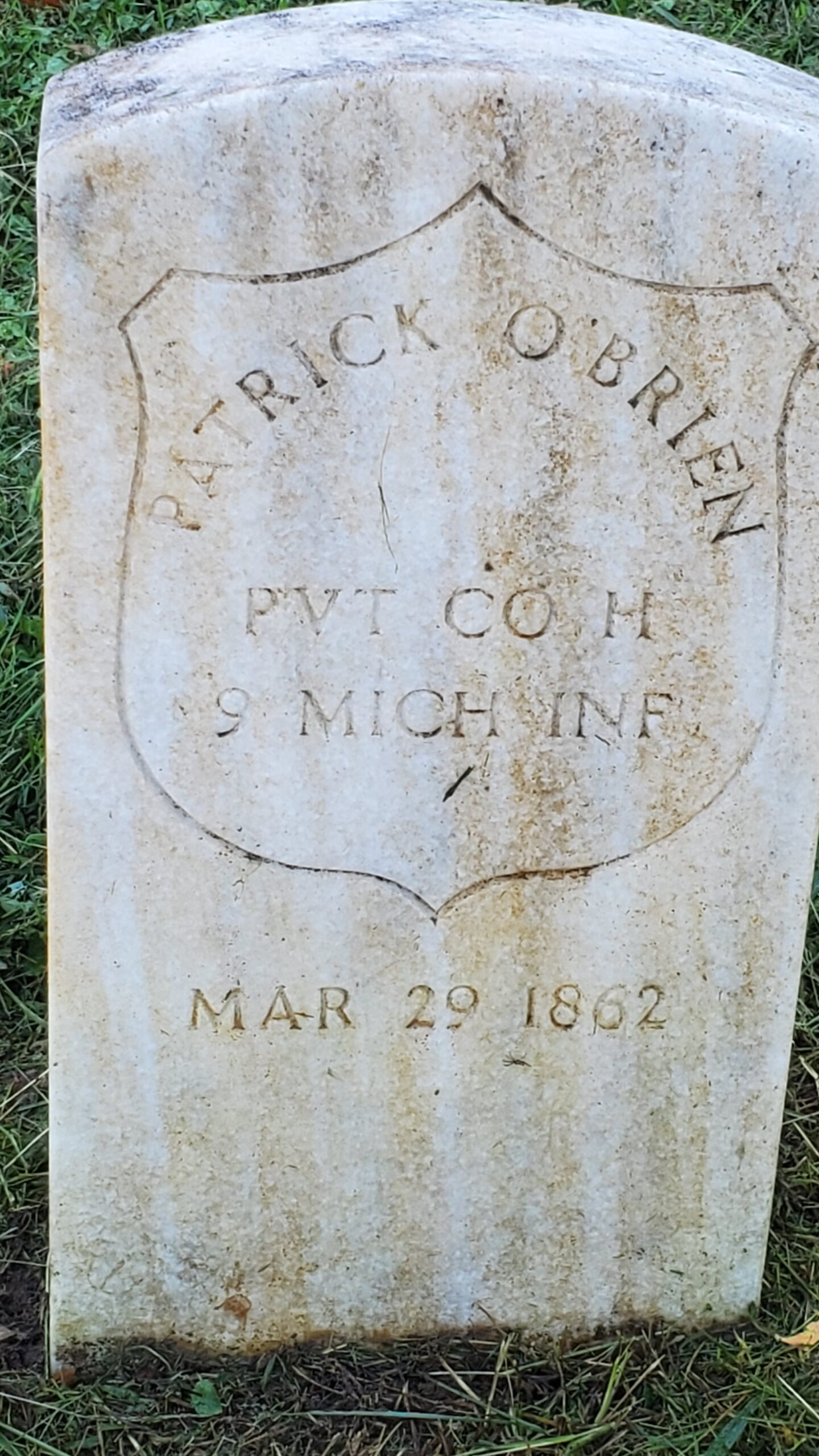
To see original evidence of the soldiers who served and died here:
The Memorial on the Hill
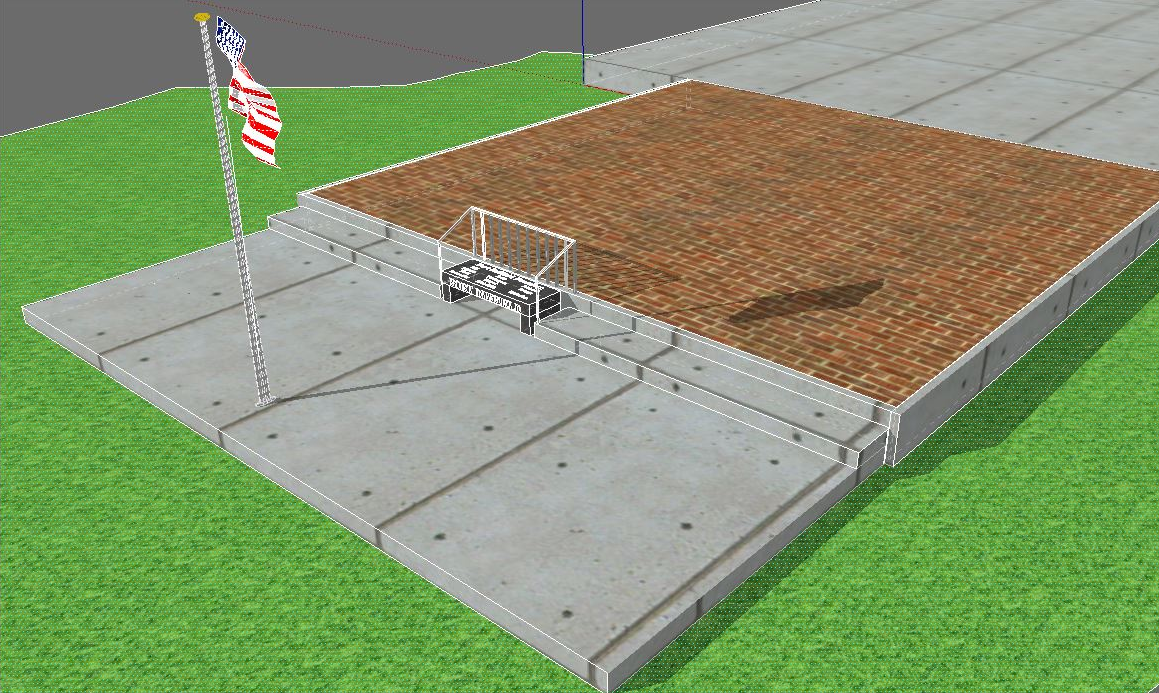
The memorial on Memorial Hill has changed over time. The original brass plaque was stolen the
same day it was installed. The engraved stone now in place preserves the names and memory of the
soldiers who died here during the winter of 1861–62.
Where the Soldiers Were Buried
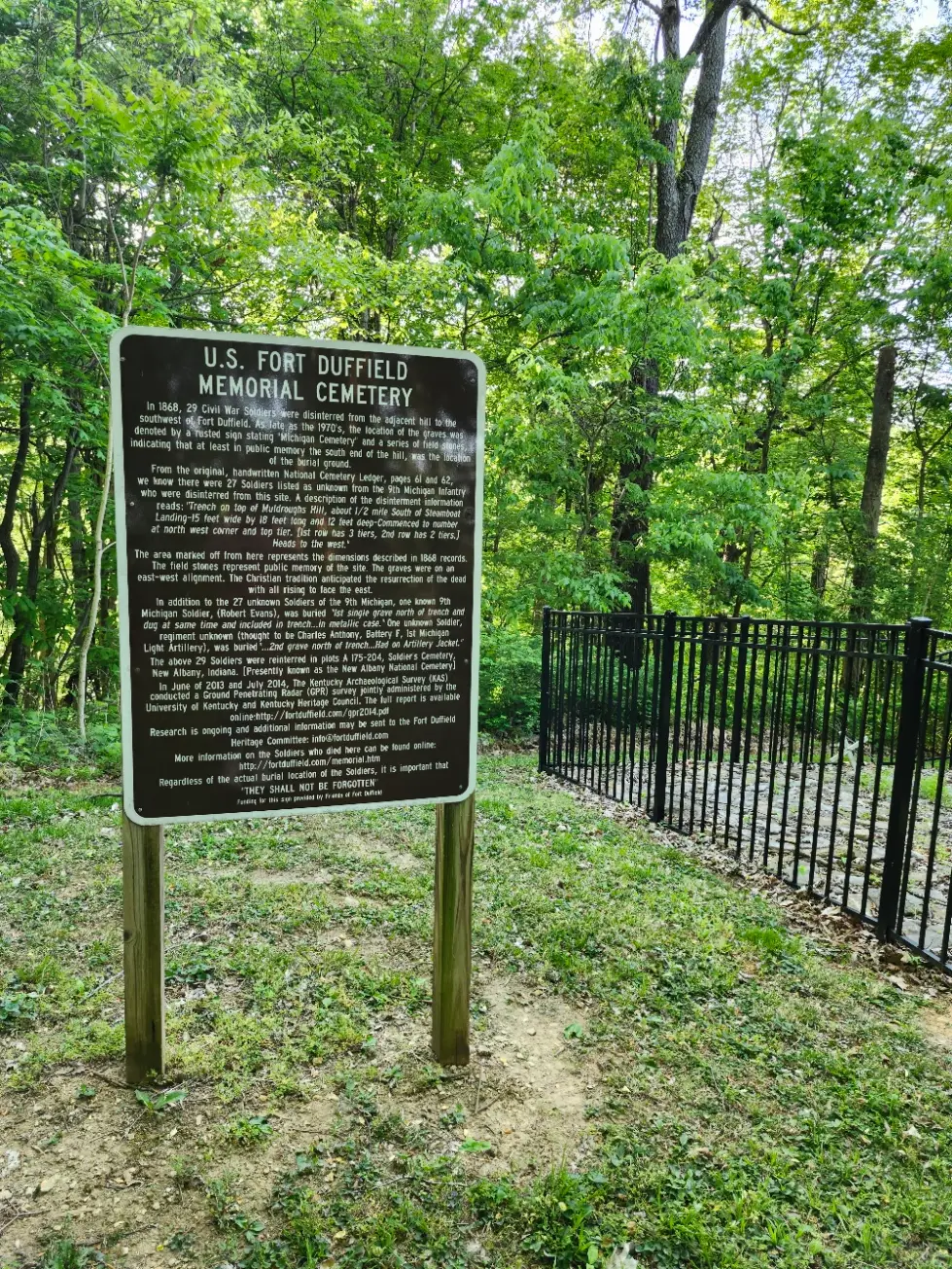
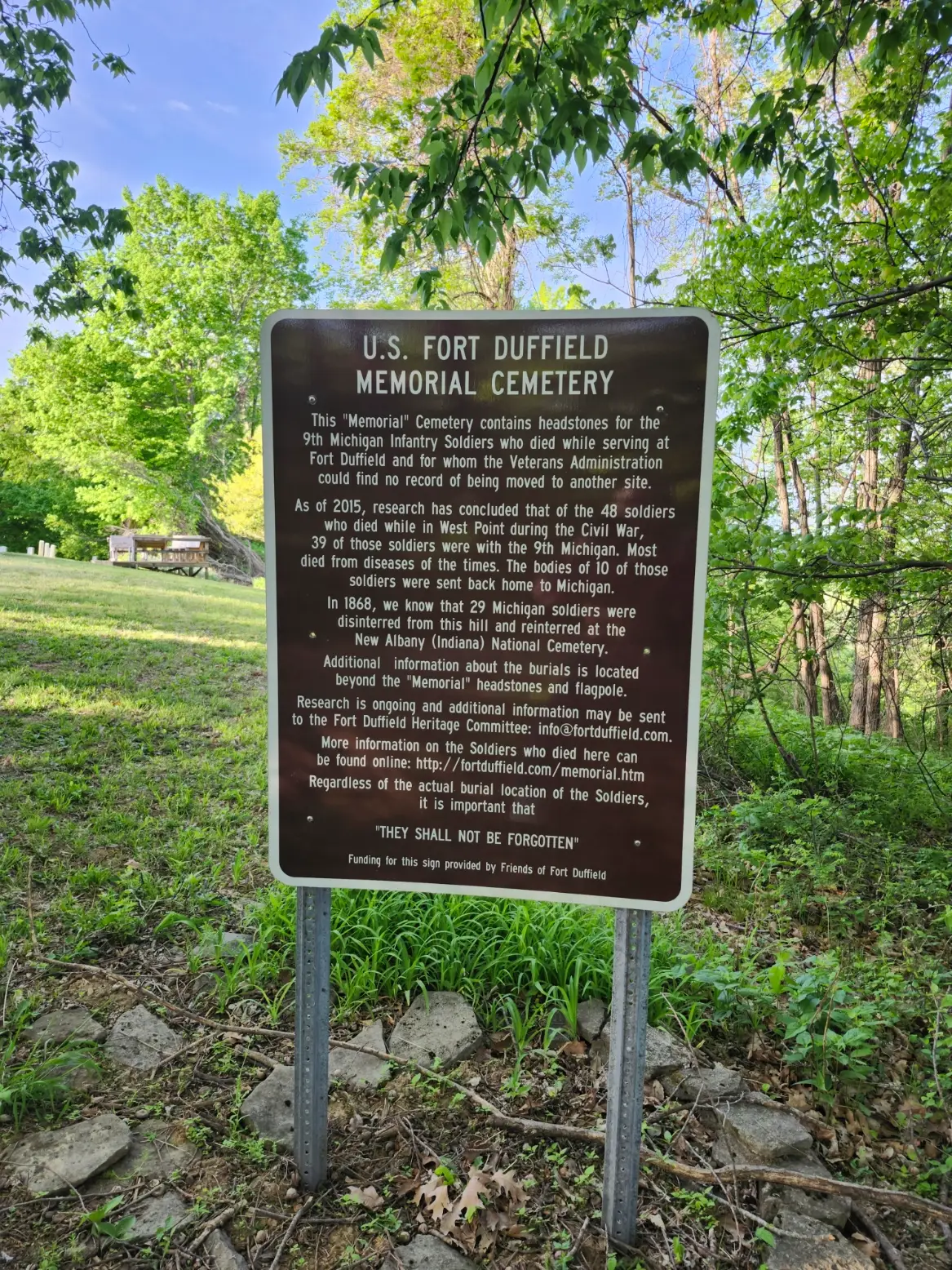
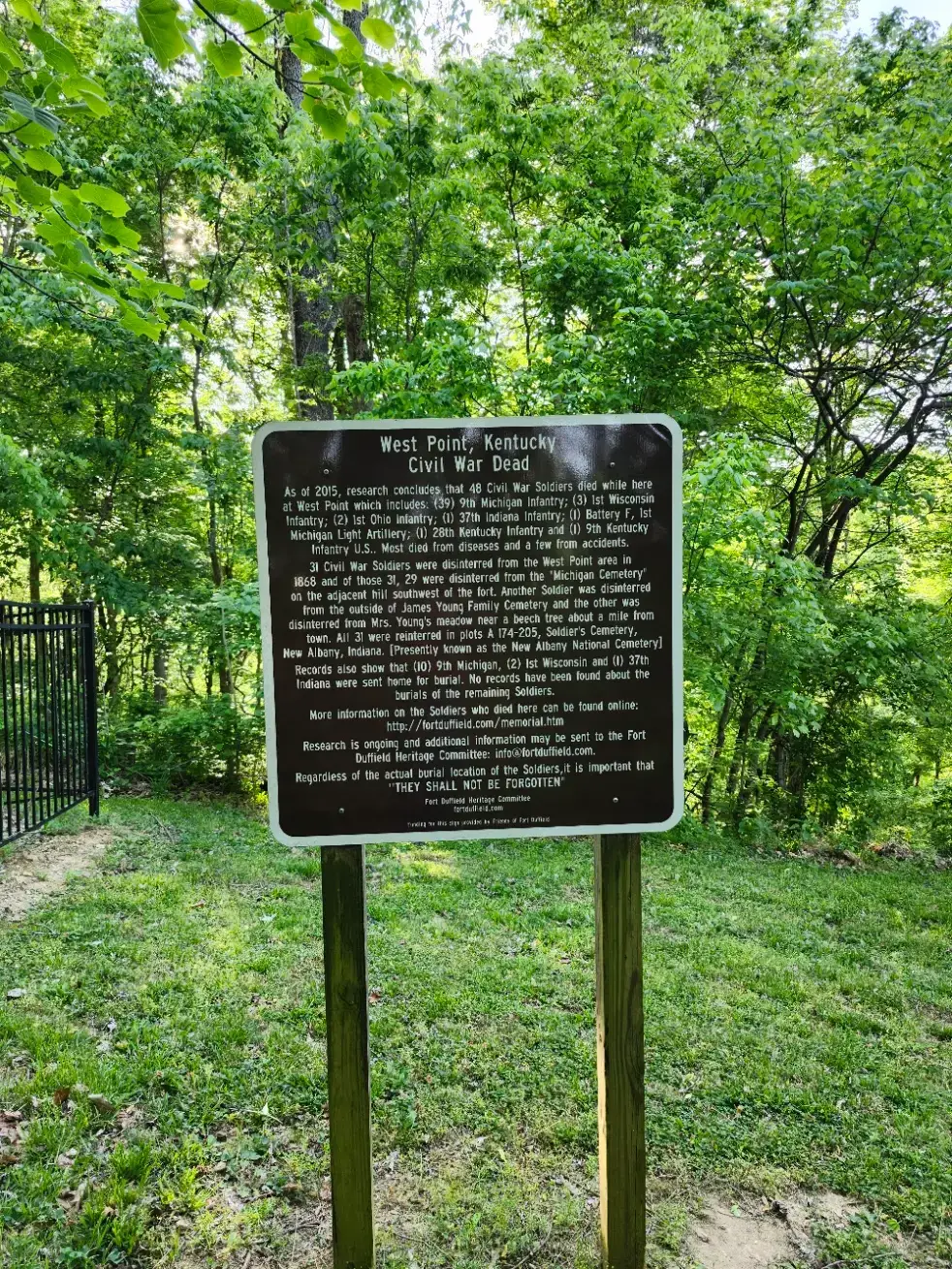
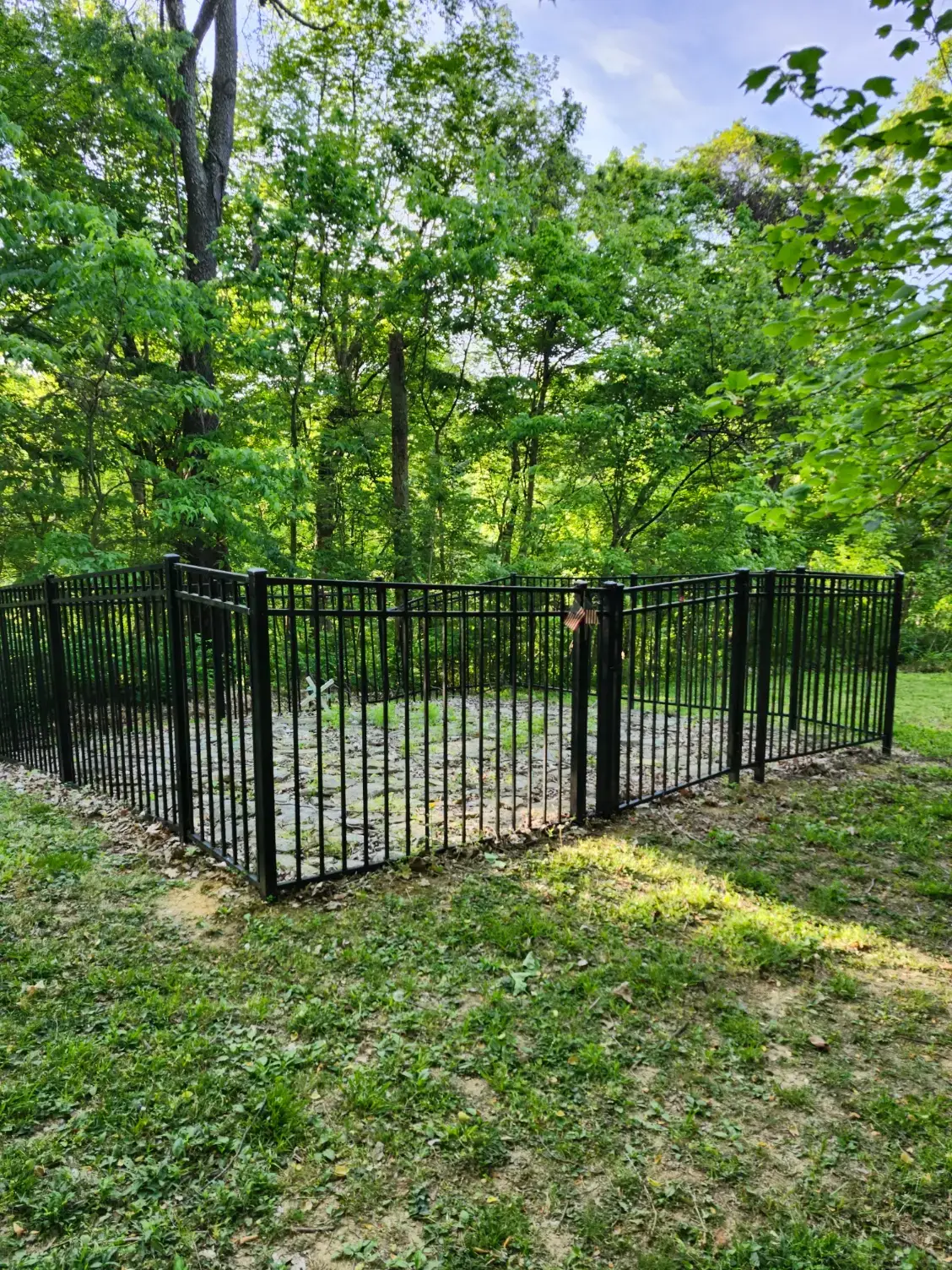
At the top of Memorial Hill, a series of interpretive signs mark the location where the soldiers
of Fort Duffield were originally buried during the winter of 1861–62. These signs preserve the
essential details: who these men were, the units they served with, the conditions they faced,
and why this hillside became their final resting place.
What the Signs Tell Us
The interpretive signs document that the soldiers buried here belonged primarily to the
9th Michigan Infantry and the 1st Wisconsin Infantry.
These men died during the fort’s first winter, when disease, exposure, and inadequate shelter
proved deadlier than combat.
The original graves were simple, marked only with wooden headboards or field stones. None of
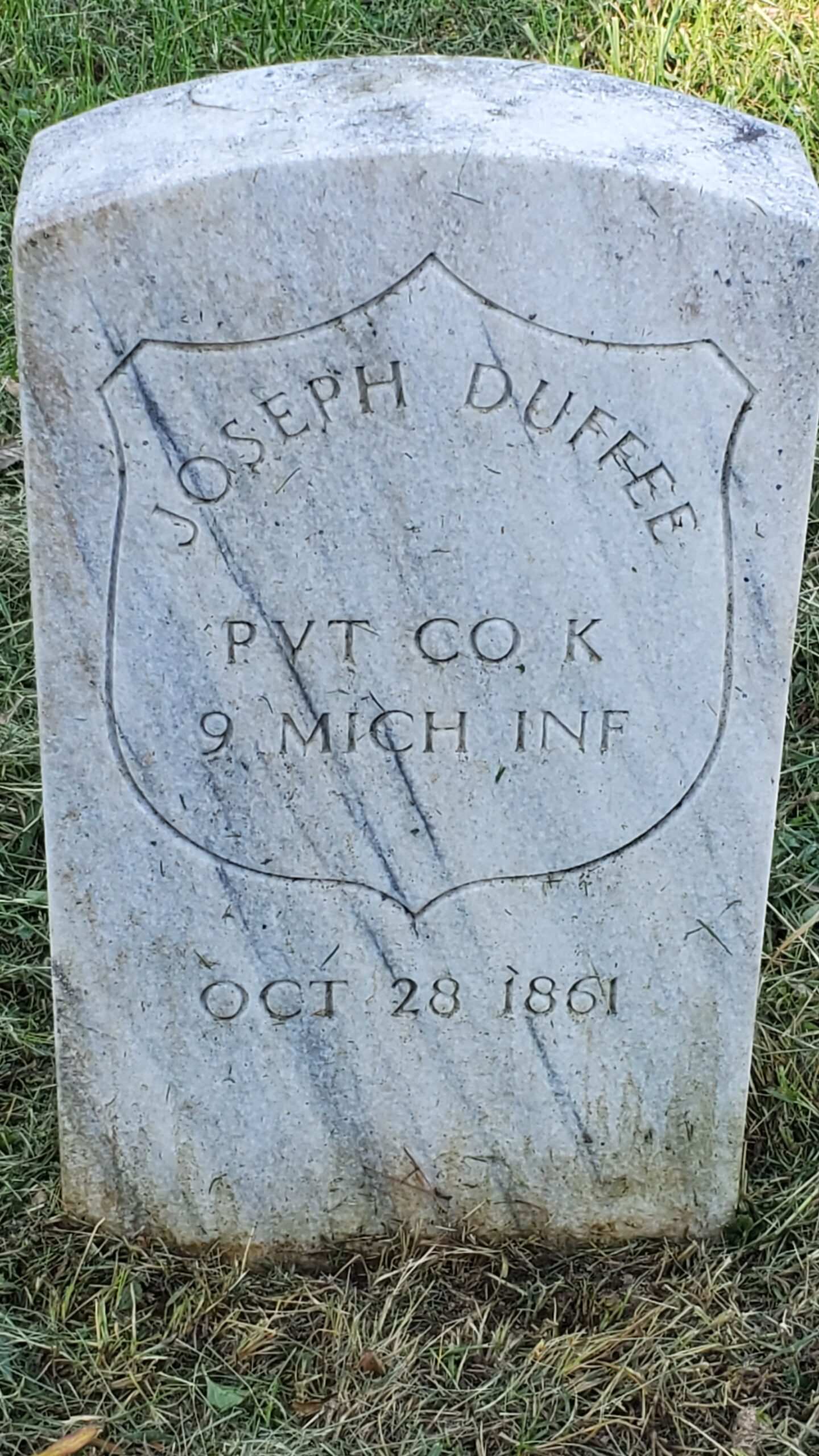
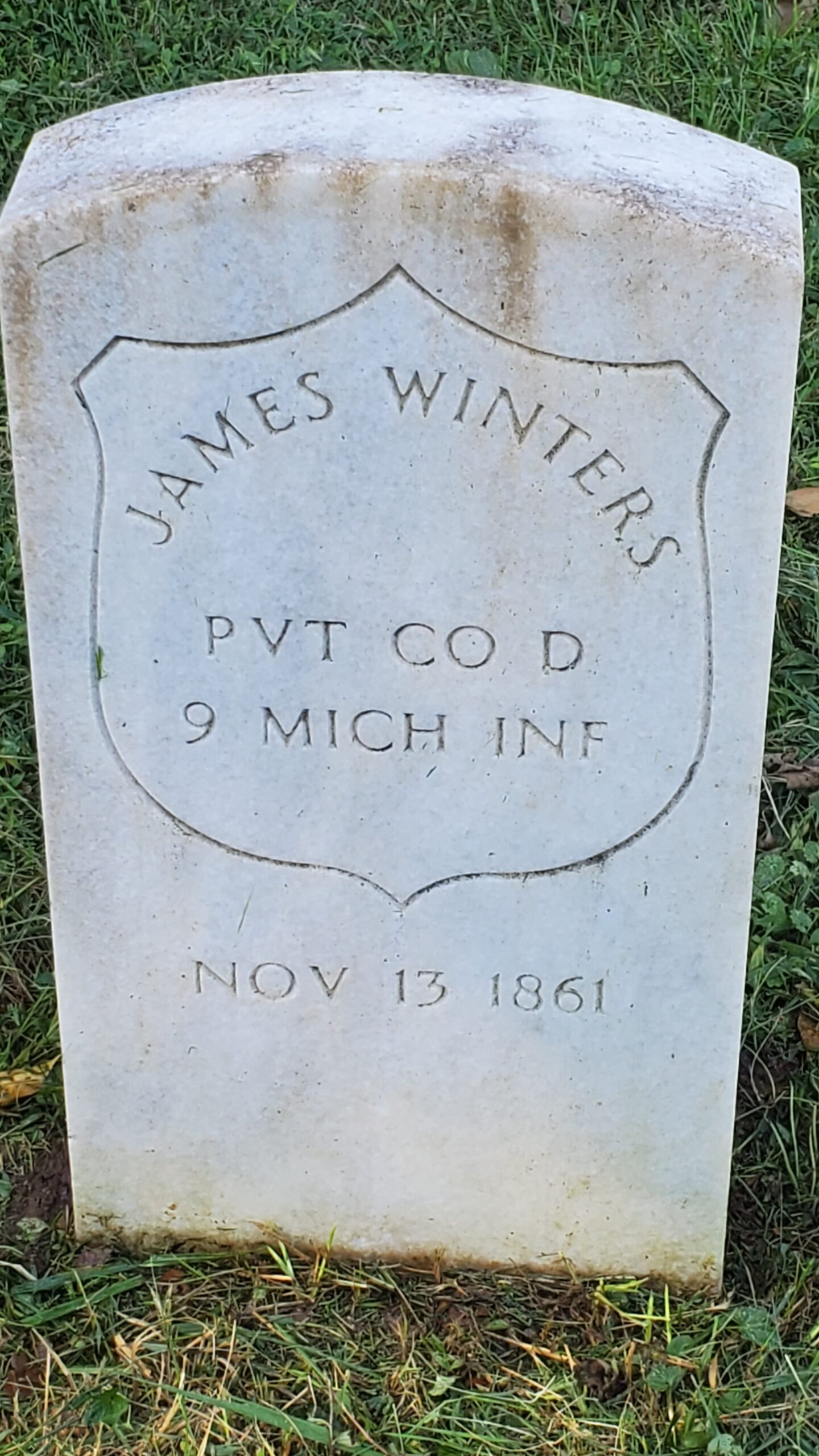
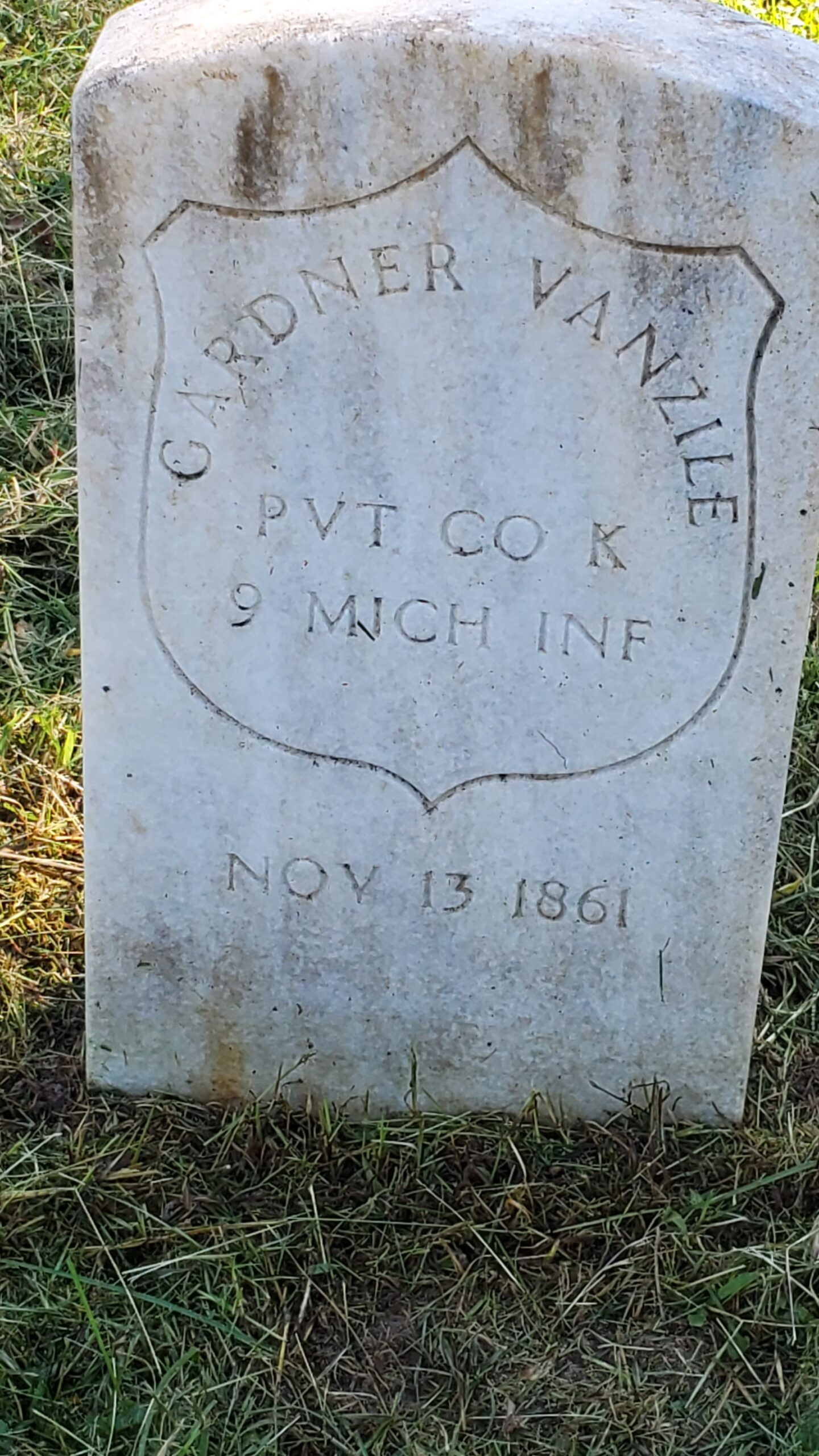
these markers survive today. The modern memorial stones and plaques preserve the names, units,
and dates of death of the soldiers who were once buried on this slope.
What the Records Reveal
Disease and exposure were the primary causes of death during the winter of 1861–62. Soldiers of
the 9th Michigan Infantry and 1st Wisconsin Infantry suffered
from measles, typhoid, pneumonia, chronic diarrhea, and the effects of inadequate shelter on the
cold ridge above West Point.
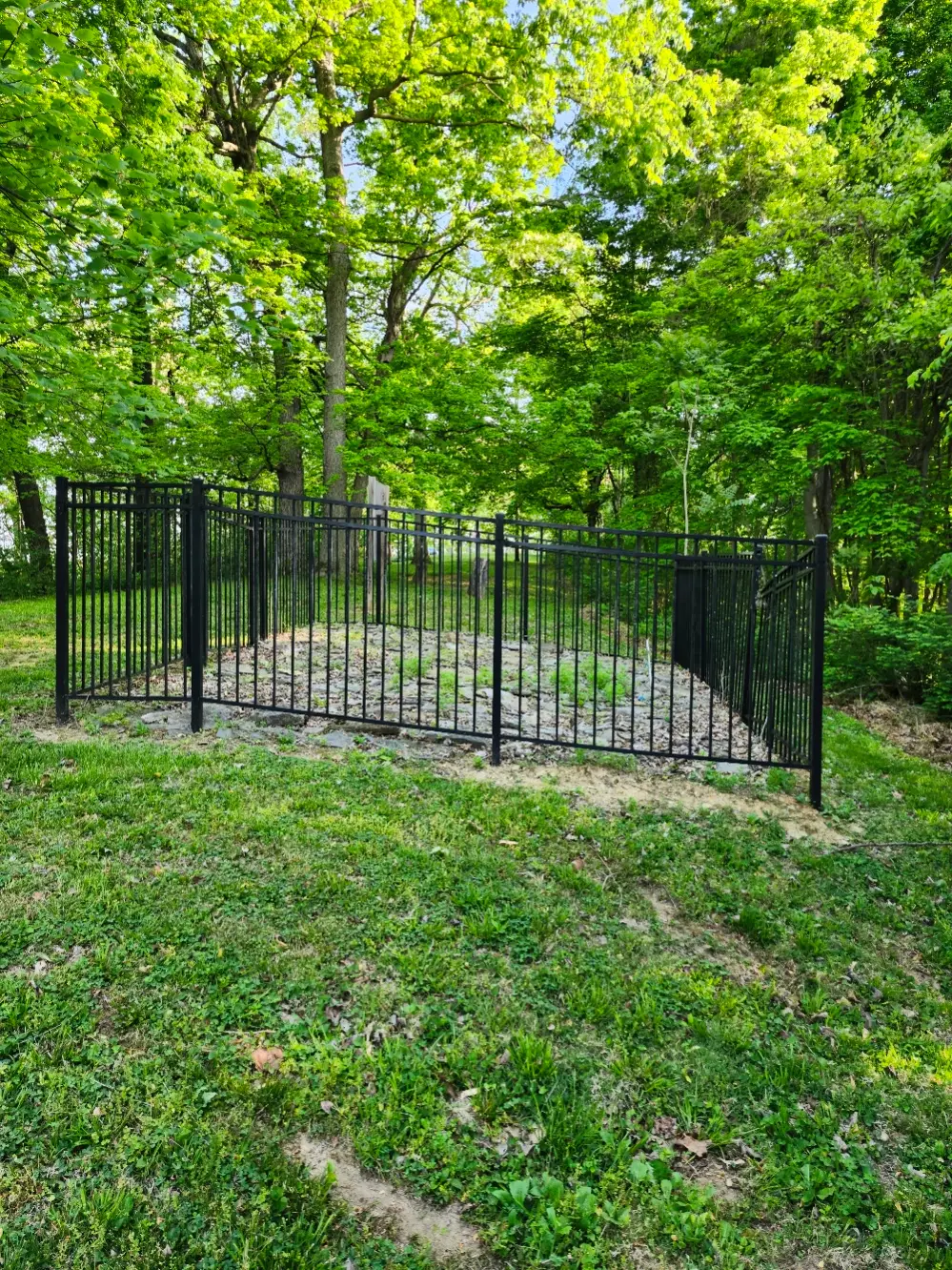
The original trench burial area measured approximately 14 feet wide by
18 feet long. Within this compact 252‑square‑foot space,
27 soldiers were buried in three parallel rows during the worst
weeks of the winter.
- Total soldiers in trench: 27
- Rows: 3 (7 graves, 6 graves, 6 graves)
- Burial depth: 3–4 feet
- Spacing: 2–3 ft between graves; 4–5 ft between rows
- Orientation: East–west along the slope
The larger cemetery on Memorial Hill originally held at least 61 soldiers, as
recorded on the historic marker. Research conducted by 2013 identified
48 of these men by name, with the remaining individuals still unconfirmed due to
incomplete wartime records and the loss of original wooden markers.
None of the original headboards or field stones survive today. The modern memorial stones and
interpretive signs preserve the names, units, and dates of death of the soldiers who once rested
in the hillside trench and the surrounding burial ground.
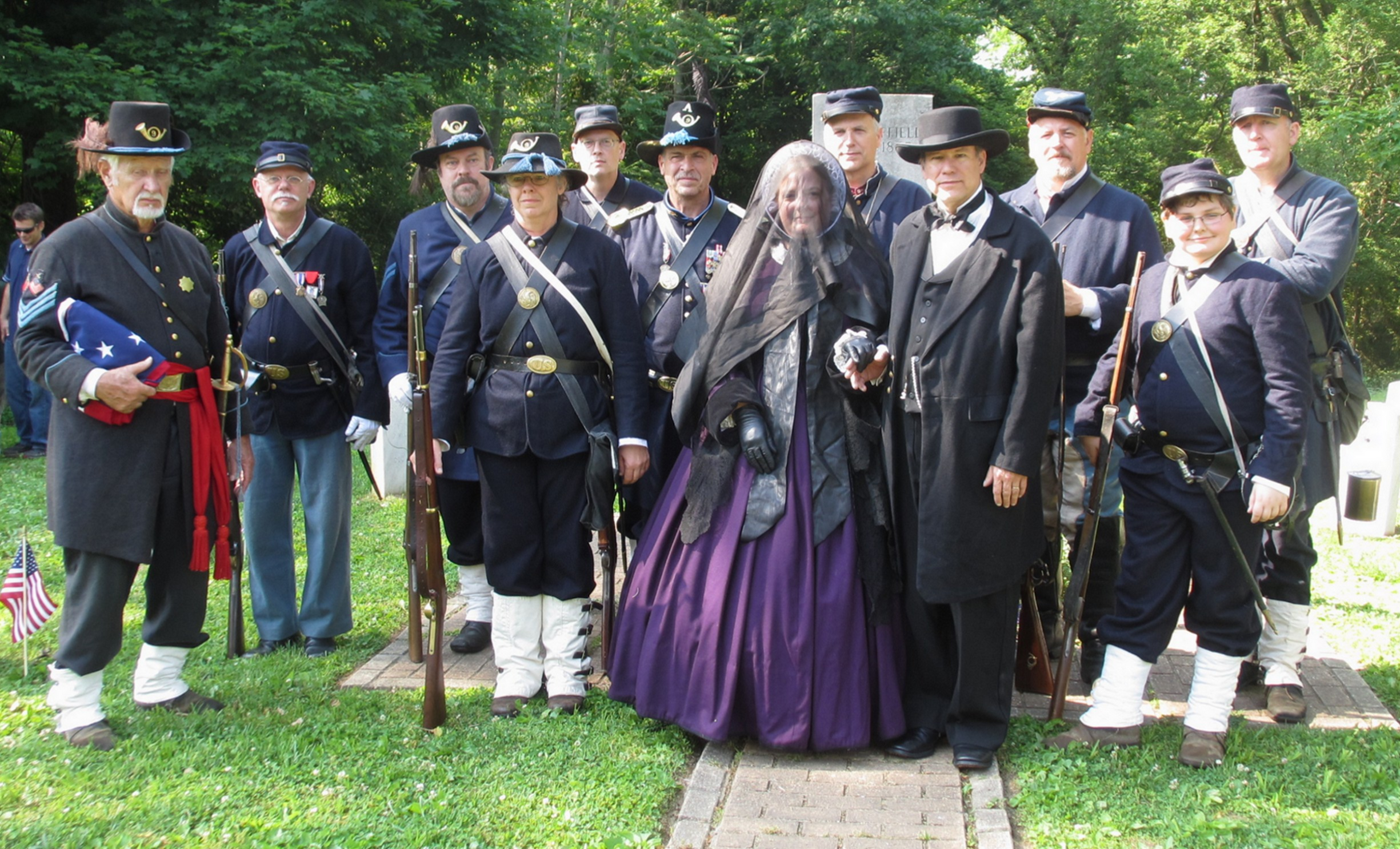
Memorial Day Ceremony
The Pavilion-Front Memorial
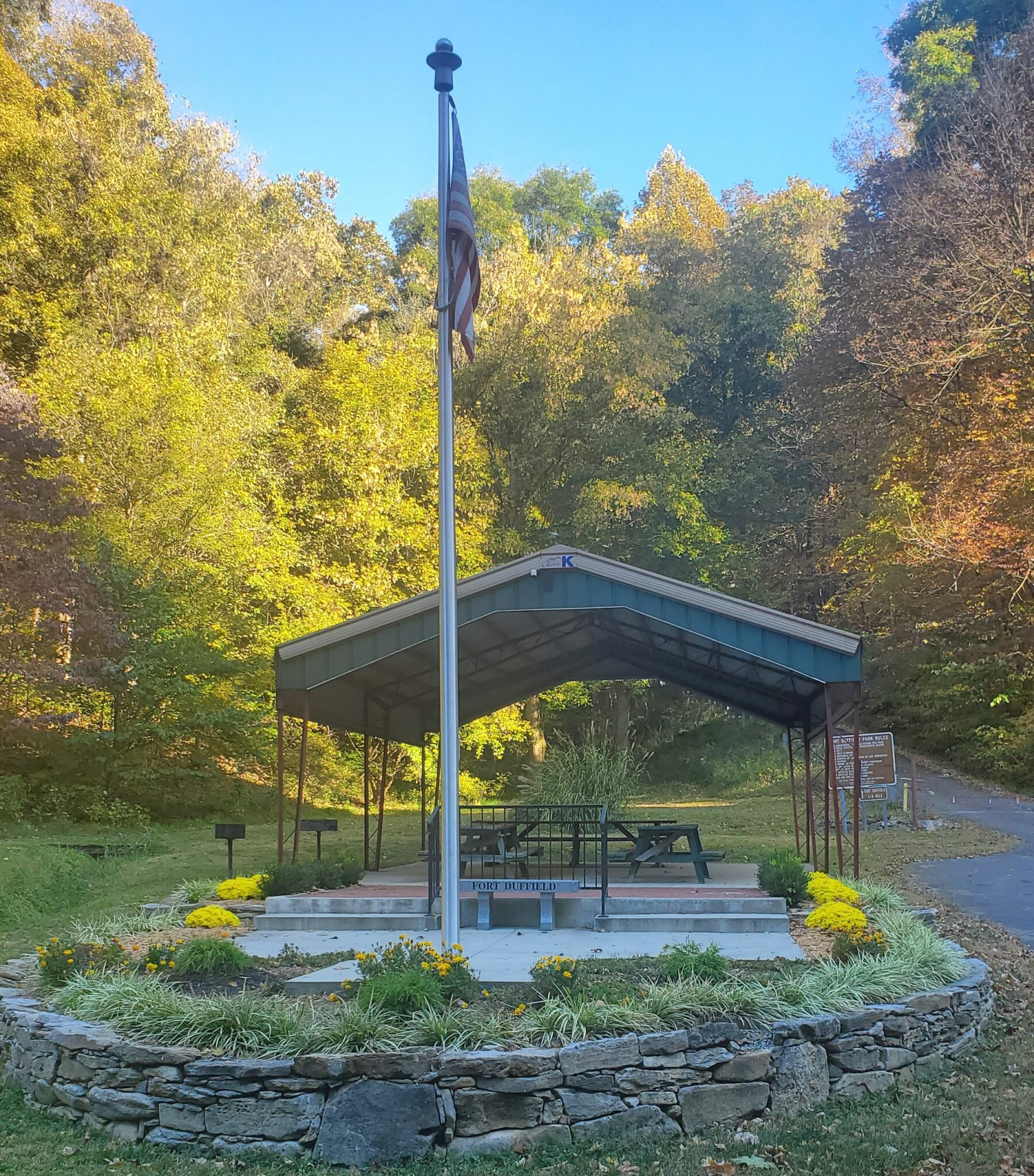
Memorial Plaza Layout