The story of Fort Duffield is the story of the men who built it, defended it, and endured one of the harshest winters of the Civil War atop the ridge above West Point. Their labor and sacrifice shaped the fort and the legacy it carries today.
Quick Links
Foundational Figures
Colonel William W. Duffield — The Fort’s Namesake
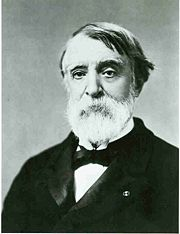
Colonel William Ward Duffield commanded the 9th Michigan Infantry, the regiment responsible for constructing Fort Duffield during the winter of 1861–62. A disciplined officer and experienced engineer, Duffield oversaw the organization, training, and readiness of his men during one of the harshest early‑war encampments in Kentucky.
The soldiers of the 9th Michigan held Duffield in high regard. When they completed the massive earthwork fortification above West Point, they chose to name it in his honor — a tribute to a commander they respected for his fairness, competence, and steady leadership during the uncertain opening months of the Civil War.
Duffield later rose to the rank of brigadier general and continued to serve with distinction. Yet it is the fort that bears his name — built by cold, exhausted, determined Michigan volunteers — that remains one of the most enduring symbols of his early Civil War service.
Abraham Lincoln — 16th President of the United States
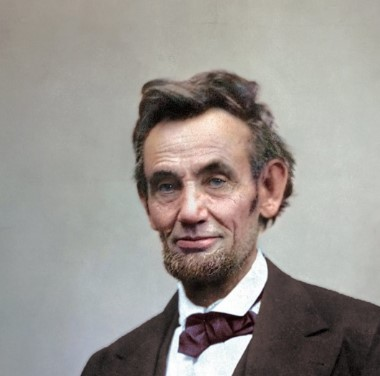
Abraham Lincoln, the 16th President of the United States, guided the nation through its greatest constitutional and moral crisis. His leadership during the Civil War preserved the Union and transformed the conflict into a struggle for human freedom.
Lincoln’s wartime decisions shaped every aspect of the Western Theater, including the military conditions that led to the construction of Fort Duffield. His call for volunteers, his support for Kentucky’s loyalty, and his insistence on securing the Ohio River Valley directly influenced the deployment of the 9th Michigan Infantry to West Point.
Although Lincoln never visited Fort Duffield, his policies and orders defined the lives of the soldiers who built and defended it. The fort stands today as part of the broader legacy of Lincoln’s determination to preserve the Union and extend the promise of liberty.
Union Commanders Connected to Fort Duffield
Major General William “Bull” Nelson
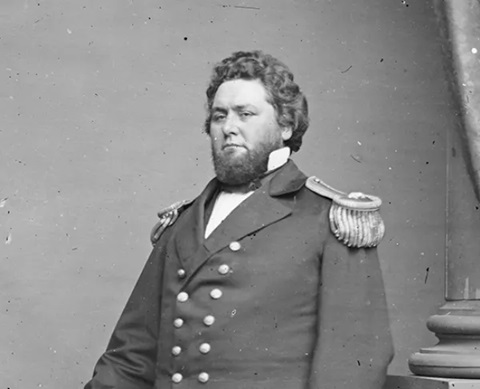
William “Bull” Nelson was one of the most forceful and influential Union leaders connected to the early defense of Kentucky. Though he did not design or command Fort Duffield, his actions directly shaped the military conditions that made the fort necessary. His brief but important presence in West Point ties him firmly into the story of the fort, the Army of the Ohio, and the defense of Louisville.
More About Major General William “Bull” Nelson
Panel 1 — The Man: William “Bull” Nelson
William “Bull” Nelson (1824–1862) was a towering naval officer turned Union general, personally selected by President Abraham Lincoln to secure Kentucky’s loyalty in 1861.
Panel 2 — Nelson’s Connection to Fort Duffield
Nelson’s work in 1861 directly shaped the environment that led to the construction of Fort Duffield.
Panel 3 — Where Nelson Operated in West Point
- Ohio River Landing
- Camp Blair
- Supply depots
- Road network toward Muldraugh Hill
Panel 4 — Unified Timeline
- Summer–Fall 1861: Nelson organizes Union Home Guards.
- November 1861: Fort Duffield is ordered.
- Dec 1861 – Feb 1862: Buell establishes HQ at West Point.
- February 1862: Nelson’s division embarks for Tennessee.
Major General Don Carlos Buell
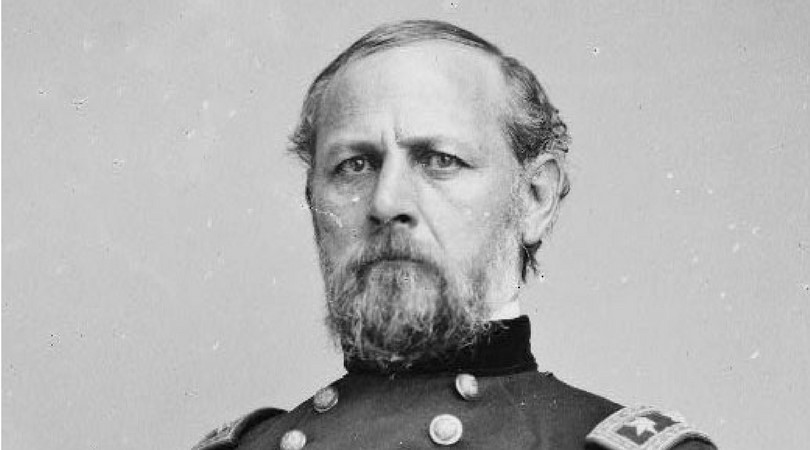
Major General Don Carlos Buell commanded the Department of the Ohio during the winter of 1861–62 and established his headquarters in West Point, Kentucky.
From West Point, Buell directed the movement of thousands of Union troops and oversaw the supply network feeding the Louisville & Nashville Turnpike.
Buell’s leadership shaped the military environment in which Fort Duffield was constructed and manned.
Ann Eliza (Elizabeth) McCoy — Young’s Tavern House
Ann Eliza (Elizabeth) McCoy was a respected West Point innkeeper whose tavern—known locally as Young’s Inn or Young’s Tavern House—stood at the heart of the community.
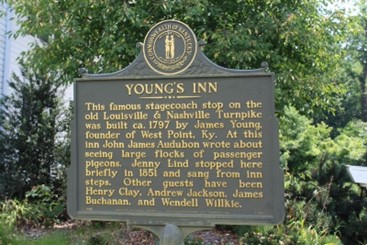
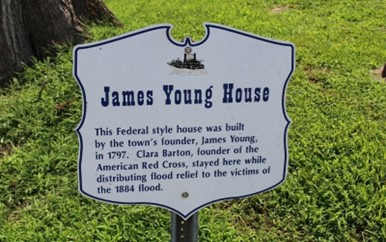
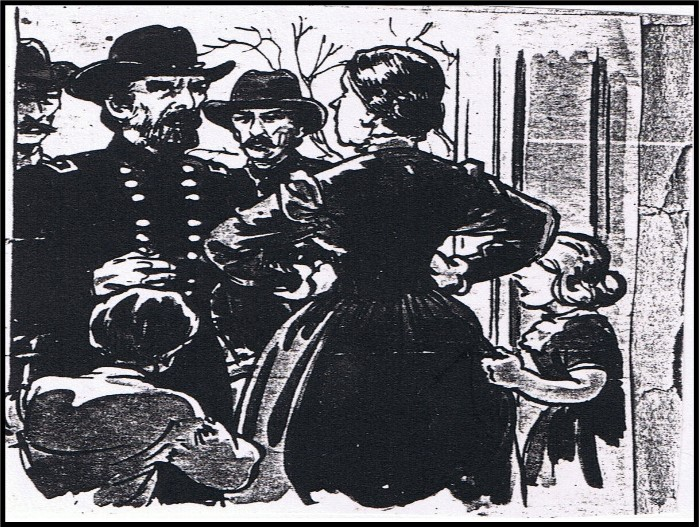
During the winter of 1861–62, West Point served as the headquarters of Major General Don Carlos Buell.
Bursting into the dining room, Buell barked:
“I want fresh horses and food for 75 men and I want it damn double quick.”
Mrs. McCoy calmly replied:
“As for horses, we have none. They have all been taken back in the hills. But for your meal, you will have it — but I don’t know how damn double quick it will be.”
Old West Point residents later said this was the only cuss word she ever uttered in her 93 years.
General William Tecumseh Sherman — Department of the Cumberland
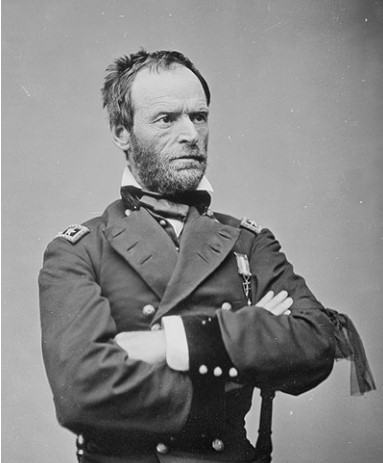
Sherman warned early that the junction of the Salt and Ohio Rivers was a strategic choke point — a warning that directly influenced the construction of Fort Duffield.
Major General George H. Thomas — “The Rock of Chickamauga”
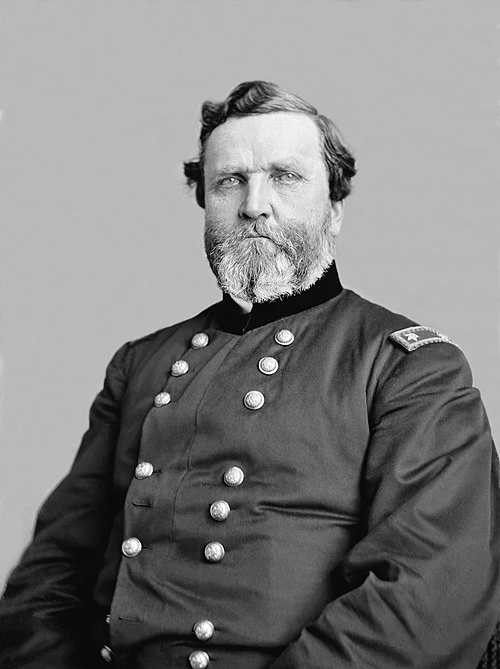
Thomas inspected the 9th Michigan Infantry during the winter of 1861–62 and personally commended the regiment that built Fort Duffield.
Major General Jeremiah T. Boyle — Union Commander in Kentucky
Boyle’s directives emphasized securing the Salt and Ohio River junction — the same strategic ground Fort Duffield was built to defend.
Major General Ormsby M. Mitchel — Astronomer, Engineer, Commander
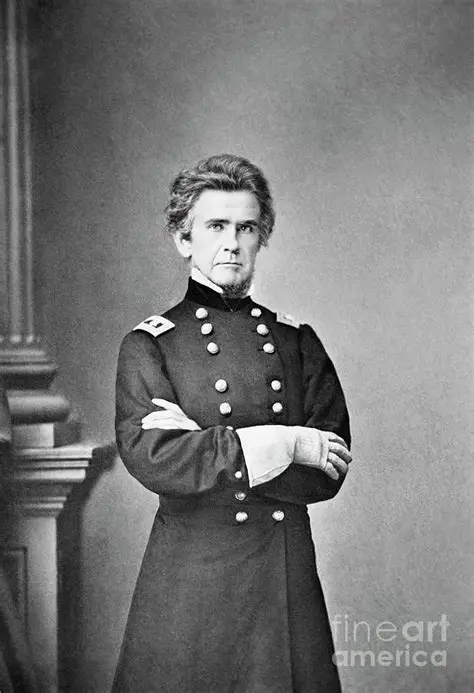
Mitchel’s strategic priorities helped shape the broader environment in which Fort Duffield was built.
Brigadier General Alexander McDowell McCook — Union Division Commander
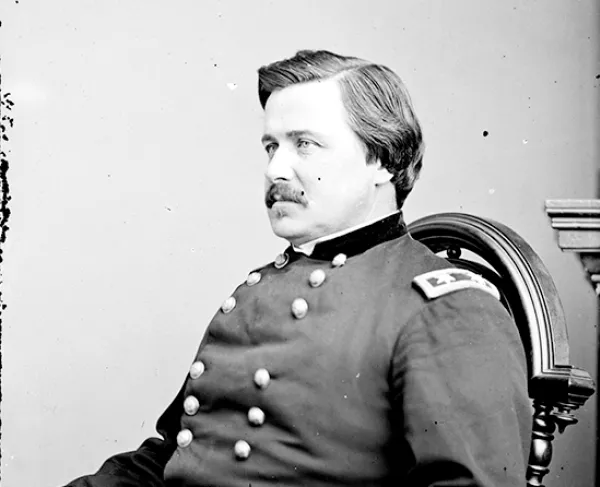
McCook’s forces operated within the same defensive corridor that made Fort Duffield essential to Union strategy.
Brigadier General Lovell H. Rousseau — Kentucky Union Leader
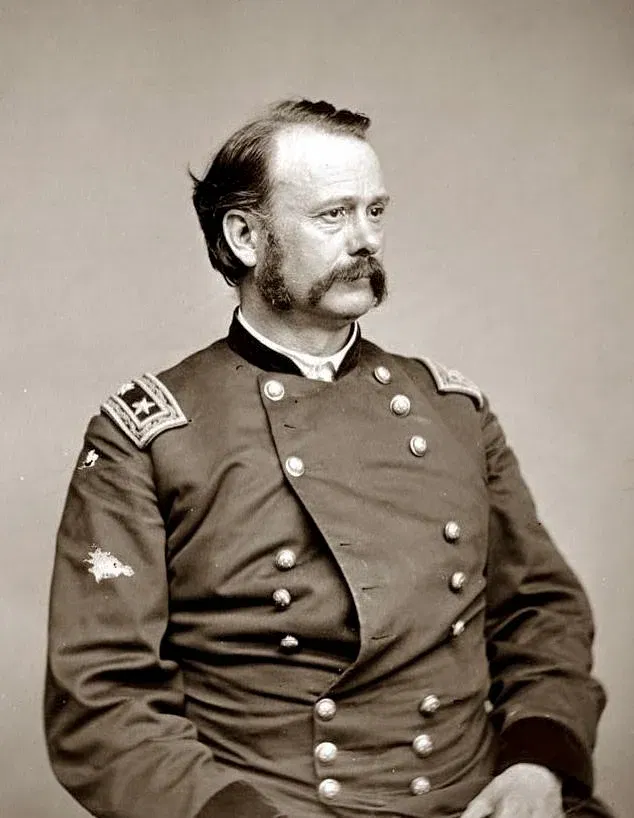
Lovell Harrison Rousseau was a Kentucky statesman and Union general whose leadership helped secure the Commonwealth during its most fragile early-war months. He raised the Louisville Legion and became one of the state’s most influential Union commanders.
Rousseau’s troops operated along the Ohio River and the Louisville–Nashville corridor — the same routes Fort Duffield was built to protect. His work stabilizing Kentucky directly shaped the environment in which the fort was constructed and manned.
Colonel John T. Croxton — Rising Kentucky Officer
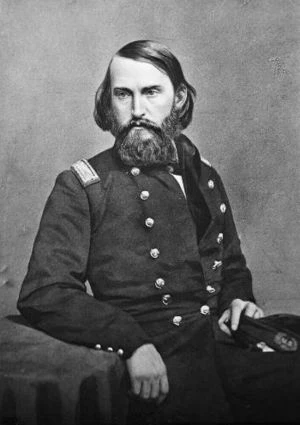
John Thomas Croxton was a young Kentucky officer who rose rapidly through the ranks, eventually becoming a brigadier general. Known for energy and initiative, he later led cavalry during the Atlanta Campaign.
Croxton’s early service placed him within the same defensive network that included West Point and Fort Duffield. His units operated along the supply lines and river crossings that the fort was built to secure.
Lieutenant Colonel Oliver L. Shepherd — Regular Army Professional
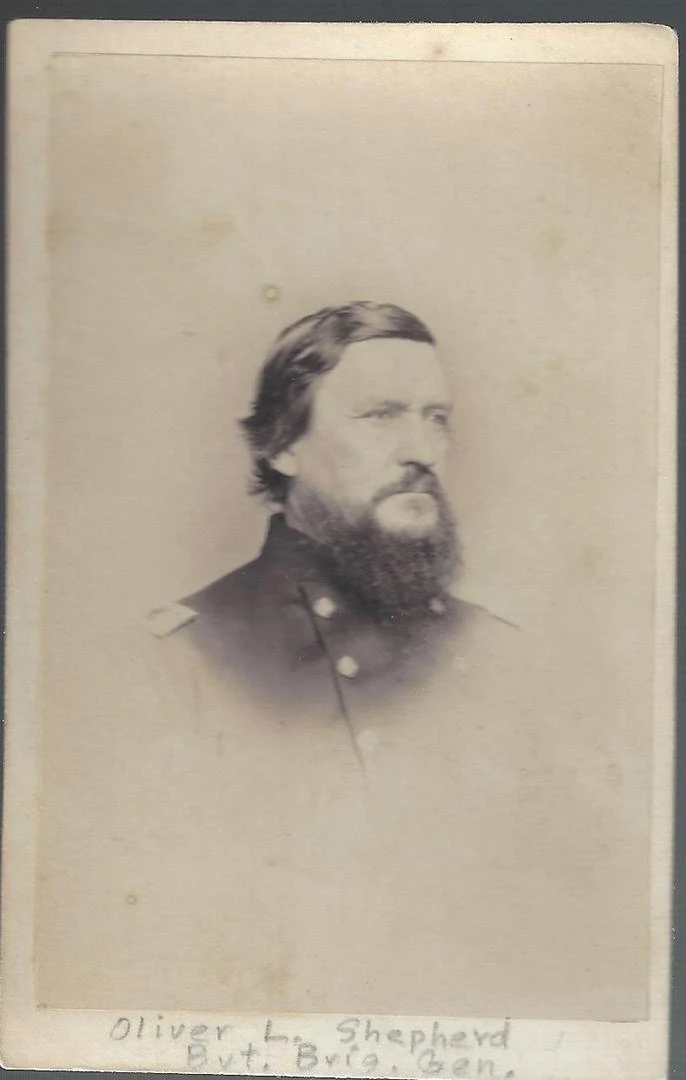
Oliver L. Shepherd was a career U.S. Army officer whose disciplined leadership shaped the early-war performance of the 18th U.S. Infantry. A veteran of the Mexican War, he brought professionalism and structure to the volunteer-heavy Western Theater.
Shepherd’s regiment operated in the same strategic district as West Point, reinforcing the need for strong defensive positions like Fort Duffield.
Fort Duffield Command & Regimental Leadership
Colonel Charles V. DeLand — Commander, 9th Michigan Infantry
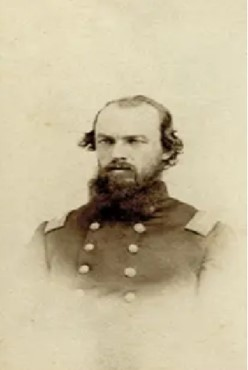
Colonel Charles Victor DeLand commanded Company C of the 9th Michigan Infantry, the regiment responsible for constructing Fort Duffield during the winter of 1861–62.
His letters remain an invaluable primary source for understanding the early service of the 9th Michigan Infantry and the creation of Fort Duffield.
Adjutant Henry M. Duffield — Administrative Officer, 9th Michigan Infantry
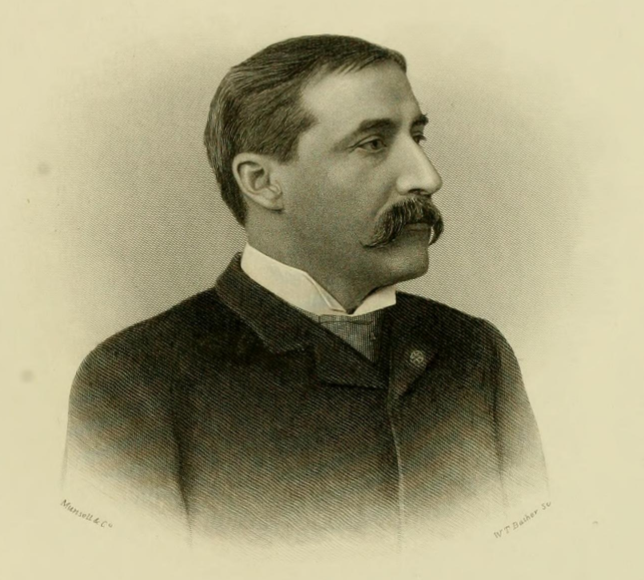
Henry Martin Duffield served as adjutant of the 9th Michigan Infantry — the regiment that built Fort Duffield in late 1861. As the administrative officer, he handled orders, reports, and the paperwork that kept the regiment functioning during its harsh winter encampment.
Major George W. Barth
Commanding Officer, Company H, 28th Kentucky Infantry (Union)
Major George W. Barth commanded Company H of the 28th Kentucky Infantry, one of the local Union units assigned to garrison and safeguard Fort Duffield. His family farm stood only three miles from the fort, on Pendleton Road near the Jefferson–Bullitt County line—an area later remembered as the site of the one‑room Barth School.
Major Barth Biography
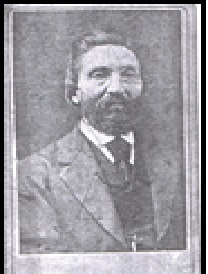
A Local Officer with Local Responsibilities
Barth’s command was unusual in that he lived so close to the fort he oversaw. His proximity meant he balanced military duty with concern for his family, who lived in a region increasingly threatened by guerrilla activity.
Decommissioning Fort Duffield
In early 1863, as Union strategy shifted southward, Major Barth was the officer who formally decommissioned Fort Duffield. He supervised the withdrawal of Company H and secured government property before the post was abandoned.
Guerrilla Threats and Emergency Leave
After the garrison departed, irregular Confederate bands intensified their harassment of Union‑leaning families. Barth’s own household was threatened and intimidated, prompting him to request emergency leave to move his wife and children to Louisville for their safety.
West Point Stories & Community Memory
Sergeant Charles Shane — Company F, 28th Kentucky Infantry
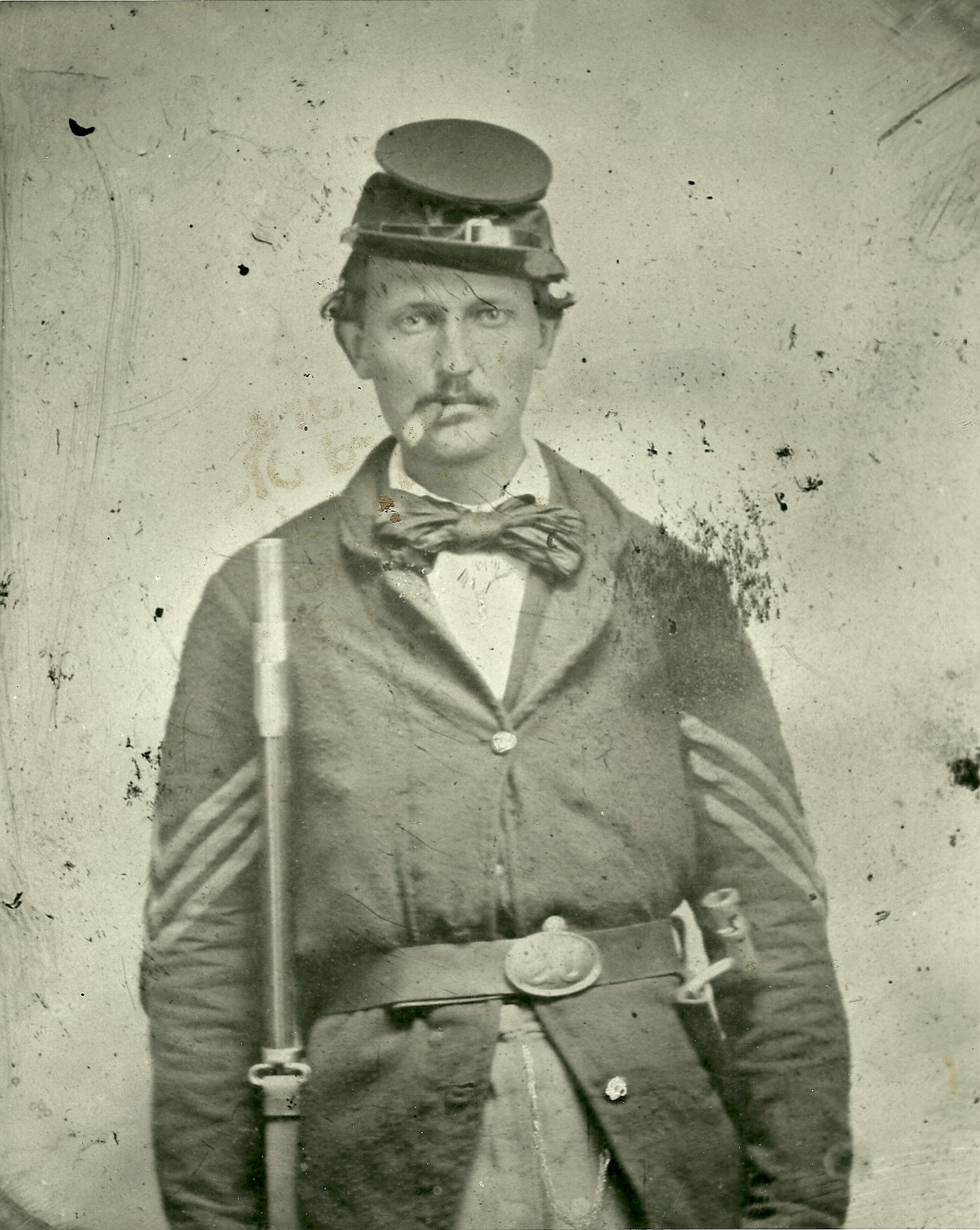
Sergeant Charles Shane served in Company F of the 28th Kentucky Infantry, one of the local regiments that occupied Fort Duffield during the fall of 1862 during General Don Carlos Buell’s rapid movement to defend Louisville. The 28th Kentucky drew heavily from Hardin, Bullitt, and Jefferson counties, making Shane’s presence at the fort part of West Point’s own wartime story.
After the war, Shane became a well‑known businessman in West Point and married Florence McCoy, connecting him to one of the town’s early families. His later life reflects the pattern of many local veterans who returned home to rebuild the community they had defended.
The regiment’s postwar service is one of the most dramatic episodes in Kentucky’s Civil War legacy: After Lee’s surrender, the 28th Kentucky was ordered to Texas. During the voyage, several other regiments aboard the same steamer mutinied, furious at being sent so far after the war had ended. The 28th Kentucky alone maintained discipline, protected the commanding general, and restored order, earning formal commendation.
Robert H. Hendershot — “Drummer Boy of the Rappahannock”
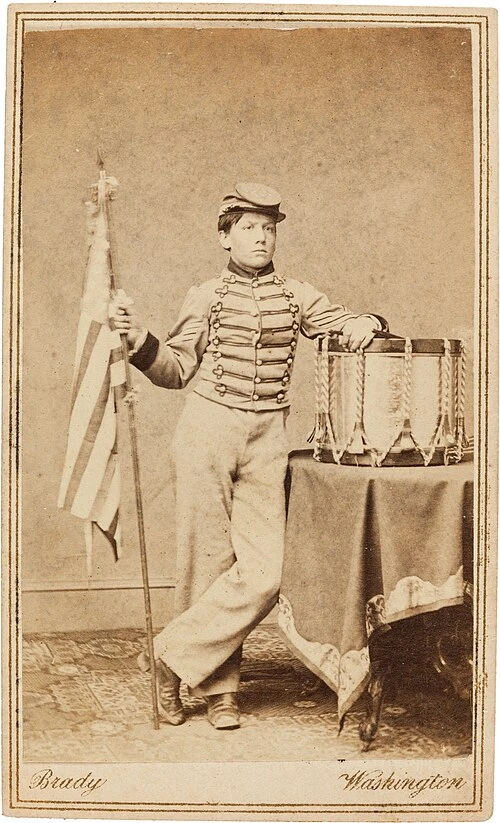
Robert H. Hendershot, remembered nationally as the “Drummer Boy of the Rappahannock”, is widely regarded as one of the youngest soldiers to serve in the Civil War. At just ten years and ten months old, he was officially mustered into the U.S. Army at West Point, Kentucky on October 30, 1861 — making him the youngest person ever mustered into the United States military.
Growing up in Jackson, Michigan, Hendershot spent his days around the camp of the 9th Michigan Infantry, the regiment that would later build Fort Duffield. Too small to enlist at first, he followed the soldiers anyway — marching beside them, beating rhythms on tin cans, and imitating the drills taught by the men of Captain Charles V. DeLand’s Company C.
The soldiers quickly adopted him as a mascot and helper. When the regiment moved to West Point in late 1861, Hendershot went with them, living among the men as they endured harsh winter conditions and constructed the massive earthwork fortification overlooking the Salt and Ohio Rivers.
Hendershot’s later fame came from his daring actions during the Battle of Fredericksburg, where he crossed the Rappahannock River under fire — an act that earned him national attention, newspaper coverage, and the enduring title that followed him for the rest of his life.
His story remains one of the most remarkable examples of youthful determination and wartime courage, and his early connection to the 9th Michigan Infantry ties him directly to the history of Fort Duffield.
Why These People Matter
The individuals highlighted on this page represent the many faces of the Civil War — soldiers, civilians, commanders, and patriots. Their lives and stories help us understand the complexity and humanity of this historical period.
Fort Duffield’s story is not only about earthworks and strategy — it is about the people who lived, fought, worked, and endured here. Their experiences form the heart of West Point’s Civil War legacy and continue to shape the community’s memory today.